
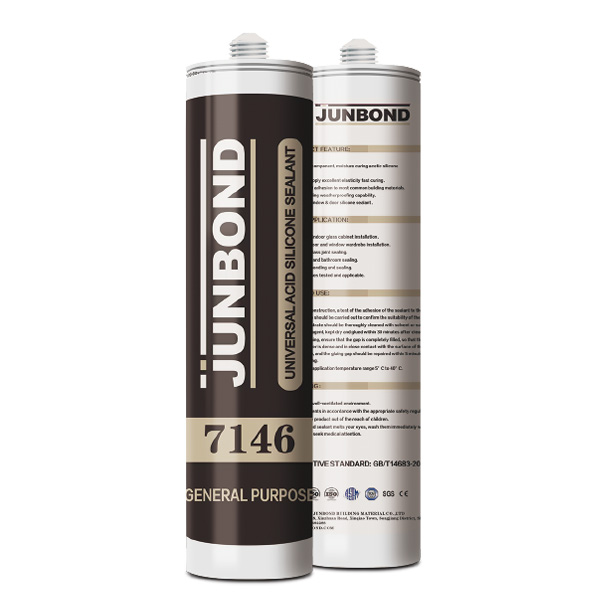
Neutral cure silicone sealant works best for aluminum, while acidic cure silicone sealant suits glass applications. The main difference lies in the curing process—acidic types release acetic acid, which can react with metals, while neutral cure types avoid this reaction. For glass, the Acid Glass aluminum Silicone Sealant, such as Junbond JB7146, provides excellent adhesion and flexibility. Choosing the correct sealant improves both durability and appearance. Many professionals trust Junbond for reliable results on glass and aluminum projects.
Acidic vs Neutral Cure: What’s the Difference?
Chemical Properties and Curing
Silicone sealants fall into two main categories: acidic cure and neutral cure. The difference starts at the chemical level. Acidic cure sealants, also called acetoxy silicones, release acetic acid as they cure. This process gives off a sharp, vinegar-like smell. Neutral cure sealants use alcohol or oxime as their curing agents, which results in a milder odor.
Tip: Always check the curing mechanism before choosing a sealant for your project. The by-products released during curing can affect both the safety and compatibility with building materials.
The table below highlights the main chemical differences:
| Type of Silicone Sealant | Curing Mechanism | Byproduct Released | Safety for Materials |
|---|---|---|---|
| Acidic Cure (Acetoxy) | Releases acetic acid | Acetic acid (corrosive) | Less safe for metals |
| Neutral Cure | Releases alcohol/oxime | Alcohol or oxime (gentle) | Safer for sensitive surfaces |
Acidic cure systems, such as those found in the Acid Glass aluminum Silicone Sealant, use acetoxysilanes that release acetic acid. This by-product can be corrosive to certain metals. Neutral cure systems use alkoxy or oxime cross-linkers, which produce neutral by-products. This difference makes neutral cure sealants safer for sensitive materials like aluminum.
Curing time also varies. Acidic cure silicones usually form a skin in 10–20 minutes and reach full cure in 24–48 hours. Neutral cure silicones take a bit longer, with a skin forming in 15–30 minutes and full cure in 48–72 hours. For projects that need a quick turnaround, acidic cure sealants like the Acid Glass aluminum Silicone Sealant offer faster results.
Application to Glass and Aluminum
The choice between acidic and neutral cure silicone sealants depends on the materials involved. Acidic cure sealants bond strongly to glass. They are often used in aquariums, display cases, and glass joints because they create a rigid, long-lasting seal. The Acid Glass aluminum Silicone Sealant, for example, provides excellent adhesion and flexibility for glass installations.
Neutral cure sealants work best with metals, including aluminum. They do not release corrosive by-products, so they prevent damage to sensitive surfaces. This makes them ideal for architectural projects where glass meets aluminum frames. Neutral cure sealants also bond well to tempered and coated glass without causing discoloration or damage.
Acidic cure silicone releases acetic acid, which can corrode metals like aluminum.
Neutral cure silicone releases alcohol or oxime, making it safer for both glass and metal.
Acidic cure sealants provide a strong, quick bond for glass.
Neutral cure sealants offer a broader adhesion profile and are suitable for both indoor and outdoor use.
Recent innovations in silicone sealant technology have improved performance and compatibility. Modern products, such as those from Junbond, offer enhanced weatherproofing, a variety of colors, and compliance with international standards. These features help maintain both the strength and appearance of glass and aluminum structures.
Note: For projects involving both glass and aluminum, professionals often choose a neutral cure silicone sealant to ensure long-term durability and prevent corrosion.
Junbond continues to lead the market with advanced solutions like the Acid Glass aluminum Silicone Sealant for glass and high-performance neutral cure options for aluminum. Selecting the right sealant ensures a strong, lasting bond and protects your investment.
Acid Glass Aluminum Silicone Sealant: When to Use It
Best Uses for Glass
Many professionals choose Acid Glass aluminum Silicone Sealant for glass projects because it forms a strong, flexible bond. Junbond JB7146 stands out as a reliable example of this type of sealant. It cures quickly and creates a durable seal that resists movement and vibration. This makes it ideal for glass installations that require both strength and flexibility.
Common applications for Acid Glass aluminum Silicone Sealant include:
Aquarium construction and repair, where waterproof bonds must withstand water pressure.
Architectural glazing and building facades, which demand energy efficiency and a clean look.
Transportation uses, such as sealing windows and windshields in vehicles and aircraft.
Retail display cases and refrigeration units, where clear visibility and condensation control matter.
Skylights, glass canopies, and roof systems, which need long-term weatherproofing.
Junbond JB7146 offers excellent adhesion to most building materials. It comes in several colors and sizes, making it suitable for many project types. Its quick-curing formula helps speed up installation, while its elasticity allows for movement without breaking the seal.
Limitations with Aluminum
Acid Glass aluminum Silicone Sealant works best on glass but is not recommended for direct use on aluminum. The acetic acid released during curing can react with aluminum surfaces. This reaction may cause corrosion over time. For this reason, experts suggest using a neutral cure silicone sealant for aluminum applications.
The table below highlights the weatherproofing features of Acid Glass aluminum Silicone Sealant:
| Feature | Description |
|---|---|
| Resistance to severe weather | Excellent resistance to harsh conditions |
| Weatherproofing capability | Outstanding protection against moisture |
| Adhesion to building materials | Bonds well to most common construction materials |
Junbond JB7146 provides reliable performance in both indoor and outdoor environments. Its weatherproofing abilities make it a top choice for glass projects exposed to the elements.
Neutral Cure Silicone Sealant for Aluminum
Advantages for Metal Surfaces
Neutral cure silicone sealants provide several benefits when used on aluminum surfaces. These sealants do not release corrosive by-products during curing. This feature protects aluminum from damage and ensures a longer lifespan for metal structures. Professionals often select neutral cure silicone sealants because they offer stable adhesion and maintain the integrity of the metal.
Neutral cure silicone sealants are non-corrosive, making them safer for aluminum compared to acidic alternatives.
They offer better compatibility with metals, ensuring stable adhesion without the risk of degradation.
Acidic cure sealants can cause corrosion on aluminum, which is a significant disadvantage.
Junbond neutral cure silicone sealants deliver reliable performance for aluminum projects. The sealant forms a strong bond and resists environmental stress. This quality makes it a preferred choice for architects and builders who want to protect metal surfaces and maintain structural strength.
Tip: Always use neutral cure silicone sealant for aluminum to prevent corrosion and achieve a durable finish.
Indoor and Outdoor Applications
Neutral cure silicone sealants work well in both indoor and outdoor environments. They remain flexible and resist cracking, shrinking, or chalking even after prolonged sun exposure. The UV-resistant properties make them ideal for outdoor projects where weather conditions can be harsh.
Common outdoor applications include sealing around windows and doors. Other uses are for curtain walls, skylights, gutters, and rooftop units. Indoors, neutral cure silicone sealants help seal aluminum frames, partitions, and fixtures. These products maintain their appearance and performance over time.
| Application Area | Typical Uses |
|---|---|
| Outdoor | Windows, doors, curtain walls, skylights, gutters, rooftop units |
| Indoor | Aluminum frames, partitions, fixtures |
Junbond neutral cure silicone sealants offer versatility for a wide range of aluminum applications. Builders trust Junbond products to deliver consistent results and protect their investment. The sealant’s flexibility and weatherproofing features ensure that aluminum surfaces stay strong and attractive year-round.
Side-by-Side Comparison
Performance on Glass
Acidic cure silicone sealants show excellent performance on glass surfaces. They create a strong, flexible bond that holds up under stress. Many professionals use these sealants for aquariums, glass facades, and display cases. Junbond JB7146 Acid Glass Aluminum Silicone Sealant stands out as a top choice for these applications. It cures quickly and provides a clear, neat finish. Neutral cure silicone sealants also bond to glass, but acidic types often deliver a firmer grip for pure glass-to-glass joints.
For glass projects that require clarity and strength, acidic cure sealants like Junbond JB7146 offer reliable results.
Performance on Aluminum
Neutral cure silicone sealants perform best on aluminum. They do not release corrosive by-products, so they protect the metal from damage. Over 40 years of research shows that neutral cure sealants keep their adhesion and flexibility on aluminum better than acidic types. The following table highlights the compatibility:
| Substrate | Acid-Type | Alkoxy-Type (Neutral) |
|---|---|---|
| Aluminum | ✗ | ✓ |
Junbond’s neutral cure silicone sealants help builders achieve long-lasting, weatherproof seals on aluminum frames, windows, and doors. Acidic sealants are not recommended for aluminum because they can cause corrosion.
Odor, Cure Time, and Durability
The two types of silicone sealants differ in several key features. The table below summarizes these differences:
| Feature | Acidic Silicone Sealant | Neutral Silicone Sealant |
|---|---|---|
| Curing Byproduct | Acetic Acid (vinegar smell) | Alcohol (low odor) |
| Corrosiveness | Yes | No |
| Best For | Glass, ceramics, tiles | Aluminum, stone, sensitive surfaces |
| Typical Shelf Life | 12 to 18 months | 18 to 24 months |
| Price Range (per tube) | $3–$8 | $6–$15 |
Acidic sealants cure faster and give off a strong smell. Neutral cure sealants have a milder odor and last longer in storage. For projects that involve both glass and aluminum, many experts choose neutral cure sealants for their safety and durability. Junbond offers both types, making it easy to select the right product for every job.
Choosing the Right Sealant
Project Scenarios
Selecting the right silicone sealant depends on the materials and the environment. The table below helps compare acidic and neutral cure silicone sealants for different project needs:
| Type of Sealant | Properties | Suitable Applications | Considerations |
|---|---|---|---|
| Acid-Cure Silicone | Releases acetic acid, cures faster, strong adhesion | Glass-on-glass, glazed tiles, non-porous surfaces | Avoid on metals and natural stones due to corrosion risk. |
| Neutral-Cure Silicone | Cures with alcohol or oxime, low odor, flexible, non-corrosive | Aluminum, sensitive materials, electronics, outdoor use | Cures slower, but safer for metals and flexible for movement. |
For glass installations like aquariums or display cases, acidic cure sealants such as Junbond JB7146 provide a strong, clear bond. For aluminum frames or mixed-material projects, neutral cure sealants from Junbond offer safety and durability.
Do’s and Don’ts
Many installers make simple mistakes when using silicone sealants. The following list highlights what to do and what to avoid:
·Prepare surfaces by cleaning and drying them before application.
·Choose the correct type of silicone for the material.
·Use masking tape for neat edges.
·Apply the right amount of sealant—avoid excess or gaps.
·Smooth the sealant for a clean finish.
·Allow full curing time before touching or stressing the joint.
Tip: Skipping these steps can lead to poor adhesion, messy results, or sealant failure.
Why Choose Junbond
Junbond stands out as a trusted brand for both glass and aluminum applications. The table below shows what makes Junbond silicone sealants a preferred choice:
| Feature | Benefit |
|---|---|
| Chemical Resistance | Withstands oils, solvents, acids, and alkalis for reliable performance. |
| Flexibility | Stretches up to 300%, handling movement and temperature changes. |
| Durability | Maintains strong seals under stress, reducing repairs. |
| Waterproofing | Blocks moisture, ideal for exposed areas. |
| UV Resistance | Resists sunlight, preventing cracks and yellowing. |
| Strong Adhesion | Bonds to many surfaces, improving structural integrity. |
| Versatility | Suitable for construction, aerospace, and more. |
| Compliance | Meets international safety and durability standards. |
| Safety and Reliability | Prevents leaks and failures, enhancing safety. |
| Sustainability | Long service life supports greener building practices. |
Junbond’s commitment to quality ensures that every project receives a reliable, long-lasting seal. Builders and homeowners trust Junbond for consistent results on both glass and aluminum.
Troubleshooting and Common Mistakes
Corrosion Issues
Many installers notice corrosion problems when using acidic cure silicone sealants on aluminum. These issues often appear as:
·Corrosion or pitting on aluminum surfaces after sealant application
·Discoloration, such as dark spots or fading, which signals damage to the metal
These problems occur because acidic cure sealants, especially acetoxy types, release acetic acid during curing. This acid can react with aluminum, leading to surface deterioration. To avoid these issues, professionals choose neutral cure silicone sealants for aluminum. Junbond offers reliable neutral cure options that help protect metal surfaces and maintain a clean appearance.
Sealant Failure Signs
Early signs of sealant failure can appear in both glass and aluminum installations. Adhesion failure shows up as gaps between the sealant and the surface, allowing water or air to leak through. Cohesive failure happens when the sealant tears but stays attached, which means the joint has been overstressed. Discoloration, such as yellowing or cloudiness, often points to chemical breakdown from UV exposure. Loss of flexibility is another warning sign. When the sealant becomes hard or brittle, it may crack during normal building movement.
Regular maintenance helps catch these problems early. Technicians often perform visual inspections, mock-up adhesion tests, and simple field checks to ensure the sealant continues to perform well.
Application Tips
1.Proper application ensures a long-lasting seal. The following steps help achieve the best results:
2.Clean surfaces with isopropyl alcohol and a lint-free cloth. Use two cloths to prevent redepositing dirt.
3.Apply a thin layer of silicone metal primer if needed, making sure the surface is dry.
4.Use masking tape to outline the joint for a neat finish. Remove the tape right after tooling.
Apply the sealant, making sure it contacts both surfaces fully. Tool the bead immediately and clean any smears before curing.
For safety and storage, Junbond recommends always cleaning and drying surfaces before use. Store cartridges upright in a cool, dry place. Ensure good ventilation during application, and wear gloves to protect your skin. These steps help extend the shelf life and performance of Junbond silicone sealants.
Choosing the right Junbond product and following these best practices helps prevent common mistakes and ensures a durable, attractive seal on both glass and aluminum.
Acidic cure silicone sealants suit glass, while neutral cure types protect aluminum. Choosing the right sealant improves durability and appearance. The table below shows key performance factors for glass and aluminum installations:
| Performance Factor | Importance |
|---|---|
| Water Resistance | Prevents leaks and protects structure |
| Air Barrier Maintenance | Reduces energy loss and condensation |
| Movement Capability | Maintains integrity during temperature changes |
| UV Resistance | Keeps elasticity and appearance |
| Material Compatibility | Ensures strong bonding and prevents failures |
Ensures strong bonding and prevents failures
Junbond JB7146 works well for glass. Junbond neutral cure sealant protects aluminum. Select the best Junbond sealant for your next project to achieve lasting results.
FAQ
What is the main difference between acidic and neutral cure silicone sealants?
Acidic cure sealants release acetic acid during curing. Neutral cure sealants release alcohol or oxime. Acidic types bond well to glass. Neutral types protect metals like aluminum from corrosion.
Can I use Junbond JB7146 Acid Glass Aluminum Silicone Sealant on aluminum?
Junbond JB7146 works best for glass. Acidic cure sealants may cause corrosion on aluminum. For aluminum surfaces, Junbond recommends using a neutral cure silicone sealant.
How long does it take for Junbond silicone sealants to cure?
Most Junbond acidic cure sealants form a skin in 10–20 minutes and fully cure in 24–48 hours. Neutral cure sealants form a skin in 15–30 minutes and fully cure in 48–72 hours.
Are Junbond silicone sealants weatherproof?
Junbond silicone sealants provide excellent weatherproofing. They resist moisture, UV rays, and temperature changes. Builders trust Junbond for both indoor and outdoor projects.
Which Junbond product should I choose for glass and aluminum?
For glass, select Junbond JB7146 Acid Glass Aluminum Silicone Sealant. For aluminum, choose a Junbond neutral cure silicone sealant. Both products deliver strong adhesion and long-lasting protection.
Post time: Mar-16-2026