
Professionals often select acetoxy silicone sealants for glass because these products deliver strong adhesion, weather resistance, and thermal stability. Both acetoxy and neutral silicone sealants offer unique benefits and limitations for glass surfaces. Junbond JB7132 stands out as a Glass Acetoxy Silicone Sealant, recommended for general and large plate glass applications due to its versatility and cost-effectiveness.
What Are Acetoxy and Neutral Silicone Sealants
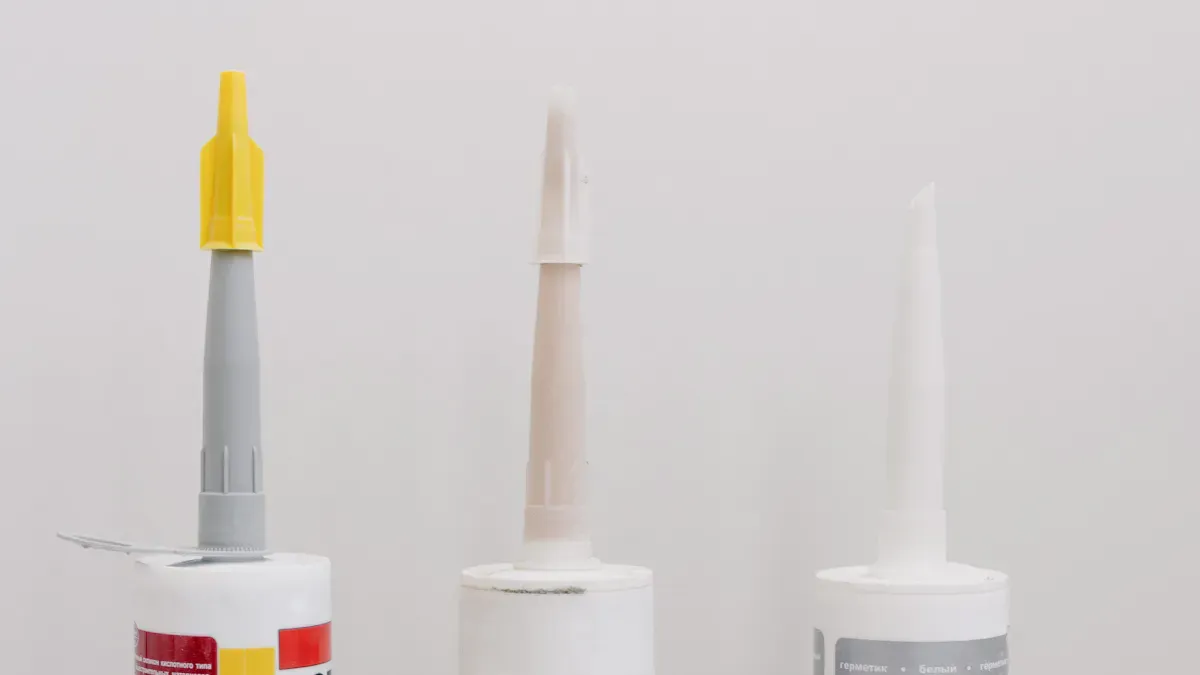
Acetoxy Silicone Sealant Basics
Acetoxy silicone sealants have become popular for glass sealing projects. These sealants cure by releasing acetic acid, which produces a vinegar-like smell. The curing process happens quickly, making acetoxy sealants ideal for jobs that require fast results. Many professionals choose acetoxy silicone for its strong adhesion to glass surfaces and rapid curing time.
Acetoxy silicone sealants cure by releasing acetic acid, which can lead to compatibility issues with glass, such as etching and chemical fogging.
The main chemical difference lies in the curing mechanism. Acetoxy sealants release acetic acid, which can corrode metals like copper, brass, and zinc. This property makes acetoxy silicone less suitable for projects involving sensitive metals. However, acetoxy sealants work well for glass-on-glass applications and are widely used for sealing glass panels and windows.
| Advantages | Disadvantages |
|---|---|
| Rapid curing time | Acidic curing process can cause corrosion |
| Strong adhesion to glass surfaces | Not suitable for certain plastics and metals |
| Popular for sealing glass panels and windows | Requires compatibility check with materials used |
Junbond JB7132 Glass Acetoxy Silicone Sealant stands out for its versatility and cost-effectiveness. It offers excellent performance for general and large plate glass applications.
Neutral Silicone Sealant Basics
Neutral silicone sealants use a different curing mechanism. They do not release acetic acid, so they avoid the risk of corrosion. Instead, neutral sealants produce alcohol as a by-product, which is benign and safe for most materials. This makes neutral silicone sealants suitable for a wider range of substrates, including metals and natural stones.
·Neutral silicone sealants do not release acetic acid during curing, making them non-corrosive.
·They adhere well to non-porous surfaces like glass, ceramics, and metals.
·Organic silicone provides flexibility and durability on glass surfaces.
| Type of Sealant | Curing Mechanism | By-Product Released | Material Compatibility |
|---|---|---|---|
| Acetoxy | Releases acetic acid | Acetic acid | Can corrode sensitive metals (copper, brass) |
| Neutral | Produces alcohol | Alcohol | Adheres well to glass, ceramics, metals |
Neutral silicone sealants offer superior weather resistance, high elasticity, and waterproof properties. They resist mold and provide excellent adhesion, but they take longer to cure and may cost more.
| Advantages | Disadvantages |
|---|---|
| Superior weather resistance | Limited surface adhesion |
| High elasticity | Long curing time |
| Waterproof | Not oil/solvent-resistant |
| Excellent adhesion | Higher cost |
| Mold-resistant |
Choosing between acetoxy and neutral silicone depends on the materials involved and the project requirements. For glass sealing, Junbond JB7132 Glass Acetoxy Silicone Sealant remains a reliable choice for general and large plate glass applications.
Glass Acetoxy Silicone Sealant Features
Clarity and Adhesion
Glass acetoxy silicone sealant creates a clear, strong bond that professionals rely on for glass projects. Junbond JB7132 offers excellent clarity, making it ideal for applications where appearance matters. The sealant adheres firmly to glass, aluminum, painted surfaces, ceramics, and fiberglass. This strong adhesion prevents leaks and ensures a secure fit. Many builders use JB7132 for glass curtain walls, windows, and doors because it maintains transparency and does not yellow over time.
Junbond JB7132 stands out for its versatility. It works well with glass, aluminum, and other common building materials, making it a top choice for both industrial and home projects.
Curing and Application
The application process for glass acetoxy silicone sealant is straightforward. JB7132 features non-sagging properties, which help users achieve clean lines and smooth finishes. The sealant cures quickly, usually within 24 to 48 hours under standard conditions. This rapid curing allows projects to progress without long delays. Acetoxy silicone sealants emit acetic acid during curing, so users should avoid applying them to sensitive metals. JB7132 performs best in temperatures from 5 to 45°C, making it suitable for most environments.
·Quick curing time: 24–48 hours
·Easy to tool and apply
·Best for glass-on-glass and glass-to-aluminum joints
Durability and Weather Resistance
Durability is a key feature of glass acetoxy silicone sealant. JB7132 resists hardening and cracking, maintaining flexibility for years. The sealant withstands extreme temperatures, from -50 to 150°C, and offers strong resistance to UV rays and hydrolysis. In harsh outdoor environments, acetoxy silicone sealants may last between 10 to 15 years, depending on exposure to sunlight and heat. JB7132 provides reliable performance for both indoor and outdoor glass sealing tasks.
| Feature | Junbond JB7132 Benefit |
|---|---|
| Temperature tolerance | -50°C to 150°C |
| Weather durability | UV and hydrolysis resistant |
| Shelf life | 12 months |
| Packaging options | Cartridges and drums |
Junbond JB7132 delivers cost-effective, long-lasting results for glass, aluminum, and other materials. Its compatibility with neutral silicone sealants and structural systems makes it a flexible solution for many sealing needs.
Acetoxy vs Neutral: Key Differences
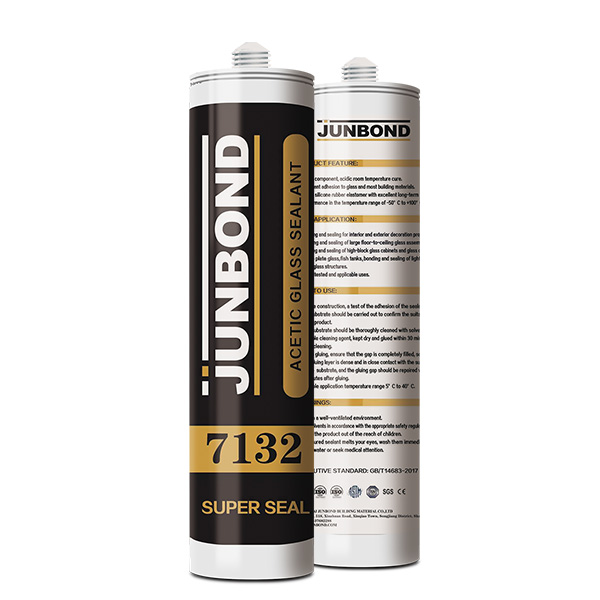
Choosing between acetoxy and neutral silicone sealants for glass projects requires a clear understanding of their unique properties. Each type offers advantages and limitations that affect performance, safety, and long-term value.
Adhesion and Compatibility
Adhesion plays a crucial role in the effectiveness of any sealant. Acetoxy silicone sealants bond strongly to non-porous surfaces such as glass, ceramics, and aluminum. This makes them a popular choice for many glazing and window applications. However, acetoxy sealants can corrode sensitive metals like copper, brass, and zinc. They may also cause staining on natural stones and affect certain coatings.
Neutral silicone sealants provide broad compatibility. They adhere well to glass, metals, plastics, and even natural stone without causing corrosion or discoloration. This versatility makes neutral silicones suitable for projects involving mixed materials or sensitive substrates.
| Feature | Acetoxy Silicone Sealant | Neutral Silicone Sealant |
|---|---|---|
| Material Compatibility | Excellent for glass, not for sensitive metals | Safe for metals, stone, and most surfaces |
| Adhesion | Strong on non-porous surfaces | Strong on a wide range of materials |
| Coating Compatibility | May affect some coatings | Broad compatibility |
Junbond JB7132 Glass Acetoxy Silicone Sealant demonstrates excellent adhesion to glass and aluminum, making it a reliable choice for most glazing projects.
Curing Time and Odor
Curing speed often determines how quickly a project can move forward. Acetoxy silicone sealants cure faster than neutral silicones. The outer layer of an acetoxy sealant can set within 24 hours, while full curing may take up to three or four days for thicker applications. This rapid cure benefits time-sensitive jobs, such as sealing windows or doors before weather changes.
Neutral silicone sealants cure more slowly, which allows for longer working times and adjustments. This slower process is safer for sensitive materials but may require more patience.
Odor is another important factor. Acetoxy sealants release a strong vinegar-like smell due to acetic acid. Good ventilation is necessary during application, especially indoors. Neutral silicones produce little to no odor, making them more comfortable for indoor use and occupied spaces.
·Acetoxy silicone sealants: Fast curing, strong vinegar-like odor, needs ventilation.
·Neutral silicone sealants: Slower curing, minimal odor, suitable for sensitive environments.
Corrosion and Safety
Corrosion risk separates these two sealant types. Acetoxy silicone can corrode metals such as copper, brass, and zinc. It may also etch or stain natural stones like marble and limestone. For projects involving only glass or compatible materials, acetoxy sealants perform well. However, caution is necessary when metals or sensitive surfaces are present.
Neutral silicone sealants do not release corrosive byproducts. They remain safe for all common building materials, including metals and stone. This non-corrosive nature makes neutral silicones the preferred choice for long-term durability and safety.
Safety measures should always include proper ventilation, use of gloves and eye protection, and keeping children and pets away during application. These steps help ensure a safe working environment for both acetoxy and neutral silicone sealants.
| Issue Type | Acetoxy Silicone | Neutral Silicone |
|---|---|---|
| Corrosion | Corrodes metals like copper, brass, zinc | No corrosion risk |
| Damage to Sensitive Stone | Can etch or stain marble, limestone | Stone-safe formulations available |
| Odor | Strong vinegar-like smell | Minimal odor |
Cost and Value
Cost and long-term value influence the final decision. Acetoxy silicone sealants usually cost less and offer fast results, making them attractive for basic weatherproofing and temporary repairs. However, their acidic nature may lead to more frequent maintenance or replacement, especially if used on incompatible materials.
Neutral silicone sealants often have a higher initial price. Their broad compatibility, non-corrosive properties, and superior weather resistance provide greater reliability over time. Fewer repairs and replacements mean better value for critical applications, such as window and door sealing.
| Feature | Acetoxy Silicone Sealant | Neutral Silicone Sealant |
|---|---|---|
| Cure Time | Faster curing, less working time | Slower curing, more working time |
| Odor | Strong vinegar smell | Low odor |
| Corrosiveness | Potentially corrosive to metals | Non-corrosive to metals |
| Long-term Reliability | More frequent maintenance needed | More reliable, fewer issues |
| Cost | Lower upfront cost | Higher upfront cost, better long-term value |
Acetoxy vs Neutral: Performance Summary Table
| Feature | Acetoxy Silicone Sealant | Neutral Silicone Sealant |
|---|---|---|
| Curing Mechanism | Acetic acid (fast cure, strong odor) | Alcohol (slower cure, low odor) |
| Adhesion | Excellent on glass, ceramics, aluminum | Excellent on glass, metals, plastics, stone |
| Corrosion Risk | Can corrode metals, stain stone | No corrosion risk |
| Weather Resistance | Good, but less than neutral | Superior UV and weather resistance |
| Cost | Lower | Higher |
| Best Use | Glass-only, indoor, quick repairs | Mixed materials, outdoor, long-term projects |
Tip: For general glass sealing, Junbond JB7132 Glass Acetoxy Silicone Sealant provides strong adhesion, fast curing, and cost-effective performance. For projects involving metals or sensitive materials, neutral silicone sealants offer the safest and most durable solution.
Choosing the Right Sealant for Glass
Indoor vs Outdoor Use
Selecting the right silicone sealant depends on the environment. Indoor projects often require a sealant with minimal odor and safe curing properties. Neutral silicone sealants work well for indoor spaces because they produce little smell and avoid corrosion. Outdoor projects demand durability and weather resistance. Junbond JB7132 performs reliably outdoors, resisting UV rays and hydrolysis. Its wide temperature tolerance ensures strong bonds in both hot and cold conditions. Builders use JB7132 for sealing glass curtain walls, windows, and doors exposed to harsh weather.
Project Type and Material Sensitivity
Project type and material sensitivity guide sealant selection. Clean, dry surfaces improve adhesion. Glass and shiny ceramics bond well with silicone sealants. Metals like aluminum and steel also show compatibility. Some materials, such as natural stone, may stain if exposed to acidic sealants. Neutral silicone sealants suit sensitive substrates. For general glass installations, Glass Acetoxy Silicone Sealant offers excellent adhesion and fast curing. Slippery materials like polyethylene require special preparation or different sealants. Porous materials may need a primer for better bonding.
| Key Considerations | Details |
|---|---|
| Surface Preparation | Clean, dry surfaces are essential; remove oil, dirt, and old sealant for best adhesion. |
| Material Compatibility | Glass, ceramics, aluminum, and steel bond well with silicone sealants. |
| Problem Materials | Natural stones may stain; use neutral silicone for sensitive materials. |
Why Choose Junbond for Glass
Junbond JB7132 stands out for general and large plate glass sealing. It adheres well to most building materials, including glass and aluminum. The sealant resists UV rays and hydrolysis, maintaining performance in outdoor environments. JB7132 functions effectively between -50 to 150°C. Its non-sagging properties help maintain shape and form during application. Compatibility with other neutrally cured silicone sealants adds flexibility for complex projects. Junbond JB7132 provides a cost-effective solution for builders and homeowners. For glass installations, JB7132 delivers reliable results and long-lasting bonds.
Tip: Choose Junbond JB7132 for general glass sealing and large plate glass projects. Use neutral silicone sealants for sensitive materials or indoor spaces where odor and corrosion risk must be minimized.
Common Glass Sealing Issues
Preventing Corrosion and Staining
Corrosion and staining often trouble builders during glass sealing projects. Acetoxy silicone sealants can cause corrosion on metals like copper and brass. Neutral silicone sealants avoid this issue. To prevent staining, workers must clean surfaces thoroughly before applying sealant. They should avoid using acetoxy silicone on natural stones such as marble. Junbond JB7132 Glass Acetoxy Silicone Sealant works well for glass and aluminum, reducing the risk of corrosion when used correctly.
Tip: Always check material compatibility before sealing. Use neutral silicone for sensitive surfaces. Choose Junbond JB7132 for glass and aluminum to achieve clear, durable results.
Ensuring Strong Bonds
Strong bonds keep glass panels secure and prevent leaks. Workers must prepare surfaces by removing dust, oil, and old sealant. They should apply the silicone evenly and avoid gaps. Junbond JB7132 offers excellent adhesion to glass, aluminum, and painted surfaces. Its non-sagging properties help maintain shape during application. Builders often select JB7132 for large plate glass installations because it creates reliable, flexible joints.
Checklist for Strong Bonds:
·Clean and dry surfaces
·Apply sealant evenly
·Use proper tooling for smooth finish
·Allow full curing time
Troubleshooting Curing Problems
Curing problems can delay projects and weaken seals. Acetoxy silicone sealants cure quickly, but low temperatures or high humidity may slow the process. Neutral silicone sealants take longer to cure. Workers should follow manufacturer guidelines for temperature and humidity. If the sealant remains tacky, they should check for contamination or improper mixing. Junbond JB7132 cures well between 5°C and 45°C, making it suitable for most environments.
| Problem | Cause | Solution |
|---|---|---|
| Slow curing | Low temperature | Increase room temperature |
| Sticky surface | Contamination | Clean surface before application |
| Uneven finish | Poor tooling | Use proper tools |
Note: Junbond JB7132 provides reliable curing and strong bonds when applied under recommended conditions. For best results, follow all instructions and store sealant properly.
Glass Acetoxy Silicone Sealant offers strong adhesion and fast curing for glass projects. Neutral silicone sealants suit sensitive materials and indoor spaces. Junbond JB7132 provides reliable performance for general and large plate glass sealing.
·Choose acetoxy for glass and aluminum.
·Select neutral silicone for metals or stone.
Junbond JB7132 stands out as a trusted solution for durable glass sealing.
FAQ
What makes Junbond JB7132 suitable for glass sealing?
Junbond JB7132 offers strong adhesion, clear finish, and excellent weather resistance. Builders use it for glass curtain walls, windows, and doors. Its versatility and cost-effectiveness make it a preferred choice for both industrial and home projects.
Can acetoxy silicone sealant be used on metals?
Acetoxy silicone sealant may corrode sensitive metals like copper and brass. For metal surfaces, neutral silicone sealant provides safer compatibility. Always check material compatibility before application.
How long does Junbond JB7132 take to cure?
Junbond JB7132 cures quickly. Most applications set within 24 to 48 hours under standard conditions. Full curing may take several days for thicker layers. Proper temperature and humidity help ensure optimal results.
Is neutral silicone sealant better for indoor projects?
Neutral silicone sealant produces minimal odor and avoids corrosion. It works well for indoor spaces and sensitive materials. Many professionals choose neutral silicone for kitchens, bathrooms, and areas with natural stone.
What packaging options does Junbond JB7132 offer?
Junbond JB7132 comes in cartridges (260ml, 280ml, 300ml) and drums (185KG, 200L). Multiple color choices are available, including transparent, black, grey, and white. Custom colors can be requested for specific project needs.
Post time: Mar-30-2026