
Applying Polyurethane Automotive Sealant requires cleaning the surface, selecting the right tools, and following each application step closely. Junbond JB20 stands out for its quality and easy use. With careful preparation and attention to detail, anyone can achieve a professional, long-lasting seal.
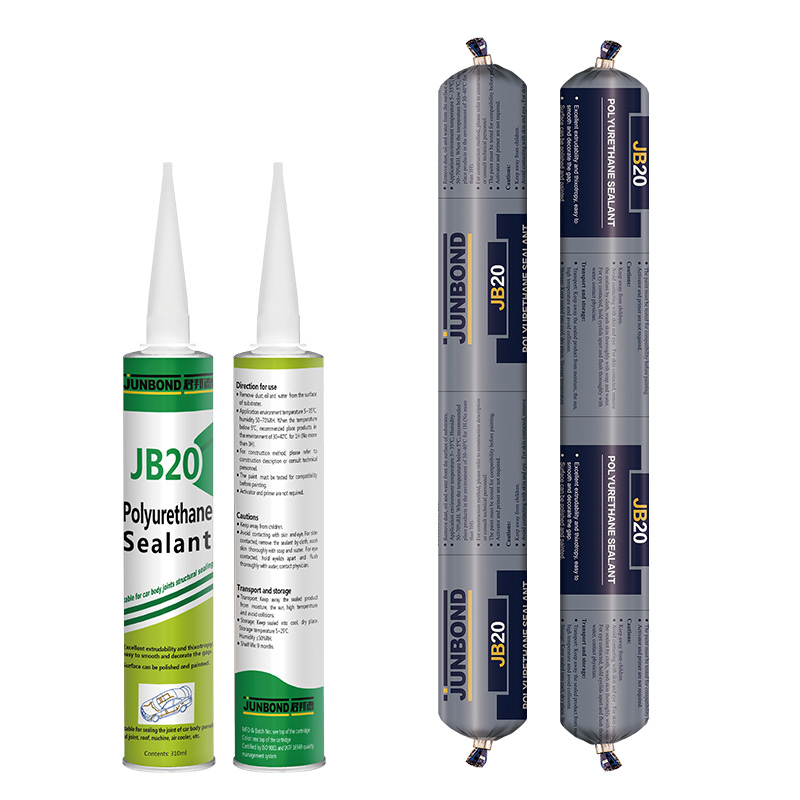
Understanding Polyurethane Automotive Sealant
What Is Polyurethane Automotive Sealant
Polyurethane automotive sealant plays a vital role in vehicle assembly and repair. This material forms strong and durable bonds that help protect and enhance the performance of automobiles. Manufacturers use polyurethane automotive sealant to create lighter parts, which improves fuel efficiency and handling. The sealant also provides excellent impact and abrasion resistance, making it a reliable choice for demanding automotive environments. Many experts consider polyurethane automotive sealant essential for building top-performing vehicles.
Key Features of Junbond JB20
Junbond JB20 stands out as a leading polyurethane automotive sealant. This product offers a non-corrosive formula that does not damage metal, glass, or painted surfaces. It is environmentally friendly and meets strict industry standards, including ISO9001, ISO14001, and ISO45001 certifications.
Junbond JB20 operates effectively in temperatures from -40°C to 90°C, making it suitable for a wide range of climates. Its thixotropic properties prevent sagging during application, ensuring a smooth and professional finish. The sealant’s high viscosity allows for easy use on vertical and overhead surfaces.
| Feature | Junbond JB20 Highlights |
|---|---|
| Application Range | -40°C to 90°C |
| Environmental Impact | Non-corrosive, eco-friendly |
| Certifications | ISO9001, ISO14001, ISO45001 |
| Appearance | Smooth, fine, professional finish |
Common Uses and Benefits
Automotive professionals rely on polyurethane automotive sealant for many applications. They use it to seal windshields, side glass, and body panels. The sealant creates a durable protective layer that resists scratches, UV rays, and chemical stains. It also provides water resistance, which helps prevent rust and reduces maintenance costs over time.
·Strong adhesion keeps glass and panels secure during impacts.
·Weatherproofing maintains a dry interior and protects against debris.
·Flexibility absorbs vibrations, preserving the integrity of the seal.
·Long-lasting performance supports vehicle longevity and comfort.
Junbond JB20 remains a preferred choice for those seeking reliability, durability, and ease of use in automotive sealing projects.
Surface Preparation and Step-by-Step Application
Tools and Materials Needed
Automotive professionals rely on the right tools and materials to achieve a flawless polyurethane sealant application. The following items help ensure a smooth and efficient process:
·600ml Polyurethane Sealant (such as Junbond JB20)
·Caulking gun
·Utility knife
·Painter’s tape
·Clean rags
·Denatured alcohol or acetone
·Safety gloves
·Safety goggles
These tools and materials support proper surface preparation and help users apply sealant effectively. Using the correct equipment also reduces the risk of errors during the sealant application process.
Surface Preparation for Best Adhesion
Surface preparation is the foundation of a successful sealant job. Clean and dry surfaces allow the sealant to bond strongly and provide long-lasting protection. The table below outlines essential requirements for surface preparation:
| Requirement | Description |
|---|---|
| Clean and Dry Surfaces | Surfaces must be free from grease, mold release, oil, water, and other contaminants. |
| Surface Preparation | Abrading with 180 to 220 grit abrasive followed by a solvent wipe is recommended. |
| Suitable Solvents | Recommended solvents include 3M Adhesive Remover or methyl ethyl ketone (MEK). |
To prep the car surface, remove all dust, oil, and old sealant. Wipe the area with a clean rag and a suitable solvent. Allow the surface to dry completely before moving to the next step. Proper surface preparation ensures the polyurethane sealant forms a strong, waterproof bond.
How to Apply Polyurethane Sealant: Step-by-Step Application
A step-by-step application process helps users achieve professional results. The following step-by-step guide explains how to apply polyurethane sealant for best results:
1.Prepare the cartridge by cutting the tip at a 45-degree angle and piercing the inner seal.
2.Load the cartridge into the caulking gun and test the flow on a scrap piece.
3.Apply the sealant with consistent pressure at a 45-degree angle, moving in one direction.
4.Tool the joint within 5-10 minutes to ensure proper contact and a smooth finish.
5.Remove masking tape carefully while the sealant is still wet.
This step-by-step application method works well for metal, glass, and painted surfaces. Junbond JB20 comes in various packaging options, making it easy to choose the right size for any project. These techniques help users apply car paint sealant and other coatings with enhanced gloss and durability.
Smoothing and Finishing for Professional Results
Smoothing the bead is a key part of the sealant application process. Professionals use several techniques to achieve a flawless finish:
Use a roller for fast and even application, which avoids brushstrokes and puddles.
·Maintain a clean work area to minimize dust that can mar the finish.
·Wipe down surfaces with a tack cloth before applying the sealant.
·Lightly sand between coats to smooth the surface and eliminate imperfections.
·For intricate areas, use a wipe-on polyurethane for better control.
These techniques create a smooth, even bead and an enhanced gloss. Tooling the joint within a few minutes after application helps the sealant bond well and look professional.
Environmental Factors and Protection
Environmental conditions play a major role in how to apply sealant effectively. The ideal application temperature ranges from 60°F to 80°F (15°C to 27°C). Surfaces must be clean and completely dry before starting. For high temperatures, apply during cooler parts of the day and shield the area from direct sunlight. In cold weather, store the sealant at room temperature before use. Humidity levels between 40% and 70% help the sealant cure properly. Higher temperatures speed up the cure, while low humidity can slow it down.
Tip: Always follow the manufacturer’s guidelines for temperature and humidity to ensure the best results and long-lasting protection.
Common Mistakes to Avoid
Mistakes during surface preparation and application can affect the performance and safety of the sealant. The most common errors include:
1.Improper Surface Preparation: Always clean and dry the area to enhance adhesion.
2.Insufficient Curing Time: Allow the sealant to cure fully for maximum strength and waterproof properties.
3.Not Checking for Compatibility: Make sure the sealant matches the materials to prevent adhesion failure.
4.Inconsistent Bead Width: Keep a steady hand and even pressure for a uniform bead.
5.Ignoring Clean-Up Procedures: Remove excess sealant for a clean, professional look.
6.Skipping Surface Preparation: Failing to prep the surface can lead to poor results.
7.Over-Application of Sealant: Too much sealant can create bulges and weak bonds.
8.Ignoring Curing Time: Rushing the process can compromise long-lasting protection.
Proper surface preparation and careful application technique help avoid these issues. These tips ensure the sealant provides reliable, long-lasting protection for vehicles.
Maintenance Tips for Longevity
Regular maintenance extends the life of polyurethane sealant and keeps vehicles waterproof. The following tips help maintain the sealant’s performance:
·Inspect sealed joints every 6–12 months, especially in high-stress or exposed areas.
·Clean the surface with mild soap and water to remove dirt and prevent degradation.
·Address small damages quickly to prevent further issues.
·Conduct regular inspections after seasonal changes to spot early signs of deterioration.
·Repair minor cracks or separation promptly and reapply sealant as needed.
These maintenance tips support long-lasting protection and keep the coating in top condition. Choosing the right sealant types, such as Junbond JB20, and following proper surface preparation and sealant application techniques, ensures the best results for any automotive project.
FAQ
How does polyurethane automotive sealant improve car protection?
Polyurethane automotive sealant creates a strong barrier on the car. This barrier blocks water, dirt, and chemicals. It helps maintain paint quality and extends car protection.
Can Junbond JB20 sealant be used on car paint and glass?
Junbond JB20 sealant works well on car paint and glass. It bonds tightly to both surfaces. This sealant provides lasting protection for every car.
How often should car owners reapply sealant for best protection?
Car owners should check the sealant every six months. Reapply the sealant if cracks or wear appear. Regular use keeps car paint and protection strong.
Post time: Mar-02-2026