
Unchecked water leaks present a significant financial threat to property owners. The scale of this issue is substantial, highlighting the need for effective prevention.
Insurers pay out over $10 billion annually for water-related losses. These costs now exceed the combined claims for both fire and theft.
A user can prevent costly damage with a simple, three-step method. First, one must thoroughly clean and dry the target surface to remove all contaminants. Next, applying a continuous bead of Weatherproof Silicone Sealant into the joint is crucial. Finally, tooling the bead creates a smooth, professional finish that ensures a durable seal.
Why Choose JB9701 for Leak Prevention?
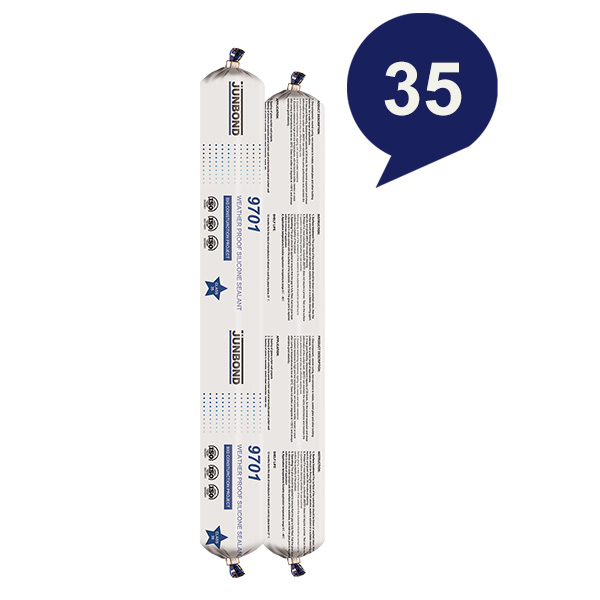
Selecting the right sealant is critical for effective and long-lasting leak prevention. Junbond JB9701 Advanced Weatherproof Silicone Sealant offers a professional-grade solution. Its advanced formulation provides reliable protection for a wide range of applications, making it a premier choice for both contractors and property owners. The sealant’s unique properties ensure that joints and cracks remain secure against environmental challenges.
Superior Waterproofing and Durability
JB9701 creates a robust, waterproof barrier upon curing. This one-component sealant reacts with atmospheric moisture to form a durable yet flexible seal. Its design ensures long-term performance against water intrusion. The material’s resilience is a key factor in its effectiveness. After a full cure, the sealant maintains its integrity across a wide temperature spectrum.
It performs reliably in extreme conditions, with a temperature resistance ranging from -50℃ to 150℃. This prevents the seal from becoming brittle in the cold or degrading in the heat.
Exceptional Flexibility and Adhesion
Buildings naturally expand, contract, and shift. JB9701 accommodates this movement with an impressive displacement capacity of 35 levels. This flexibility allows it to maintain a tight seal in joints that experience shear deformation, preventing cracks from forming. Furthermore, its neutral-cure formula provides excellent adhesion. It bonds securely to many common building materials, including coated glass, metal, concrete, and plastics, without causing corrosion.
Excellent UV and Weather Resistance
Exposure to the elements can quickly break down inferior sealants. JB9701 is engineered for outstanding resistance to weathering. It effectively withstands damage from UV radiation, ozone, and harsh weather conditions. This resilience ensures the seal does not harden, crack, or lose its protective qualities over time. Its ability to resist environmental stressors makes it an ideal solution for exterior applications like roofing, windows, and curtain wall systems, guaranteeing a lasting defense against leaks.
Non-Corrosive Neutral Cure Formula
The chemical composition of a sealant is a critical factor for its application. Many sealants use an acid-cure system, which releases acetic acid (similar to vinegar) during the curing process. This acid can corrode sensitive metals and damage alkaline surfaces like concrete and masonry. Junbond JB9701, however, utilizes an advanced neutral cure formula. This system releases a neutral, non-acidic byproduct as it cures, making it safe for a much wider range of building materials. This formulation prevents chemical damage and ensures the long-term integrity of the substrates.
This non-corrosive nature makes the JB9701 Weatherproof Silicone Sealant exceptionally versatile. It eliminates the risk of unsightly staining or structural degradation on sensitive surfaces. Users can confidently apply it to various materials without concern for adverse chemical reactions. The sealant is specifically engineered for excellent compatibility with many common construction substrates.
·Compatible Materials: General metals and coated glass.
·Incompatible Materials: Copper and zinc metal.
Pro Tip: While JB9701 is non-corrosive to most materials, always perform a small adhesion and compatibility test on a discreet area before full-scale application, especially on unique or coated surfaces.
The neutral cure property is essential for modern construction, where diverse materials like aluminum composite panels, coated glass, and plastics are used together. Choosing a non-corrosive sealant protects the aesthetic finish and structural soundness of the building envelope. This feature ensures that the seal itself does not become a point of failure by weakening the materials it is meant to protect, providing a truly reliable and professional sealing solution.
How to Apply JB9701 Weatherproof Silicone Sealant
Proper application is fundamental to achieving a durable, leak-proof seal. Following a systematic process ensures that the Junbond JB9701 Weatherproof Silicone Sealant performs to its maximum potential. The method involves three critical stages: preparing the surface, applying the sealant, and tooling the bead for a professional finish. Each step contributes to the overall integrity and longevity of the seal.
Step 1: Surface Preparation
A successful seal begins with a meticulously prepared surface. The substrate must be completely clean, dry, and free of any contaminants that could interfere with adhesion.
1.Clean the Surface: The user should remove all dirt, dust, grease, oil, and old sealant from the joint or crack. A wire brush can dislodge loose debris, while a solvent like isopropyl alcohol is effective for removing oils and residues from non-porous surfaces.
2.Ensure the Surface is Dry: Any moisture present on the surface will prevent the sealant from curing correctly and bonding to the substrate. One must allow the area to air dry completely or use a clean, lint-free cloth to wipe it dry.
3.Improve Adhesion on Specific Materials: For certain substrates, additional preparation enhances the bond. On plastics like PVC or on treated wood, roughening the surface with a file or coarse sandpaper creates a better profile for the sealant to grip. A primer is not typically required with JB9701, as its advanced formula is engineered for excellent adhesion across many materials.
4.Mask Adjacent Areas: To achieve clean, sharp sealant lines, one can apply painter’s tape to the areas bordering the joint. This step simplifies cleanup and results in a more professional appearance.
Pro Tip: Before application, ensure the surface temperature is within the recommended range. Applying sealant to an extremely hot or cold surface can affect its curing process and final performance.
Step 2: Sealant Application
With the surface prepared, the next stage is the precise application of the sealant. This step requires a steady hand and the correct technique to ensure the joint is completely filled.
1.Prepare the Cartridge: An individual should trim the nozzle of the JB9701 cartridge at a 45-degree angle. The opening should be cut to a size slightly larger than the gap being sealed. This allows for complete filling of the joint.
2.Load the Caulking Gun: The cartridge is then placed into a standard caulking gun. A gentle squeeze of the trigger will confirm that the sealant is ready to flow.
3.Apply a Continuous Bead: The user must apply the sealant with steady, consistent pressure. The nozzle should be held at a 45-degree angle to the joint, pushing the bead of sealant ahead of the nozzle. This technique forces the sealant deep into the crack, eliminating air pockets and ensuring full contact with both sides of the joint. A single, continuous bead is crucial for a seamless, waterproof barrier.
Step 3: Tooling for a Professional Finish
Tooling is the final, critical step in the application process. It involves shaping the sealant bead to create a smooth, concave profile that is both aesthetically pleasing and functionally effective. This action presses the sealant firmly against the substrates, guaranteeing a complete and durable bond.
1.Choose the Right Tool: A variety of items can serve as tooling instruments, including a dedicated sealant tooling spatula, a wetted finger, or the back of a spoon. The goal is to use something that can create a smooth, uniform surface.
2.Shape the Bead: Immediately after application, one should lightly drag the tool along the length of the sealant bead. This should be done in a single, continuous motion to avoid creating stop-and-start marks. The process smooths the surface and removes any excess sealant.
3.Remove the Painter’s Tape: If painter’s tape was used, it should be removed immediately after tooling is complete. Pulling the tape away from the joint at a 45-degree angle will leave a clean, sharp edge. Waiting for the Weatherproof Silicone Sealant to cure will make tape removal difficult and may damage the seal.
Once tooled, the sealant is left to cure as per the product instructions, forming a flexible, resilient, and watertight seal.
Step 4: Curing
Curing is the final and most important phase in the application process. This chemical transformation converts the applied sealant from a paste into a solid, resilient rubber. Junbond JB9701 utilizes a neutral-cure mechanism, reacting with moisture present in the atmosphere to achieve its final, durable state. This process begins immediately after the sealant is exposed to air.
The initial stage of curing is known as the tack-free time. This is the period required for the surface of the sealant to form a “skin,” making it no longer sticky to the touch. This initial cure prevents dust and debris from embedding into the surface. The JB9701 sealant achieves this state rapidly under standard conditions.
| Property | Unit | Value |
|---|---|---|
| Tack-free time | min | 30 |
Note: The 30-minute tack-free time is based on standard room temperature (23°C) and 50% relative humidity. Curing times can vary based on environmental conditions.
While the surface may feel dry, the sealant continues to cure inward from the exposed surface. Several factors influence the overall speed of a full cure:
·Humidity: Higher relative humidity provides more moisture for the chemical reaction, accelerating the curing process. Curing will be slower in very dry climates.
·Temperature: Warmer ambient temperatures generally speed up the cure rate. Conversely, application in colder weather will extend the time needed for a full cure.
·Bead Size: The thickness of the sealant bead directly impacts cure time. A standard bead may cure fully in 24-48 hours, but deeper or wider joints require more time for atmospheric moisture to penetrate to the center of the sealant.
A user must allow the Weatherproof Silicone Sealant to cure completely without disturbance. Exposing the joint to water, stress, or movement before it has fully hardened can compromise the seal’s integrity and long-term performance. Once fully cured, the sealant forms a permanent, flexible, and waterproof bond, ready to protect the structure from the elements.
Common Applications for Sealing Leaks
The versatility of Junbond JB9701 makes it an indispensable tool for numerous sealing tasks. Its advanced properties provide durable, long-term protection against water intrusion across various critical areas of a building’s exterior. Property owners can address common leak points proactively, safeguarding their structures from costly water damage.
Sealing Roofs and Flashing
The roof is a building’s primary defense against the elements, making it highly susceptible to leaks. Flashing, the thin metal material installed at joints and intersections, is a particularly vulnerable area. Over time, temperature fluctuations, UV exposure, and weathering can degrade old seals, creating pathways for water.
Junbond JB9701 is engineered to withstand these harsh rooftop conditions. Its excellent UV and weather resistance prevent the sealant from cracking or deteriorating under constant sun exposure. The sealant’s wide temperature tolerance ensures it remains flexible during both freezing winters and hot summers. This flexibility is crucial for accommodating the expansion and contraction of different roofing materials.
Common areas on a roof that benefit from a JB9701 seal include:
·Joints around skylights and chimneys.
·Seams where flashing meets roofing materials.
·Gaps around vents, pipes, and other roof penetrations.
·Small cracks or holes in metal roofing panels.
Applying a continuous bead of sealant to these areas creates a monolithic, waterproof barrier that moves with the structure, ensuring a lasting repair.
Fixing Leaky Gutters and Downspouts
A functional gutter system is essential for directing rainwater away from a building’s foundation. Leaks in gutters and downspouts, often occurring at the seams and end caps, can lead to foundation damage, soil erosion, and basement flooding. These leaks typically result from failed seals or corrosion.
The non-corrosive, neutral-cure formula of JB9701 makes it an ideal solution for repairing metal and vinyl gutters. It adheres strongly to common gutter materials without causing damage. Its superior waterproofing capabilities ensure that once a seam is sealed, it will effectively channel water without leaking. An individual can apply the sealant to the interior of the gutter along the joints, creating a smooth, watertight channel that prevents water from escaping.
Pro Tip: For best results when sealing gutters, the repair area must be completely clean and dry. Any lingering moisture or debris will compromise the sealant’s adhesion and the long-term durability of the fix.
Weatherproofing Window and Door Frames
Gaps between window or door frames and the surrounding wall are major sources of water leaks and energy loss. An effective seal in these areas is critical for preventing rainwater from seeping into the wall structure, which can cause rot, mold growth, and significant structural damage.
The exceptional flexibility of the JB9701 Weatherproof Silicone Sealant allows it to handle the natural movement between the frame and the wall. It creates a durable, airtight, and watertight barrier that protects the building envelope. The process for sealing these frames is straightforward.
1.An individual first removes any old, cracked caulk and cleans the joint thoroughly.
2.Next, they apply a neat, continuous bead of sealant into the gap between the frame and the siding or masonry.
3.Finally, tooling the bead creates a clean, professional finish that ensures complete contact with both surfaces.
This application not only stops active leaks but also improves the building’s energy efficiency by eliminating drafts.
Sealing Joints in Concrete and Metal
Joints in concrete and metal structures present unique sealing challenges. Concrete is porous and prone to movement, while metal expands and contracts significantly with temperature changes. An effective seal must accommodate these distinct properties to prevent water infiltration and structural degradation. Junbond JB9701 provides a reliable solution for these demanding applications.
Concrete surfaces, such as driveways, walls, and foundations, require a sealant with exceptional flexibility. Control joints and expansion joints are designed to manage cracking, so the sealant filling them must stretch and compress without failing. JB9701′s high displacement capacity allows it to maintain a durable seal despite this constant movement. Its strong adhesion ensures a tenacious bond to the porous concrete, preventing water from seeping underneath the seal.
The non-corrosive neutral cure formula is also beneficial for reinforced concrete. It will not cause corrosion to the internal steel rebar, protecting the structural integrity of the slab or wall from within.
Sealing metal components, like roofing panels, building facades, and industrial assemblies, requires a different set of considerations. The primary concern is corrosion. JB9701′s neutral-cure chemistry is non-corrosive, making it perfectly safe for use on metals like aluminum and coated steel. It forms a permanent, waterproof barrier that protects seams and joints from rust and environmental decay. Its excellent temperature resistance ensures the seal remains intact as metal panels expand in the heat and shrink in the cold.
An individual can use this versatile sealant for a variety of concrete and metal applications:
·Filling control joints in concrete floors and walkways.
·Sealing seams in metal roofing and siding.
·Waterproofing joints between concrete walls and metal window frames.
·Repairing gaps in aluminum composite panel and terracotta panel curtain walls.
The ability of JB9701 to bond securely to both materials makes it an ideal choice for hybrid joints where metal meets concrete. It creates a single, cohesive seal that bridges the two dissimilar surfaces, providing robust and lasting protection against leaks.
Essential Safety and Handling Precautions
Achieving a professional, long-lasting seal requires not only correct application but also a commitment to safety. Handling any chemical product, including Junbond JB9701, necessitates following proper precautions. These measures protect the user and ensure the project is completed without incident.
Use Proper Personal Protective Equipment
Direct contact with uncured silicone sealant can cause skin and eye irritation. Users must wear appropriate Personal Protective Equipment (PPE) to prevent exposure. This simple step is crucial for safe handling.
·Safety Glasses: Protect eyes from accidental splashes.
·Chemical-Resistant Gloves: Nitrile or butyl gloves prevent skin contact.
·Long-Sleeved Clothing: Minimizes the risk of incidental skin exposure on the arms.
In case of contact, an individual should wash the affected skin area thoroughly with soap and water. If sealant enters the eyes, they must flush them with water immediately and seek medical attention.
Ensure Adequate Ventilation During Use
Junbond JB9701 releases a neutral, non-acidic byproduct as it cures. While this formula is safer than traditional acid-cure sealants, proper air circulation is still essential. Adequate ventilation helps disperse these vapors and ensures a safe working environment.
A user should always apply the sealant in a well-ventilated space. Opening windows and doors or using a fan to circulate air is highly recommended, especially for indoor applications.
Working in a confined space without airflow can lead to the buildup of vapors. Good ventilation practices protect the user’s respiratory system and contribute to a more comfortable application experience.
Follow Storage and Disposal Guidelines
Proper storage preserves the sealant’s quality, while correct disposal protects the environment. Following manufacturer guidelines for both is a critical responsibility.
| Guideline | Recommendation |
|---|---|
| Storage | Store unopened cartridges in a cool, dry place away from direct sunlight and heat sources. |
| Disposal | Fully cured sealant is non-hazardous and can be disposed of in standard trash. Uncured sealant must be disposed of according to local environmental regulations. |
An individual should never dispose of uncured sealant down a drain or in household garbage. Keeping the product stored correctly ensures it is ready for the next job, and responsible disposal minimizes environmental impact.
Junbond JB9701 sealant provides an effective method for creating a long-lasting, waterproof barrier. Its performance, certified by standards like GB/T14683-2017 and its Class 35 displacement capacity, delivers professional-grade reliability. Property owners can protect their assets by following the simple process of preparing the surface, applying the sealant, and tooling it correctly.
This proactive approach to sealing roofs, gutters, and windows is the best defense. It prevents costly water damage and ensures a building’s long-term structural integrity.
FAQ
How long does JB9701 take to fully cure?
JB9701 becomes tack-free in approximately 30 minutes under standard conditions. A full cure typically requires 24-48 hours. Environmental factors like humidity, temperature, and the sealant bead’s thickness will influence the final cure time. A user must protect the seal from disturbance during this period.
Can a user paint over JB9701 sealant?
No, JB9701 is a 100% silicone sealant, and paint does not adhere to its surface. A user should select a sealant color that matches the project’s aesthetic. This provides a clean, finished look without requiring paint.
What is the best way to clean up uncured sealant?
A user can clean excess uncured sealant from tools and surfaces using a dry cloth. For stubborn residue on non-porous surfaces, a solvent like isopropyl alcohol is effective. Once cured, the sealant requires mechanical removal by scraping or cutting, so immediate cleanup is best.
What colors are available for JB9701?
Junbond provides JB9701 in several standard colors to complement most building materials. The available options include:
·Transparent
·Black
·Grey
·White
This selection helps a user achieve a seamless, professional finish for their project.
Post time: Dec-15-2025