
Polyurethane windshield sealant stands as the strongest and most reliable solution for securing your windshield. This material offers unmatched bonding strength and durability, making it ideal for automotive needs. Polyurethane windshield sealant resists environmental stress and adapts to changes in temperature and movement. Many professionals choose polyurethane for its flexibility and lasting performance. Polyurethane sealant outperforms other options because it forms a tight, long-lasting seal. Polyurethane windshield sealant ensures safety and peace of mind on the road.
Polyurethane Windshield Sealant vs. Other Materials
Polyurethane vs. Silicone and Butyl
Choosing the right sealant for a windshield is important for safety and performance. Many people compare polyurethane vs silicone and butyl when selecting a product. Each material has unique properties and curing methods. The table below shows the main differences in chemical composition and curing mechanisms:
| Sealant Type | Chemical Composition | Curing Mechanism |
|---|---|---|
| Silicone | Based on silicone rubber | One-part cures by moisture; two-part requires mixing |
| Polyurethane | Composed of polyurethane materials | Moisture-curing or chemically-curing with a curing agent |
| Butyl | Blend of butyl rubber and fillers | Cures through exposure to moisture and environmental factors |
Polyurethane stands out for its strong bonding and flexibility. Butyl rubber has low strength and can creep under load. Silicone is known for flexibility and temperature resistance, but it does not match polyurethane in adhesion. The table below compares their characteristics in automotive applications:
| Material | Characteristics |
|---|---|
| Butyl Rubber | Low strength, exhibits creep under load, useful in low permeability applications. |
| Polyurethane | Tailorable properties, excellent durable adhesion, widely used in automotive applications. |
| Silicone | Generally known for flexibility and temperature resistance. |
Performance in Automotive Windshield Applications
Polyurethane sealants perform well in demanding environments. They provide excellent flexibility and durability under dynamic stresses. Superior adhesion to glass and metal ensures a strong bond for the windshield. Polyurethane resists weather and chemicals, maintaining performance in harsh conditions.
Polyurethane sealants are effective in applications that require joint movement and vibration, such as automotive windshield installation. Their robust sealing ability remains strong even under extreme temperature changes.
| Property | Polyurethane Sealant | Other Sealants |
|---|---|---|
| Flexibility | Excellent | Varies |
| Adhesion | Superior | Varies |
| Weather Resistance | Good | Varies |
| Chemical Resistance | Good | Varies |
- Excellent flexibility and durability under dynamic stresses.
- Superior adhesion to various substrates, ensuring strong bonds.
- Good weather and chemical resistance, maintaining performance in harsh environments.
Industry standards like IATF 16949:2016 validate the use of polyurethane for automotive windshield sealing. This certification ensures compliance with safety standards and guarantees long-term durability.
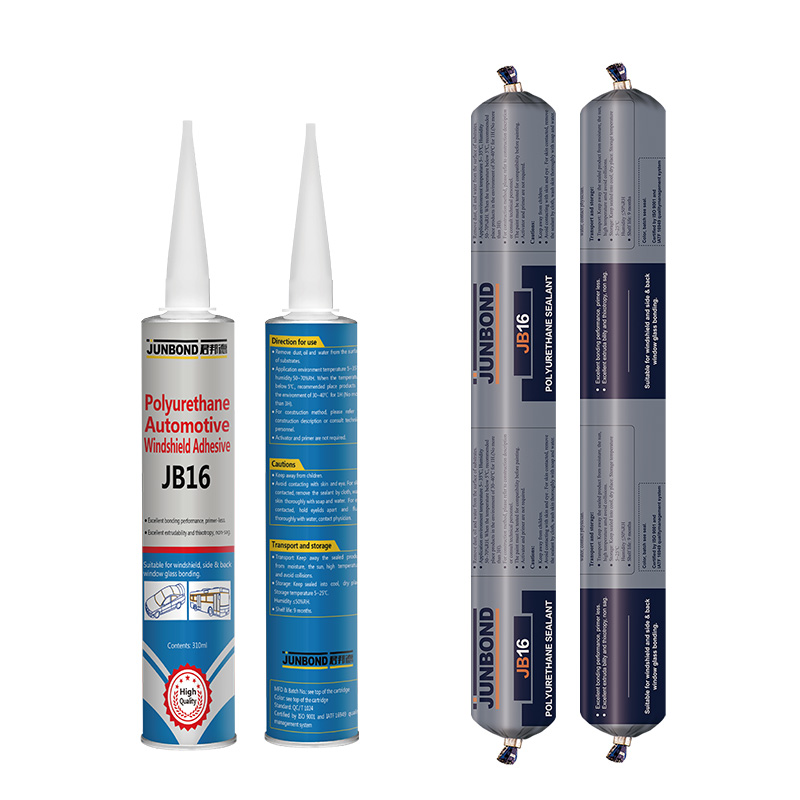
For those seeking reliable results, the JUNBOND JB16 Polyurethane Windshield Sealant offers proven performance and easy application. It is trusted by professionals and DIY users for windshield repairs and installations.
Benefits of Polyurethane for Windshield Sealing
Bonding Strength and Durability
Polyurethane creates a powerful bond between the windshield and the vehicle frame. This bond is essential for preventing a leaking windshield and maintaining the structural integrity of the car. Polyurethane adheres well to glass, metal, and other materials used in automotive construction. Over time, some sealants may lose their grip, but polyurethane maintains its strength for years.
- Polyurethane sealants undergo rigorous testing under different weathering conditions.
- A weathering period of at least 5000 hours is necessary to see significant changes in their properties.
- Different weathering conditions affect the structure and performance of sealants in unique ways.
Although silicone sealants can outperform polyurethane in long-term durability over several decades, polyurethane still provides reliable performance for most automotive applications. Its ability to maintain a strong seal helps prevent a leaking windshield, which can cause water damage and reduce safety.
A secure windshield is not just about comfort. It is about safety and protecting the vehicle’s interior from water and debris.
Weather and Vibration Resistance
Vehicles face constant exposure to sunlight, rain, temperature changes, and road vibrations. Polyurethane stands out for its ability to handle these challenges. It resists weathering and remains flexible, which is crucial for keeping the windshield sealed even as the car moves and flexes.
| Property | Description |
|---|---|
| Flexibility & Elasticity | Polyurethane seals retain flexibility, absorbing shocks and vibrations without cracking. |
| Durability Against Wear & Tear | Offers excellent wear resistance, outperforming rubber in high-vibration environments. |
| High Compression Set Resistance | Less likely to lose shape under compression, maintaining sealing performance over time. |
Polyurethane can degrade under UV exposure, especially in harsh climates. Manufacturers add UV stabilizers and filters to protect the sealant and extend its life. In automotive environments, polyurethane is used in parts like headlights and taillights to prevent yellowing and cracking. After extensive UV exposure, polyurethane may lose some transmittance, but it still provides a durable seal for the windshield.
| Aspect | Description |
|---|---|
| UV Radiation Resistance | Polyurethane can degrade over time due to UV exposure, leading to loss of mechanical properties. |
| Protective Measures | UV stabilizers like Benzotriazole and UV Filters are used to protect polyurethane from degradation. |
| Application in Automotive | Used in components like headlights and taillights to prevent yellowing and cracking. |
A leaking windshield often results from sealants that cannot withstand vibration or weather extremes. Polyurethane’s flexibility and resistance to wear help prevent this problem, keeping the windshield secure in all conditions.
Safety and Leak Prevention
A properly sealed windshield is vital for driver and passenger safety. Polyurethane forms a tight, water-resistant barrier that keeps out rain, dust, and wind. This barrier helps prevent a leaking windshield, which can lead to fogging, electrical problems, and even mold growth inside the car.
- Polyurethane’s strong adhesion reduces the risk of the windshield coming loose during an accident.
- It helps maintain the vehicle’s structural strength, especially in a rollover.
- The sealant’s resistance to vibration and movement means fewer chances of leaks developing over time.
Common mistakes, such as skipping surface preparation or over-applying sealant, can compromise the effectiveness of polyurethane. Proper application ensures the windshield remains leak-free and secure.
Tip: Always follow the manufacturer’s instructions for best results. This helps avoid a leaking windshield and ensures long-lasting protection.
For those seeking a reliable solution, the Junbond JB16 Polyurethane Windshield Sealant offers excellent bonding strength, weather resistance, and ease of use. It is trusted by both professionals and DIY users for automotive windshield repairs and installations.
Junbond JB16 Polyurethane Windshield Sealant
Features and Application
Junbond JB16 polyurethane sealant is designed for high-performance windshield installation and repair. This one-component polyurethane sealant offers medium to high viscosity, which helps create a strong and lasting bond. Its thixotropic properties prevent the sealant from running, making it easy to apply on vertical surfaces. The product cures quickly, forming a permanent elastic bond that adapts to movement and vibration.
Junbond JB16 polyurethane sealant works well on many materials. It bonds securely to glass, fiberglass, steel, and aluminum. This versatility makes it suitable for both professionals and DIY users who need reliable results for windshield replacement or repair. The sealant is waterproof and resists aging, weather, and vibration fatigue. It also remains paintable and polishable after curing, which helps achieve a clean finish.
The product comes in several packaging options, including cartridges, sausages, and pails. This flexibility allows users to choose the right amount for each project. Proper storage is important to maintain quality. The table below shows the recommended storage conditions and shelf life:
| Storage Condition | Details |
|---|---|
| Storage | Keep sealed in a cool, dry place |
| Storage Temperature | 5~25°C |
| Humidity | ≤50%RH |
| Shelf Life (Cartridge/Sausage) | 9 months |
| Shelf Life (Pail) | 6 months |
Why Choose Junbond JB16
Junbond JB16 polyurethane sealant stands out for its simple operation and strong performance. The single-component, moisture-curing formula makes application easy and efficient. Users do not need to mix parts or use special primers in many cases. The sealant provides high elasticity and excellent adhesion, which ensures the windshield stays secure even under stress.
Key benefits include:
- No corrosion to the adhered material
- High strength and reliable bonding for windshield safety
- Fast tack-free time, even in cold temperatures
- Excellent resistance to water, weather, and aging
- Suitable for aftermarket auto glass replacement
Junbond is a trusted brand in the automotive industry. Many customers report satisfaction with the durability and ease of use of Junbond JB16 polyurethane sealant. Professionals and DIY users alike choose this product for its proven results and consistent quality.
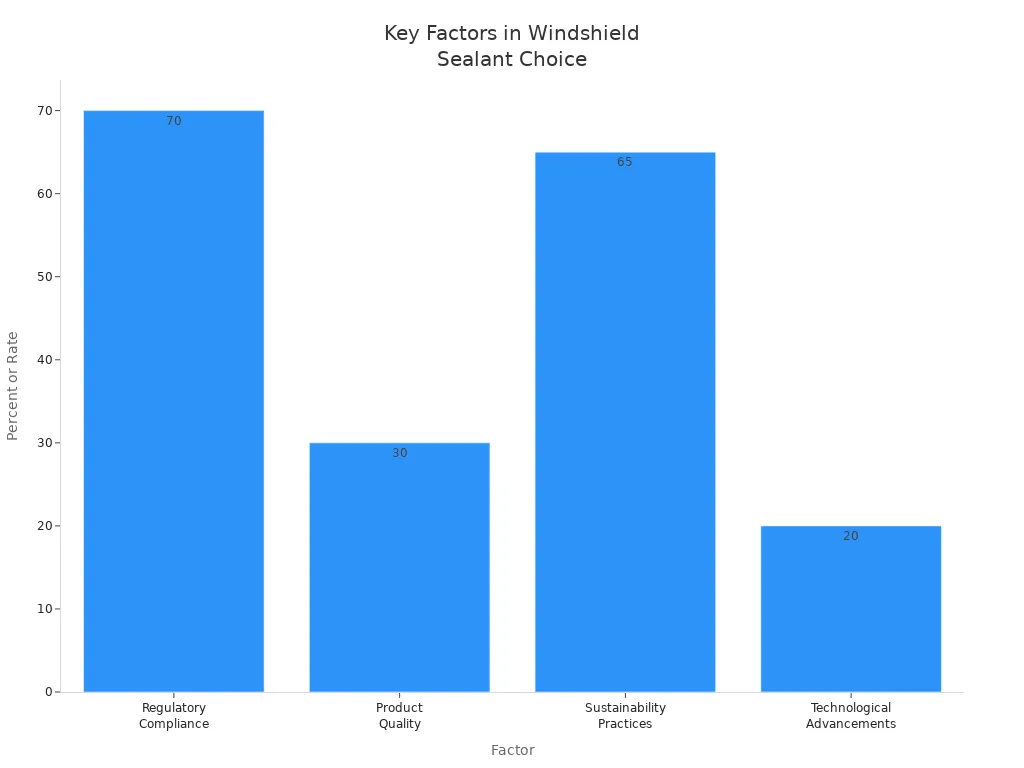
Polyurethane sealant remains the top choice for windshield installation and repair. Automotive professionals prefer it for strong adhesion, flexibility, and weather resistance.
- Strong adhesion keeps the windshield secure.
- Flexibility prevents cracks from temperature changes.
- Weather resistance protects against leaks.
| Metric | Polyurethane Adhesives | Epoxies |
|---|---|---|
| Elongation at Break | 200-600% | 2-10% |
| Roof Crush Strength (Rollover) | 30% | N/A |
For a reliable, easy-to-use solution, Junbond JB16 polyurethane sealant delivers lasting strength and safety for every windshield project.
FAQ
How does polyurethane sealant help with fixing a leaking windshield?
Polyurethane sealant forms a strong, flexible bond. It keeps water out and prevents leaks. Junbond JB16 is a reliable choice for fixing a leaking windshield quickly and safely.
Can I use Junbond JB16 for windshield repairs at home?
Yes. Junbond JB16 is easy to apply. The cartridge design allows for precise use. Many DIY users choose this product for windshield repairs because it cures fast and bonds well.
What surfaces does Junbond JB16 polyurethane sealant bond to?
Junbond JB16 bonds to glass, fiberglass, steel, and aluminum. This versatility makes it suitable for many automotive projects. Professionals trust it for secure and lasting results.
How long does Junbond JB16 take to cure?
Junbond JB16 cures at a rate of at least 3.0mm per 24 hours. The curing speed depends on temperature and humidity. Fast curing helps finish windshield repairs quickly.
Why do professionals prefer polyurethane sealant for windshields?
Professionals prefer polyurethane sealant because it offers strong adhesion and flexibility. It resists weather and vibration. Junbond JB16 is a trusted product for reliable windshield installation.
Post time: Feb-25-2026