
Modern architectural trends continuously push the boundaries of design complexity and installation velocity. Commercial glazing projects worldwide operate under strict timelines that require rapid material deployment to keep schedules on track. However, this acceleration frequently introduces hidden technical risks to the building envelope. When installation teams rush the sealing phase, low-quality materials often fail under environmental stress. Consequently, glazing contractors require a dependable Certified Fast Curing Acetoxy Silicone Supplier to mitigate these common installation risks. High-performance sealants must achieve rapid vulcanization without sacrificing their internal cohesive strength during the chemical process. Therefore, selecting the correct supplier becomes a critical engineering decision for long-term structural safety.
Furthermore, poor chemical formulations frequently exhibit premature skin-over characteristics. This superficial drying traps unreacted moisture inside the deeper layers of the joint. As a result, the sealant develops internal micro-voids and loses its structural integrity over time. Industry professionals look for manufacturing partners who provide verified chemical stability alongside rapid curing profiles. This vital balance ensures that speed does not compromise the ultimate safety of the building facade. Architectural projects now prioritize these verified material standards to protect structural integrity over decades of continuous service.
In addition, mechanical movements in high-rise buildings place immense stress on structural joints. Wind loads create dynamic forces that test the limits of every seal continuously. If a sealant cures too quickly without proper polymer cross-linking, it becomes highly brittle. Brittle sealants crack under pressure and allow water infiltration into the building interior. Therefore, structural engineers carefully evaluate the curing mechanics of their chosen materials before application. The global market requires advanced solutions that combine fast chemical reactions with excellent elastic recovery under load.
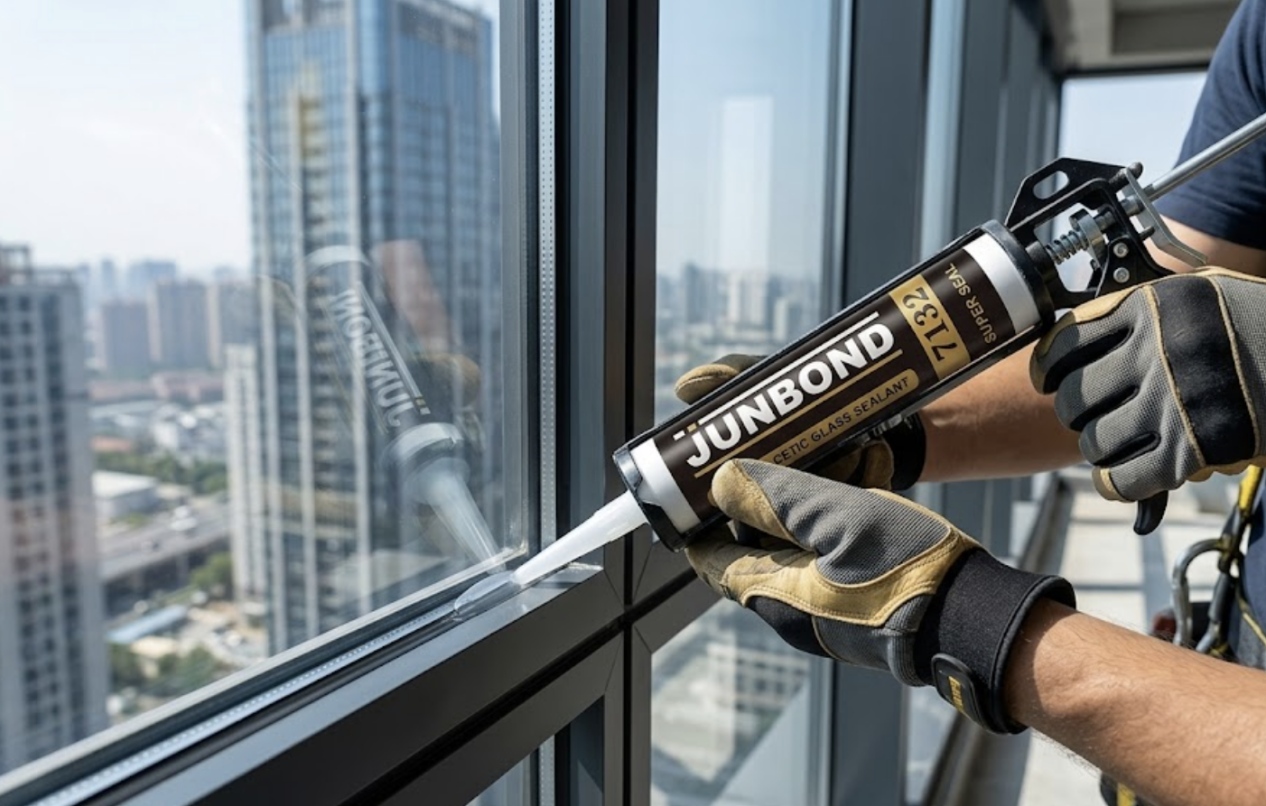
Inside the Molecular Proof: How SGS Purity Controls Govern Elongation and Curing Kinematics
The performance of an acetoxy silicone sealant depends directly on its molecular purity. High-quality formulations rely on premium silicone polymers rather than cheap organic extenders. Many low-cost manufacturers add plasticizers to reduce production expenses artificially. However, these unbonded oils eventually migrate to the surface over time. This migration causes premature shrinkage, substrate staining, and severe cohesive failure. To prevent these catastrophic defects, strict raw material verification remains absolutely essential. Independent testing organizations provide the necessary transparency for global buyers seeking reliable components.
SGS purity validation guarantees that a sealant contains no hidden fillers or harmful volatile organic compounds. Pure silicone networks establish a high cross-link density during the moisture-curing process. This chemical structure allows the material to achieve excellent elongation at break. The sealant stretches significantly without tearing or separating from the substrate face. Furthermore, pure formulations maintain a stable modulus response under continuous mechanical stress. This predictability allows engineers to calculate wind-load resistance with a high degree of accuracy.
When choosing between different formulations, professionals often analyze acetoxy silicone sealant vs neutral silicone to determine the best fit for specific substrates. Acetoxy variants release a small amount of acetic acid during cure, which creates a strong, rapid bond on glass and ceramics. This rapid chemical reaction achieves deep section cure much faster than neutral alternatives. Junbond ensures that its premium acetoxy sealants maintain their rapid curing kinematics without compromising mechanical properties. This independent data provides verifiable proof of material performance before the product arrives at the jobsite.
Scaled Consistency: Translating ISO 9001 Manufacturing Rigor into Batch-to-Batch Predictability
Transitioning a successful laboratory formulation into mass production presents serious engineering challenges. A single experimental batch may perform perfectly under controlled laboratory conditions. However, factory production requires identical results across thousands of metric tons. Variations in ambient humidity, raw material lots, and mixing speeds can disrupt chemical consistency easily. Therefore, advanced manufacturing facilities utilize strict quality management frameworks to control these variables effectively.
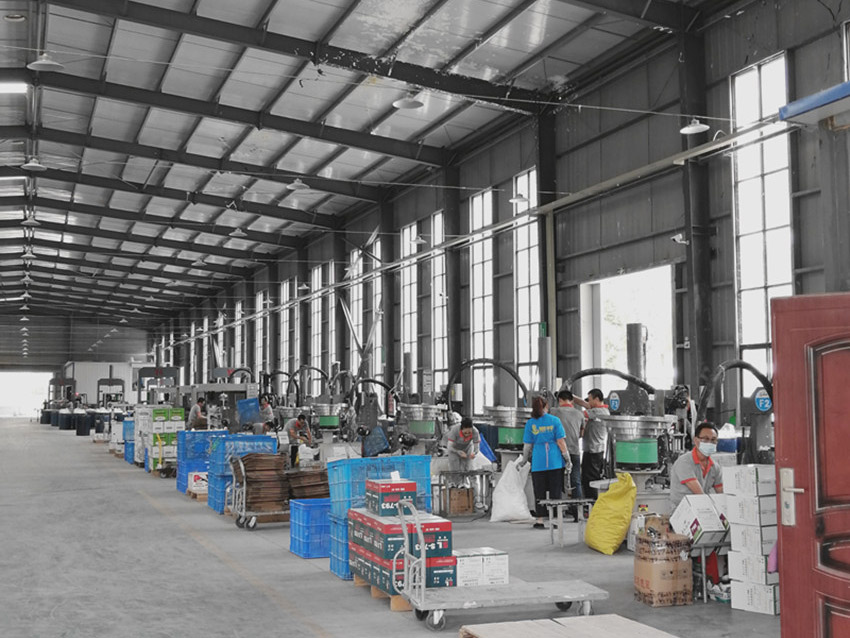
The production facilities at Junbond (Shanghai Junbond Advanced Chemicals Co., Ltd) operate under rigorous ISO 9001 quality management systems. Automated dosing systems measure every chemical component with microgram precision. This automation eliminates human error during the compounding phase entirely. Additionally, multi-stage vacuum deaeration equipment removes microscopic air bubbles from the mixture. Eliminating these micro-voids prevents premature curing inside the cartridge and ensures a smooth extrusion rate during application.
Continuous monitoring protocols track every production batch from raw material arrival to final packaging. Quality control technicians perform butterfly tests and peel adhesion tests on every lot. This systematic approach ensures that the thousandth cartridge performs identically to the very first sample. For international procurement managers, this batch-to-batch predictability reduces the risk of material rejection. Consistent extrusion properties allow application teams to maintain steady production rates on the assembly line. Shanghai Junbond Advanced Chemicals Co., Ltd focuses on building international market trust through this verifiable manufacturing infrastructure.
The Climate Fatigue Matrix: Quantifying Tensile Retention Under Combined UV and Thermal Stress
Building facades experience extreme environmental conditions throughout their operational lifespans. Seals must withstand intense ultraviolet radiation, temperature fluctuations, and severe weather events simultaneously. In desert regions, surface temperatures on glass curtain walls can exceed seventy degrees Celsius. Conversely, arctic environments expose materials to extreme sub-zero conditions. These rapid temperature shifts cause continuous thermal expansion and contraction in glass panels.
To prove durability, manufacturers subject their products to accelerated weathering tests. Laboratories simulate decades of environmental exposure within a few weeks using specialized equipment. Engineers measure tensile retention after prolonged exposure to intense UV light and moisture cycles. Premium acetoxy silicone sealants retain their original tensile strength even after extensive weathering. The chemical backbone of the silicone polymer resists UV degradation far better than organic polyurethane options.
Additionally, strong chemical adhesion to unprimed glass surfaces prevents water bypass effectively. The material forms a watertight barrier that resists ozone attack and atmospheric pollutants. Tensile retention data allows structural engineers to specify the sealant for high-exposure geographic zones with confidence. When a sealant maintains its elastomeric properties, it reduces maintenance costs for building owners. Reliable data eliminates guesswork and protects the long-term investments of real estate developers globally.
Streamlining Jobsite Economics: Turning High-Performance Sealants into Compressed Timelines
High-performance building materials directly influence the financial outcomes of major construction projects. In commercial glazing, time represents a major financial variable. Delays during the facade assembly phase can disrupt the entire construction schedule easily. Fast-curing sealants allow glazing contractors to handle and transport glass units much sooner. This rapid handling reduces warehouse storage requirements and optimizes factory floor space efficiently.
By using fast-curing solutions, assembly shops compress their production cycles significantly. Structural glazing units move through the production line without long waiting periods for full cure. This efficiency allows companies to accept larger project volumes without expanding their physical facilities. Furthermore, reliable adhesion reduces the need for expensive structural primers on glass substrates. This advantage saves material costs and eliminates an entire step from the labor-intensive application process.
Ultimately, global B2B distributors benefit from importing certified products with verifiable credentials. Having clear ISO and SGS documentation simplifies compliance checks with local building authorities. It reduces liability risks for engineering consultants and installation firms alike. Providing a clear trail of quality assurance helps local brands build strong market reputations. Choosing a certified manufacturing partner like Junbond ensures consistent project success from initial design to final completion.
For more information regarding industrial solutions, please visit: https://www.junbond.com/.
Post time: Jun-25-2026