
Modern high-rise architecture continuously expands the boundaries of structural engineering across global metropolitan areas. As buildings ascend higher into the atmosphere, the physical forces acting upon exterior curtain walls increase exponentially. Wind velocity gradients create severe negative pressures that pull outward on large glass facade panels. In addition, high-altitude structures face aerodynamic vortex shedding that induces rhythmic, high-frequency oscillations across the building envelope. Consequently, structural glazing acts as a critical dynamic interface rather than a static barrier. It must distribute immense dead loads, structural shifts, and environmental forces safely across complex geometric joints. Architects must evaluate these severe mechanical challenges during the earliest blueprint phases. Engineering teams often look for a reliable China Best Weatherproof Structural Silicone Factory to supply materials that can withstand these continuous atmospheric demands. High-performance silicone materials serve as active load-bearing structural components within the modern building envelope. They absorb continuous physical shifts caused by both thermal expansion cycles and sudden seismic events. Therefore, selecting the correct structural sealant formula directly determines the safety and ultimate lifespan of high-density urban infrastructure. If the sealant fails to manage these boundary stresses, the structural integrity of the entire facade system degrades rapidly.
Furthermore, the expanding surface area of modern commercial glass units concentrates immense physical strain onto narrow perimeter joints. Traditional mechanical fasteners often fail to distribute this localized pressure evenly, which creates dangerous stress concentrations. Advanced silicone chemistry eliminates this vulnerability by transferring mechanical forces uniformly across the entire perimeter of the glass pane. This uniform distribution prevents localized glass cracking and keeps panels securely anchored under extreme negative pressures. As urban centers build taller structures, the demand for reliable material behavior under stress reaches unprecedented levels. Consequently, facade design relies heavily on the predictable performance of elastomeric bonds to ensure public safety below.

Harmonizing International Benchmarks: The Physics Behind ASTM C1184 and ETAG 002 Compliance
Structural consultants prioritize strict international performance metrics to mitigate high-altitude engineering risks effectively. Two primary regulatory benchmarks guide the global construction industry today: the American ASTM C1184 standard and the European ETAG 002 guideline. These demanding frameworks establish the minimum physical requirements for structural silicone sealants operating under intense mechanical loads. Specifically, compliance requires extensive verification of sustained tensile strength, dynamic shear modulus, and long-term cohesive memory. A deeper understanding of the knowledge of structural silicone sealant reveals how these metrics protect building envelopes from catastrophic failure modes. High-performance formulas must endure simulated decades of intense environmental exposure without experiencing material fatigue or adhesive separation. If a polymer degrades prematurely under pressure, micro-fissures can quickly expand into full-scale adhesive failure.
To ensure absolute compliance with these global benchmarks, professional manufacturers execute exhaustive laboratory evaluations under extreme environmental simulations. Junbond subjects its technical formulations to continuous cyclic stress testing to verify mechanical longevity. These tests evaluate material reactions to combined stressors, including severe water immersion, high temperature fluctuations, and continuous mechanical pulling. The resulting data allows structural engineers to calculate exact safety margins for high-stakes projects. Strict adherence to both ASTM and ETAG standards guarantees that the chosen material will maintain its structural properties for decades. Therefore, international procurement managers utilize these independent certifications to eliminate low-quality materials from their project supply chains. This rigorous scientific verification gives building owners complete confidence in the durability of their architectural investments.
Upstream Molecular Auditing: Raw Material Traceability and Chemical Stability Foundations
Long-term high-rise facade security depends heavily on the foundational molecular purity of the base silicone polymer. High-performance structural sealants rely on an inorganic siloxane polymer chain consisting of alternating silicon and oxygen atoms. This specific atomic bond features an exceptionally high bond energy that naturally resists heavy ultraviolet radiation. In contrast, organic polyurethane sealants contain carbon-carbon backbones that degrade rapidly when exposed to intense solar energy. This degradation leads to surface chalking, material shrinkage, and deep cracking within just a few years of outdoor exposure. To combat this environmental vulnerability, Shanghai Junbond Advanced Chemicals Co., Ltd maintains strict auditing protocols across its entire raw material supply chain. The factory meticulously inspects incoming polymer bases to eliminate low-molecular-weight siloxanes or unbonded chemical fluids.
These molecular impurities pose a significant risk because they can cause polymer reversion over time. Reversion softens the cured sealant, which reduces its tensile strength and causes eventual joint failure under wind loads. By enforcing a comprehensive digital material logging system, the manufacturing facility tracks every chemical batch from raw source to final product. This total traceability ensures that each production run delivers consistent, uncompromised weatherproofing performance. Consequently, engineering consultants receive fully transparent chemical profiles that satisfy stringent regulatory liability requirements for supertall structures. Maintaining this chemical purity allows the material to preserve its flexible elastic memory under prolonged solar exposure. As a result, the building envelope gains a dependable protective shield that blocks moisture infiltration and atmospheric pollutants successfully.
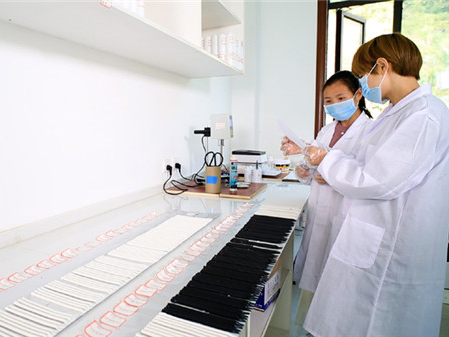
From Proportion to Adhesion: Automated Stoichiometric Mixing and Rigorous Compatibility Matrix Testing
The mechanical performance of structural silicone depends entirely on precise chemical cross-linking during the curing process. While one-component systems cure slowly through exposure to atmospheric moisture, two-component variants utilize a structural catalyst for rapid deep-cure kinetics. Achieving the correct stoichiometric ratio between the base polymer and the catalyst requires highly advanced industrial processing machinery. At its seven advanced production bases, Junbond (Shanghai Junbond Advanced Chemicals Co., Ltd) operates fully automated mixing systems to control these critical proportions. Digital control loops monitor computerized metering pumps in real time to prevent any curing profile deviations. This industrial automation completely eliminates human error and guarantees optimal cross-link density throughout the cured polymer matrix.
Furthermore, material safety requires project-specific compatibility testing long before jobsite installation begins. Technical specialists must verify that the silicone forms a permanent chemical bond with the actual glass and anodized aluminum substrates. Differences in factory coatings or metal anodization processes can severely impact adhesion characteristics if left unverified. Therefore, laboratory technicians perform non-destructive peel-adhesion tests to confirm the strength of the chemical interface. These tests evaluate how well the sealant resists moisture infiltration and mechanical separation under load. If a substrate shows poor adhesion, technicians formulate specialized primers to secure the bond. This thorough testing matrix eliminates unpredictable installation outcomes on the jobsite, protecting contractors from costly remediation work.
Mitigating Long-Term Fatigue Failure: The Invisible Bond as a Structural Risk Mitigation Matrix
Modern procurement strategies for high-stakes commercial real estate focus heavily on multi-decade risk management frameworks. Material failures on a high-rise facade can result in catastrophic financial liabilities and severe public safety hazards. Therefore, structural consultants view high-quality silicone as an essential risk mitigation tool rather than a minor line-item expense. The invisible bond created by high-performance structural sealants acts as a continuous safety lifeline for the entire curtain wall system. It absorbs constant stress-strain variations caused by wind forces, thermal shifts, and minor building settlements without losing structural cohesion. Junbond provides audited quality assurance records that allow real estate developers to satisfy rigorous local building compliance codes. With over 140,000 square meters of modern production infrastructure, the enterprise delivers reliable material volume without sacrificing technical precision.
Investing in verified technical performance ensures that the building envelope remains secure against unpredictable climate challenges. When a factory controls every variable from molecular synthesis to automated batch mixing, the resulting sealant exhibits superior fatigue resistance. This resistance prevents the gradual material degradation that typically occurs over thirty years of continuous operational service. Consequently, international construction firms can execute complex architectural designs with complete peace of mind. By bridging the gap between advanced polymer science and structural engineering, high-performance silicone secures the modern urban skyline safely.
For more information regarding industrial solutions, please visit: https://www.junbond.com/.
Post time: Jun-26-2026