
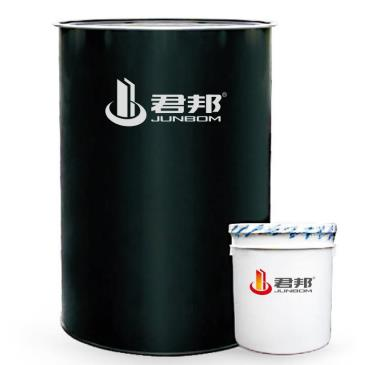
Hot melt butyl sealant stands apart from traditional adhesives due to its advanced formulation and application process. JUNBOND JB 900 Hot Applied Butyl Sealant features a one-component, solvent-free, and non-fogging design. Professionals rely on this sealant for sealing insulating glass, thanks to its versatility across glass, aluminum, and steel. The table below highlights key differences:
| Property | JUNBOND JB 900 Hot Applied Butyl Sealant | Traditional Adhesives |
|---|---|---|
| Application Method | Hot applied, one component | Varies |
| Material Composition | Solvent-free, non-fogging | Often solvent-based |
| Temperature Stability | -30°C to 80°C | Limited range |
| Adhesion Properties | Excellent on glass, aluminum, steel | Varies |
| Moisture/Gas Permeation | Minimum | Higher permeability |
Hot Melt Butyl Sealant vs Traditional Adhesives
Formulation and Composition
Hot melt butyl sealant and traditional adhesives differ significantly in their chemical makeup. The hot melt butyl sealant uses butyl rubber as its main structural component. This rubber provides flexibility and durability. JUNBOND JB 900, a leading butyl hot melt sealant, incorporates organic additives such as hydrocarbon resins and low-molecular-weight polyisobutylene. These additives improve tackiness and rheology. Inorganic fillers like calcium carbonate and silica enhance the sealant’s strength and stability. Organosilicon compounds, including silane-modified poly-alfa-olefin, further boost adhesion properties.
Traditional adhesives often rely on acrylic polymers or butadiene-styrene as their base. They may contain more solvents, which can affect environmental safety and performance. The table below summarizes the primary chemical differences:
| Additive Type | Hot Melt Butyl Sealant (e.g., JB 900) | Traditional Adhesives |
|---|---|---|
| Base Polymers | Butyl rubber | Acrylic polymers, butadiene-styrene |
| Organic Additives | Hydrocarbon resins, polyisobutylene | Alkylphenol–formaldehyde resins, gum rosin |
| Inorganic Fillers | Calcium carbonate, silica | Montmorillonites, carbon black |
| Organosilicon Compounds | Silane-modified poly-alfa-olefin | Often absent or minimal |
| Solvent Content | Solvent-free | Often solvent-based |
Application Methods
The application process for butyl hot melt sealant sets it apart from traditional adhesives. Hot melt butyl sealant requires heating to a specific temperature range, usually between 100°C and 150°C. Professionals use extruders to apply the sealant directly onto spacers or substrates. The process ensures a uniform and strong bond, especially for insulating glass units.
Traditional adhesives may be applied at room temperature. They often require mixing two components or waiting for solvents to evaporate. This can lead to longer preparation and curing times. Butyl hot melt sealant offers a straightforward, one-component application. The installer heats the sealant, applies it, and presses the materials together. This method reduces labor and minimizes errors.
Tip: Always ensure surfaces are clean and dry before applying butyl hot melt sealant. This maximizes adhesion and performance.
Key Performance Factors
Performance is where butyl hot melt sealant excels. The sealant maintains its plasticity and sealing properties across a wide temperature range, from -30°C to 80°C. This stability is crucial for insulating glass and other demanding applications. JUNBOND JB 900 demonstrates excellent adhesion to glass, aluminum alloys, galvanized steel, and stainless steel. The sealant forms a robust barrier against moisture vapor and gas permeation.
Traditional adhesives may struggle with temperature fluctuations and environmental exposure. They can lose flexibility or degrade over time. Butyl hot melt sealant remains flexible and durable, even in harsh conditions. Its solvent-free formulation prevents fogging and ensures a clean, clear seal. The curing process is immediate after pressing, allowing for faster project completion.
·Key advantages of butyl hot melt sealant:
Superior adhesion to multiple substrates
Consistent performance in extreme temperatures
Minimal moisture and gas permeability
Quick and reliable application process
Professionals in the glass industry choose butyl hot melt sealant for its reliability and long-term value. JUNBOND JB 900 stands as a prime example of advanced sealant technology, meeting the highest standards for insulating glass units.
Performance of Butyl Hot Melt Sealant
Durability and Flexibility
Butyl hot melt sealant stands out for its exceptional durability and flexibility. Manufactured from premium butyl rubber and synthetic resins, it delivers reliable adhesion and flexibility under a wide range of temperature conditions. Unlike traditional adhesives, which may become rigid or lose strength when exposed to temperature changes, butyl hot melt sealant maintains its plasticity and sealing properties. This means it does not crack or harden, even in extreme cold or heat. The sealant remains permanently tacky, never curing or hardening over time. This property ensures long-lasting flexibility and superior sealing capabilities, especially when compared to silicones, polysulfides, and other sealants. For applications such as insulating glass or automotive assembly, hot melt butyl rubber for car use provides a consistent, flexible barrier that adapts to movement and vibration. This flexibility is crucial for preventing leaks and maintaining structural integrity over the lifespan of the installation.
Weather and UV Resistance
Environmental resistance is a key factor in the performance of any sealant. Butyl hot melt sealant excels in this area, offering outstanding protection against weather and ultraviolet (UV) exposure. Standardized testing methods assess adhesion strength, water permeability, temperature cycling, and UV resistance. Independent laboratories conduct long-term exposure studies that simulate years of environmental conditions in a short period. These studies show that high-quality butyl hot melt sealant can maintain effective sealing performance for 20 to 30 years or more. This longevity demonstrates its resistance to UV degradation and harsh weather. The following table summarizes how butyl rubber compares to other sealants in accelerated aging tests:
| Adhesive Type | UV Resistance | Notes |
|---|---|---|
| Butyl Rubber | Performs well | Resists aging under UV exposure |
| APAO | Performs well | Maintains integrity in sunlight |
| EVA | Degrades over time | Loses effectiveness with prolonged UV contact |
Hot melt butyl rubber for car applications benefits from this resistance, ensuring that seals remain intact even after years of sun and weather exposure. Other sealants, such as EVA, may degrade and lose their sealing ability, leading to potential failures in demanding environments.
Adhesion to Various Materials
Versatility in adhesion is another advantage of butyl hot melt sealant. It bonds strongly to a wide range of substrates, including glass, aluminum alloys, galvanized steel, stainless steel, and plastics. This makes it an ideal choice for insulating glass units, construction, and automotive applications. Hot melt butyl rubber for car use ensures a secure seal on both metal and plastic surfaces, which is essential for modern vehicle manufacturing. The sealant’s unique formulation allows it to adapt to different materials without losing its sealing properties. Other sealants may not offer the same level of compatibility or may require surface treatments to achieve similar results. Butyl hot melt sealant provides a straightforward solution, reducing the risk of adhesion failure and ensuring long-term performance across diverse applications.
Note: Always ensure surfaces are clean and free from contaminants before applying butyl hot melt sealant. This step maximizes adhesion and extends the life of the seal.
Application and Usability of Hot Melt Butyl Rubber
Ease of Use
Hot melt butyl rubber offers a straightforward application process. Professionals heat the sealant to a range between 100°C and 150°C. They use extruders to apply the sealant directly onto spacers or substrates. This method ensures uniform coverage and strong adhesion. Unlike traditional adhesives, which often require mixing or multi-step preparation, hot melt butyl rubber is a one-component product. The installer does not need to measure or combine ingredients. This simplicity reduces errors and speeds up installation.
·Application procedures for hot melt butyl rubber are less complex than those for traditional adhesives.
·Traditional adhesives may require surface treatments or primer application.
·Hot melt butyl rubber for car use allows for quick and efficient sealing in automotive manufacturing.
Tip: Always clean and dry surfaces before applying the sealant to maximize performance.
Curing and Setting Time
Curing time plays a critical role in project timelines. Hot melt butyl rubber sets immediately after pressing, allowing for rapid progress in construction or manufacturing. There is no need to wait hours or days for the sealant to cure. Traditional adhesives often require extended curing periods, which can delay subsequent steps. In construction, waiting for adhesives to harden can impact scheduling and throughput.
·Hot melt butyl rubber for car applications enables faster assembly and reduces downtime.
·Immediate setting of the sealant improves efficiency and productivity.
·Traditional adhesives may involve chemical reactions that take longer to reach full strength.
Material Compatibility
Hot melt butyl rubber demonstrates excellent compatibility with a wide range of materials. The sealant adheres strongly to glass, metals, and plastics. This versatility makes it suitable for insulating glass units, construction, and automotive applications. Hot melt butyl rubber for car use ensures reliable sealing on both metal and plastic surfaces. Traditional adhesives may not offer the same level of compatibility and often require additional surface preparation.
·The sealant maintains its properties across different substrates.
·Professionals can use hot melt butyl rubber in diverse environments without sacrificing performance.
·Material compatibility reduces the risk of adhesion failure and supports long-term durability.
Cost and Value Comparison
Initial Investment
Choosing the right sealant involves evaluating the initial investment. Hot melt butyl sealant, such as JUNBOND JB 900, often requires specialized equipment for heating and application. This equipment represents an upfront cost. However, the one-component nature of the sealant reduces material waste and simplifies inventory management. Traditional adhesives may seem less expensive at first, but they often require primers, mixing tools, or additional products. The shelf life of JB 900 reaches up to 24 months when stored properly. This extended shelf life minimizes product loss and supports efficient project planning. Other sealants may have shorter shelf lives, leading to more frequent replacement and higher overall costs.
Long-Term Value
Long-term value depends on performance retention and durability. Hot melt butyl sealant demonstrates exceptional longevity in real-world installations. Studies show that butyl sealants can exceed 60 years of service life, maintaining elasticity and adhesion even after decades. The table below compares key performance metrics:
| Metric | Butyl Sealants | Traditional Adhesives |
|---|---|---|
| Service Life | Exceeding 60 years | Varies significantly |
| Elasticity | Exceptional after 35 years | Often reduced over time |
| Adhesion | Maintained over decades | Can degrade |
| Cohesive Tensile Strength | Strong after long-term exposure | Generally weaker |
| Performance Consistency | Documented brand-specific performance | Lacks standardization |
Other sealants may lose flexibility or strength as they age. Hot melt butyl sealant retains its properties, reducing the need for repairs and replacements. This reliability translates into lower lifecycle costs and greater value for professionals.
Maintenance Needs
Maintenance requirements impact overall project costs. Hot melt butyl sealant forms a robust barrier against moisture and gas permeation. This durability minimizes the need for ongoing maintenance. Other sealants may require frequent inspections or repairs due to environmental exposure. Professionals using JB 900 benefit from reduced maintenance schedules and fewer disruptions. The sealant’s resistance to weather and UV ensures consistent performance, even in demanding environments.
Note: Investing in a high-quality sealant like JB 900 supports long-term savings and project reliability. Other sealants may offer lower upfront costs but can lead to higher maintenance expenses over time.
Use Cases for Butyl Hot Melt Sealant
Best Uses for Butyl Hot Melt Sealant
Butyl hot melt sealant serves as a reliable solution in many industries. Its primary application lies in insulating glass units, where it creates a durable barrier against moisture and gas. Professionals in construction use this sealant for windows, doors, and vapor barriers to improve energy efficiency. The product also performs well in metal building and cladding, providing strength and flexibility for joints and seams. In metal roofing, butyl hot melt sealant seals cracks and joints, ensuring long-term durability. Water management systems benefit from its watertight properties, especially in precast concrete and geomembrane installations. HVAC and duct sealing projects use this sealant to prevent air leakage and water damage. Vehicle construction relies on butyl hot melt sealant for sound deadening and maintaining structural integrity.
| Application Area | Description |
|---|---|
| Construction and Building Envelope | Used for airtight and watertight seals in windows, doors, and vapor barriers, enhancing energy efficiency. |
| Metal Building and Cladding | Provides strength and flexibility for joints and seams in metal structures. |
| Metal Roofing | Seals joints and cracks in roofs, ensuring durability and compliance with building standards. |
| Water Management Systems | Ensures watertight connections in precast concrete and geomembranes for long-term durability. |
| HVAC and Duct Sealing | Seals HVAC ducts to prevent air leakage and water damage, ensuring system efficiency. |
| Vehicle Construction | Used in various vehicles for sealing and sound deadening, maintaining structural integrity. |
When to Choose Traditional Adhesives
Traditional adhesives remain useful in specific scenarios. Projects that require bonding materials not compatible with butyl hot melt sealant may benefit from these alternatives. Some adhesives work better for lightweight design applications or when a clear, rigid bond is necessary. When the application process demands room-temperature curing or when specialized curing requirements exist, traditional adhesives may offer advantages. Consider these options for projects where aesthetic appearance or weight reduction is a priority.
Selecting the Right Sealant
Selecting the right sealant depends on several factors. Substrate compatibility is essential, as not all adhesives bond well to every surface. Environmental resistance matters, especially for projects exposed to temperature extremes, moisture, or UV light. Mechanical strength and flexibility should match the expected stress on the joint. The glass transition temperature (Tg) must exceed the operating temperature for reliable performance. Application process and curing requirements also influence usability. Aesthetic and weight considerations may affect the final choice.
| Criteria | Description |
|---|---|
| Substrate Compatibility | Not all adhesives bond well to every surface; choosing the right formulation is critical. |
| Environmental Resistance | Consider temperature extremes, moisture, UV exposure, and chemical contact for durability. |
| Mechanical Strength and Flexibility | Assess the type of stress the adhesive joint will encounter, including shear and impact loads. |
| Glass Transition Temperature (Tg) | Tg indicates the temperature range for adhesive performance; it should be higher than operating temps. |
| Application Process & Curing Requirements | Each adhesive has specific application and curing needs that affect usability. |
| Aesthetic and Weight Considerations | Adhesives can reduce weight and improve appearance in design applications. |
Tip: Review your project’s requirements before selecting a sealant. Matching the right product to your needs ensures long-term performance and reliability.
Hot melt butyl sealant offers superior performance, fast application, and long-term value compared to traditional adhesives. JUNBOND JB 900 stands out as a high-quality hot melt butyl rubber, ideal for insulating glass and challenging environments. Experts recommend verifying compatibility, ensuring proper surface preparation, and considering technical support. The table below summarizes key recommendations for selecting the right sealant:
| Recommendation | Description |
|---|---|
| Verify compatibility and long-term durability | Request compatibility data and aging test results. |
| Supply chain and technical support | Consider local inventory and on-site assistance. |
| Surface preparation and priming | Clean substrates and use recommended primers. |
| Joint design and tooling | Follow joint design guidelines and use proper backer rods. |
| Common failures and troubleshooting | Identify failures and improve surface preparation as needed. |
Choosing the right sealant ensures lasting results and project success.
FAQ
What makes JUNBOND JB 900 different from other sealants?
JUNBOND JB 900 is a one-component, solvent-free, non-fogging hot melt butyl sealant. It offers excellent adhesion, wide temperature stability, and minimal moisture permeability. Professionals choose it for insulating glass and demanding environments.
Can hot melt butyl sealant be used on plastics?
Yes, hot melt butyl sealant bonds well to many plastics, inclding those used in warm edge spacers. Always test compatibility with the specific plastic before full application.
How long does JB 900 last after application?
JB 900 provides long-term durability. When applied correctly, it can maintain its sealing properties for decades, often exceeding 20 years in insulating glass units.
Is special equipment required to apply hot melt butyl sealant?
Yes. Application requires heating equipment, such as extruders, to reach the recommended temperature range of 100°C to 150°C. This ensures proper flow and adhesion.
Post time: May-11-2026