
Contemporary architecture continuously challenges engineering limits through soaring supertall skyscrapers and complex geometric building facades. Modern commercial designs utilize massive glass units to maximize natural light and create sleek urban aesthetics. However, these architectural choices transfer immense physical loads directly onto the underlying structural glazing networks. Consequently, facade engineering specialists face the difficult task of managing intense dynamic stresses across large surface areas. During the initial design phases of these ambitious architectural projects, construction planners must cooperate with a trusted China Best Weatherproof Structural Silicone Factory to guarantee long-term safety. While interior glass installations sometimes rely on specialized materials from a Certified Fast Curing Acetoxy Silicone Supplier, external building envelopes require heavy-duty alternatives. These high-exposure facade joints must withstand continuous physical displacement without suffering material fatigue or cohesive failure. Therefore, the global construction industry now treats structural sealants as critical load-bearing structural components rather than simple aesthetic fillers. Modern building envelopes depend entirely on advanced polymer engineering to maintain their structural resilience over multiple decades.
Furthermore, the rising frequency of severe weather events creates additional complications for urban high-rise infrastructure. Dynamic wind pressures apply cyclic forces that test the adhesive bond of every glass panel. If a building sealant fails to absorb these vibrations, the curtain wall can suffer catastrophic delamination. Engineers must analyze how different materials distribute load under extreme wind conditions before approving construction blueprints. High-performance structural silicone provides a flexible connection that allows the glass facade to move slightly without detaching from the aluminum framing. This structural flexibility preserves the integrity of the building shield during seismic activities and intense storms.
The Infrastructure of Elasticity: How Flexible Manufacturing Absorbs Global Project Risks
Managing the material supply chain for international mega-projects requires immense production capacity and reliable logistical management. Construction firms often experience costly operational delays when dealing with smaller regional suppliers who lack manufacturing scale. To eliminate these procurement bottlenecks, global purchasing managers select manufacturing partners with extensive industrial infrastructure. For instance, the operational footprint of Junbond includes seven advanced production bases strategically located across major industrial zones. These modern manufacturing facilities encompass a total area of 140,000 square meters to handle high-volume commercial orders efficiently. This extensive manufacturing network allows the company to support multiple overseas skyscraper projects simultaneously without creating lead-time fluctuations.
Concurrently, the manufacturing plants integrate flexible production dynamics within their fully automated processing lines. Production managers can rapidly recalibrate automated compounding machinery to adjust chemical viscosity, alter packaging types, or create custom architectural colors. This flexible capability allows engineering teams to acquire custom-tailored sealant formulations designed for unique environmental challenges. Large-scale automated manufacturing acts as an operational shield for global construction firms by stabilizing product availability. Consequently, international distributors can maintain optimal inventory levels regardless of sudden seasonal market demands or unexpected supply disruptions.
Decoding Class 35/50 Displacement: The Mechanics of Joint Integrity Under Extreme Wind Loads
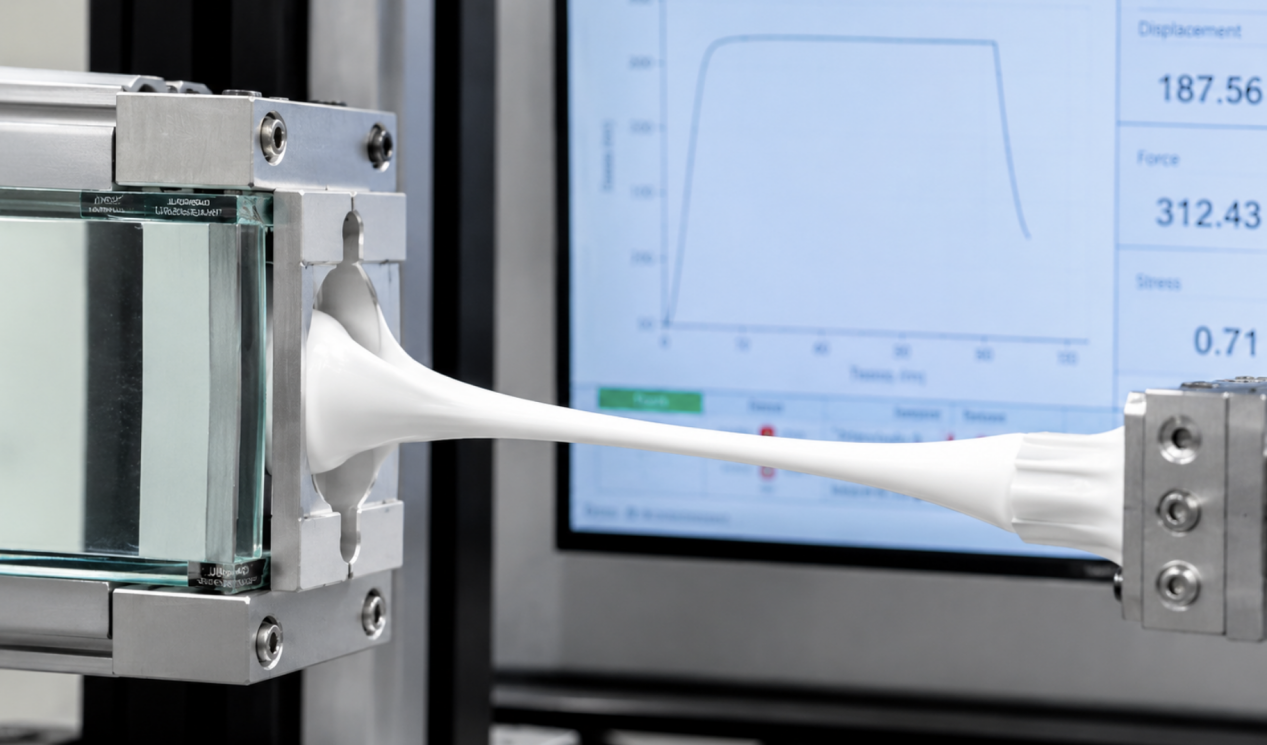
Technical performance parameters remain the primary focus for engineers during the material specification phase of high-stakes infrastructure. Structural consultants evaluate movement capability metrics to ensure that building joints can accommodate continuous thermal and physical expansion. High-performance one-component and two-component silicone systems deliver outstanding engineering properties under severe mechanical stress. Specifically, advanced formulations that achieve Class 35 or Class 50 movement capacity ratings provide the necessary elasticity for complex facades. Reviewing the latest technical documentation regarding structural silicone sealant products highlights how these movement ratings influence modern design parameters. These high certifications verify that the cured silicone can stretch or compress by 35% or 50% without experiencing adhesive failure.
When extreme wind loads strike a glass curtain wall, the structural sealant dissipates the dynamic forces smoothly. The polymer matrix transfers the mechanical stress into the structural metal framework instead of allowing energy concentration at the glass edges. This continuous stress dissipation prevents glass breakage and guards against sudden structural detachment during atmospheric anomalies. Therefore, independent testing laboratories perform rigorous cyclic movement evaluations to verify the tensile properties of each formula before commercial deployment. This precise engineering approach provides an essential safety margin for high-density urban environments.
The Microclimate Shield: Mitigating Polymer Degradation Under Thermal Cycles and Solar Radiation
In addition to resisting dynamic physical forces, global building envelopes must survive intense microclimate degradation over extended periods. Building facades endure relentless ultraviolet radiation, high humidity levels, and extreme temperature variations throughout their operational lifespans. For example, desert geographic regions create massive surface temperature fluctuations between daytime solar heating and nighttime cooling. These rapid temperature changes cause continuous thermal expansion and contraction cycles within multi-material facade assemblies. To combat this severe environmental fatigue, Junbond (Shanghai Junbond Advanced Chemicals Co., Ltd) manufactures structural sealants using a highly stable chemical composition.
The engineered silicone polymer relies on an inorganic siloxane chain consisting of alternating silicon and oxygen atoms. This specific silicon-oxygen chemical bond possesses a high bond energy that resists ultraviolet light degradation exceptionally well. Conversely, the carbon-carbon backbones found in organic polyurethane sealants quickly degrade when exposed to intense solar radiation. Organic alternatives often manifest surface chalking, severe shrinkage, and deep cracks after a few years of environmental exposure. In contrast, weatherproof structural silicone preserves its physical flexibility and elastic memory under prolonged solar exposure. This environmental endurance prevents water infiltration, blocks atmospheric pollutants, and ensures a dependable building lifespan exceeding twenty-five years.
Total Batch Harmonization: Engineering Material Consistency for High-Stakes Infrastructure
Material variance introduces serious liabilities for curtain wall inspectors, structural consultants, and real estate developers alike. If a single shipment of structural sealant exhibits inconsistent curing characteristics or lower tensile strength, the safety of the entire facade becomes compromised. Therefore, leading manufacturing facilities implement rigorous quality assurance frameworks to achieve absolute batch harmonization across all production runs. The production centers at Shanghai Junbond Advanced Chemicals Co., Ltd utilize fully digitized control loops to monitor every phase of the compounding process. Enclosed automated systems strictly regulate raw material feeding rates, internal mixing temperatures, and multi-stage vacuum deaeration cycles to eliminate human errors completely.
Furthermore, quality control technicians perform standardized performance testing on every single production lot before final packaging and shipment. These protocols include thixotropy verification, extrusion rate measurements, and substrate compatibility testing under precise laboratory conditions. This strict manufacturing oversight guarantees that every metric ton of structural silicone displays identical chemical and mechanical behaviors. Consequently, B2B procurement professionals can submit verified engineering documentation to localized building authorities with complete confidence. This data-driven quality framework allows international construction companies to streamline compliance approvals and execute durable structural projects worldwide.
For more information regarding industrial solutions, please visit: https://www.junbond.com/.
Post time: Jun-30-2026