
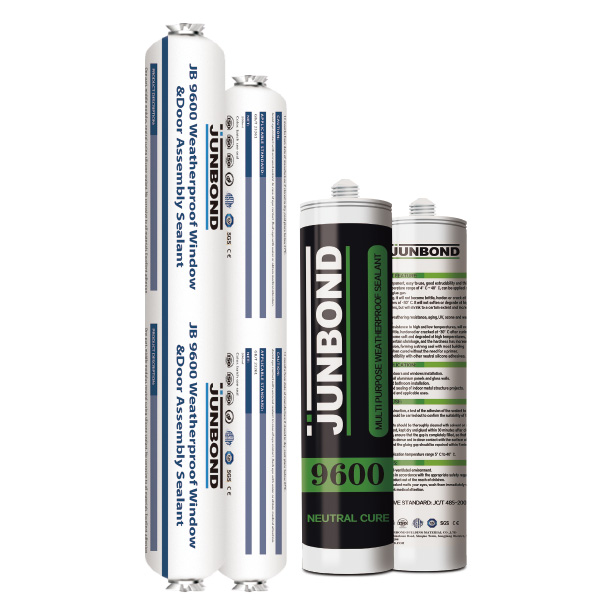
Multi purpose sealant plays a key role in both construction and diy projects. The sealants market is booming, especially among consumers who want easy-to-use, high-performance sealants for various applications. Junbond JB9600 Multi Purpose Weatherproof Silicone Sealant stands out for its versatility and reliability. People use silicone for window and door sealing, bathroom and kitchen waterproofing, roof repairs, diy crafts, HVAC duct sealing, automotive bonding, construction joints, industrial equipment, outdoor fixtures, and marble or granite sealing. They can find practical tips and product recommendations for each of these best uses for silicone sealant.
Window and Door Sealing
Energy Efficiency Benefits
Window and door sealing stands as one of the most important applications for multi purpose sealant in 2026. People often overlook how much energy escapes through poorly sealed windows and doors. Junbond JB9600 offers a neutral curing formula that protects sensitive materials and delivers reliable performance. When homeowners and professionals use high-performance sealants like JB9600, they notice a difference in comfort and energy bills.
Many buildings face issues from poor sealing, including:
·Foggy or cloudy glass that reduces visibility and causes energy loss.
·Drafty windows that increase HVAC costs and make rooms uncomfortable.
·Water leakage leading to mold and interior damage.
·Excessive noise that disrupts productivity and relaxation.
·Mold and mildew from persistent condensation and leaks.
Silicone sealant enables the sealing of energy-saving multi-pane glazing elements. It creates a durable, water and air-tight skin for buildings, which boosts energy efficiency and reduces operational carbon emissions. Curtain walls become airtight and watertight, even under extreme pressure. For example, large structures like Shanghai Tower use silicone sealants to fasten double-skin facades, resulting in energy savings of up to 20 percent compared to buildings without sealants.
Weatherproofing with Silicone Sealant
Weatherproofing is essential for windows and doors, especially in regions with harsh climates. Junbond JB9600 delivers exceptional weather resistance, maintaining flexibility and adhesion even after exposure to extreme temperatures. This sealant withstands temperatures from -50°C to 150°C, making it suitable for both hot and cold environments.
Silicone sealant forms a seamless, waterproof barrier that blocks rainwater, cold air, hot air, and dust. It fills gaps between glass and frames, enhancing sound insulation and reducing energy consumption by preventing heat loss in winter and heat gain in summer. Studies show that silicone seals resist degradation from moisture and UV rays, which means less maintenance and longer-lasting protection.
Tip: For a durable seal in 2026, clean surfaces thoroughly before applying sealant. Use a steady hand to create a smooth bead and allow proper curing time for maximum effectiveness.
Bathroom and Kitchen Waterproofing
Preventing Leaks with Multi Purpose Sealant
Bathrooms and kitchens face constant exposure to water. Leaks often start around sinks, showers, baths, and kitchen splashbacks and benchtops. People notice water damage from fixtures, countertops, and appliances. Junbond JB9600 Multi Purpose Weatherproof Silicone Sealant offers a reliable solution for sealing these trouble spots. Its neutral curing formula protects sensitive surfaces like mirrors and splashbacks, making it ideal for wet area waterproofing.
Junbond JB9600 stands out for non-corrosive sealing around sinks, bathtubs, and appliances. The sealant forms a flexible, waterproof barrier that prevents leaks and withstands movement. Homeowners and professionals trust high-performance sealants to keep water out and maintain the integrity of their kitchen and bathroom applications.
Leading causes of water damage in bathrooms and kitchens include:
·Leaks from bathroom fixtures such as tubs, showers, and toilet bases.
·Leaks from kitchen sinks and countertops where water frequently accumulates.
Multi purpose sealant addresses these issues by:
·Providing enhanced waterproofing to prevent leaks.
·Offering flexibility to maintain seal integrity despite building movement.
·Including anti-mold additives to resist fungus growth in wet conditions.
Laboratory tests show impressive leak prevention.
| Test Condition | Result | Observation |
|---|---|---|
| Fresh porcine small intestine with a 4mm hole sealed with a patch | No leakage for up to 8 hours | Stable bonding to tissue wall |
| After 24 hours under digestive fluid contact | Some leakage observed in controls | High-performance adhesion maintained |
| Burst pressure under digestive fluid contact | Similar maximal burst pressures for SGF and SIF | Surpasses native intestinal burst pressure |
Tip: Junbond JB9600 comes in several colors, including transparent, white, black, and grey. People can match their sealant to kitchen splashbacks and benchtops, bathroom tiles, or even oven surrounds for a seamless look.
Mold and Hygiene Considerations
Bathrooms are high-moisture environments. Mold and mildew thrive where water, warmth, and organic materials meet. People worry about health risks from mold exposure, so demand for anti-mold sealants keeps rising. Silicone sealant with anti-mold additives helps maintain hygiene and keeps surfaces clean.
In a hospital renovation project, replacing standard silicone sealants with anti-bacterial ones led to a 98% reduction in bacterial colonies on sealed joints, significantly decreasing post-operative infections caused by environmental contamination.
Facilities that adopted silicone-based waterproofing reported a 30% reduction in mold-related issues over five years, demonstrating its effectiveness in maintaining hygiene.
·Bathrooms are high-moisture environments, making them susceptible to mold and mildew.
·The combination of moisture, warmth, and organic materials creates ideal conditions for mold infestation.
·Increased awareness of health risks associated with mold exposure drives demand for anti-mold sealants.
Junbond JB9600 provides a strong defense against mold and bacteria. Its neutral curing formula ensures safe sealing showers and baths, mirrors, and kitchen splashbacks. People enjoy cleaner spaces and peace of mind with this dependable sealant.
Roof and Gutter Repairs
Outdoor Weatherproofing
Roof and gutter repairs often challenge homeowners and professionals. They face leaks, cracks, and weather damage that threaten the structure. Multi purpose sealant offers a practical solution for these issues. Junbond JB9600 stands out for its weatherproof properties, making it ideal for outdoor applications.
People encounter frequent problems with roofs and guttering, such as:
·Repairing and jointing roof guttering
·Filling cracks in stone tiles
·Forming lap joint bonds
·Working with difficult surfaces like bitumen, asphalt, or lead
·Tackling general external weatherproofing tasks
Silicone sealant forms a strong, waterproof barrier. It protects against rain, snow, and UV rays. The sealant maintains flexibility and adhesion, even when exposed to harsh weather. Studies show that silicone seals perform well in extreme conditions, which is essential for roofing and guttering.
Tip: Clean the surface and remove old debris before sealing. Apply a steady bead of sealant for best results.
Longevity of Sealant Applications
Durability matters when repairing roofs and gutters. People want repairs that last through seasons and storms. Silicone sealant delivers impressive longevity. After 40 years of outdoor exposure, silicone sealants outperformed polyurethane and acrylic alternatives. They resisted environmental aging, kept their adhesion, and stayed flexible.
Silicone sealants achieve near-instantaneous elastic recovery after stress. This feature helps them handle building movement and temperature changes. The surface stays cleaner and shows less cracking or discoloration than other sealants. Structural silicone sealants create airtight and watertight seals under extreme pressure, making them perfect for weatherproofing.
Junbond JB9600 provides reliable sealing for roof and gutter repairs. It works on difficult surfaces and forms lasting bonds. People trust this sealant for its durability and weatherproofing performance.
| Feature | Silicone Sealant | Polyurethane | Acrylic |
|---|---|---|---|
| Outdoor Durability | Superior | Moderate | Low |
| Flexibility | High | Medium | Low |
| Elastic Recovery | Instant | Slow | Slow |
| Surface Condition | Clean/Intact | Cracked | Discolored |
DIY Craft and Quick Repairs
Best Uses for Silicone Sealant in DIY Projects
People love tackling quick fixes and creative projects at home. In 2026, they use silicone for more than just construction. It has become a favorite for both repairs and crafts because it is easy to apply and delivers strong results. Many choose it for its flexibility and long-lasting hold.
Here are some of the best uses for silicone sealant in diy projects:
1.Bathroom and wet area waterproofing
2.Window and door sealing
3.Kitchen splashbacks and benchtops
4.Roof and gutter repairs
5.Marine and aquaculture applications
6.Structural glazing
7.Expansion joint sealing
8.Plumbing penetrations
9.Tile and grout protection
10.Electrical fixture sealing
People often use silicone to fix leaks around sinks or showers, seal kitchen splashbacks, or repair tiles. They also use it for small craft projects, like making custom molds or bonding glass and ceramics. The versatility of this sealant makes it a must-have in every toolbox.
Tip: For creative crafts, try using colored silicone to match your project or add a fun accent.
Safety and Finish Tips
Safety matters when working with any sealant. People should always prepare the surface by cleaning and drying it well. This step helps the sealant stick better and last longer. Choosing the right type of silicone for the job is important, especially in areas with moisture or heat.
For a neat finish, many use masking tape along the edges before sealing. Cutting the nozzle at a 45-degree angle gives better control. Applying even pressure with a caulking gun helps create a smooth line. After applying, smoothing the bead with a tool or a finger dipped in soapy water gives a polished look.
Here are some quick safety and finish tips:
1.Prepare the surface by cleaning and drying.
2.Choose the right sealant for your project.
3.Use masking tape for clean lines.
4.Cut the nozzle at an angle for control.
5.Apply even pressure with a caulking gun.
6.Smooth the bead for a polished finish.
7.Allow proper curing time before using the area.
Note: Let the sealant cure for at least 24 hours before exposing it to water or heavy use. This step ensures a strong, lasting bond.
HVAC Duct and Vent Sealing
Improving Air Quality
People often overlook the impact of HVAC duct and vent sealing on indoor air quality. When gaps or cracks exist in ductwork, dust, mold spores, and other contaminants can enter the air supply. Sealing these leaks helps keep the air cleaner and healthier for everyone in the building. A comprehensive 40-year study shows that neutral-cure alkoxy silicones improve indoor air quality because they release very low levels of volatile organic compounds. These products also meet strict sustainability certifications, making them a smart choice for modern homes and businesses.
According to industry guides, sealing holes and gaps in ductwork not only prevents air loss but also blocks pollutants from entering the system. This step leads to fewer allergens and less dust circulating through the rooms. People notice fresher air and fewer allergy symptoms after sealing their HVAC ducts.
Tip: Regularly check ducts for visible gaps or loose connections. Sealing these areas with a high-quality silicone can make a big difference in air quality.
Energy Efficiency with Multi Purpose Sealant
Sealing HVAC ducts and vents does more than just improve air quality. It also boosts energy efficiency and comfort. When air escapes through unsealed ducts, heating and cooling systems must work harder to maintain the right temperature. This extra effort increases energy bills and puts more strain on the equipment.
Here are some key benefits of sealing HVAC ducts and vents:
·Lower energy bills
·Improved comfort with even temperatures throughout the home
·Better indoor air quality
·Extended HVAC system lifespan
Studies from the Department of Energy, Energy Star, and other organizations show impressive savings:
| Source | Estimated Savings |
|---|---|
| Department of Energy and Energy Star | 10%-20% of total energy costs |
| Lawrence Berkeley National Laboratory | 15%-25% |
| National Renewable Energy Laboratory | $300-$700 |
| Environmental Protection Agency | 11% of total energy costs |
People who use a multi purpose sealant for their HVAC projects often see these benefits. The waterproof properties of silicone help protect ducts from moisture, which can lead to rust or mold. With proper sealing, HVAC systems run more efficiently and last longer, saving money and reducing maintenance headaches.
Automotive and EV Sealing
Bonding and Sealing for Vehicles
Automotive and electric vehicle (EV) technology keeps moving forward. As more vehicles use electric power, the need for reliable sealing solutions grows. Many manufacturers now choose silicone for its strong performance in both traditional and electric cars. They use it to protect sensitive parts and keep vehicles running smoothly.
In 2026, common uses for silicone in the automotive world include:
·Sealing battery packs to prevent moisture from getting inside
·Encapsulating power electronics for better protection
·Creating thermal management solutions that help control heat
·Sealing engine control units and other electronic modules
·Protecting sensors in advanced driver-assistance systems (ADAS)
These applications help vehicles stay safe and efficient. The automotive industry expects silicone sealants to hold almost half of the market share because they work so well in high-reliability electronics and EV power modules.
Tip: When working on EVs or modern cars, always check the manufacturer’s recommendations for sealant compatibility with electronic components.
Extreme Temperature Resistance
Vehicles face tough conditions every day. Engine parts, exhaust systems, and battery packs can get very hot or cold. Silicone stands out because it can handle these extremes without breaking down.
Here’s a quick look at why silicone works so well in automotive settings:
| Property | Description |
|---|---|
| Temperature Resistance | Handles 500°F to 600°F without losing strength |
| Flexibility and Adhesion | Stays flexible and sticks well, even under thermal stress |
| Durability | Built to last in high-heat areas |
| Resistance to Thermal Cycling | Resists damage from repeated heating and cooling, plus moisture |
Silicone does not become brittle over time. It keeps engine parts and electronics safe from heat, chemicals, and moisture. Many experts say that using a quality sealant can even extend the life of key vehicle components.
Note: Always allow the sealant to cure fully before exposing it to high temperatures or harsh conditions.
Construction Joint Sealing
Waterproofing Walls and Floors
Construction joints often become weak spots in buildings. Water can seep through these areas and cause damage to walls and floors. Many builders now use silicone to create a strong, flexible barrier that keeps water out. This method works well for both new buildings and renovations. Junbond JB9600 helps seal gaps between concrete slabs, tiles, and even when sealing and bonding plasterboard. People trust silicone because it sticks to many surfaces and stays flexible as buildings move.
Take a look at some common challenges that multi purpose sealant solves in construction:
| Challenge | Description |
|---|---|
| Water Infiltration Issues | Modern sealants create air-tight seals that prevent water entry, addressing leaks around windows and roof edges. |
| Structural Movement Challenges | Sealants remain flexible to accommodate building movement, preventing cracks and water ingress. |
| Energy Efficiency Demands | Sealants fill gaps that cause air leaks, improving energy efficiency and reducing heating costs. |
People often see leaks around windows, doors, and floor joints. Silicone forms a waterproof seal that blocks moisture and helps prevent mold. It also keeps indoor spaces comfortable by stopping drafts and reducing energy loss.
Tip: Always clean the joint before applying silicone. This step helps the sealant stick better and last longer.
Anti-Pollution Properties
Modern buildings face more than just water problems. Pollution and dust can enter through small cracks in plasterboard or concrete. Silicone acts as a barrier, keeping out unwanted particles. This feature is important for schools, hospitals, and homes in busy cities.
Junbond JB9600 stands out for its anti-pollution properties. It forms a tight seal that blocks dust, dirt, and even some airborne chemicals. People notice cleaner indoor air and less dust on surfaces. Builders often choose this sealant for projects where health and cleanliness matter most.
Note: Using a high-quality sealant in construction joints helps protect both the building and the people inside.
Industrial Equipment Sealant Uses
Preventing Leaks in Machinery
Industrial machinery often faces tough conditions. Leaks can cause downtime, damage, and expensive repairs. Many engineers rely on silicone to seal joints, gaskets, and fittings. They use it to keep oil, water, and chemicals inside machines. This approach helps prevent contamination and keeps equipment running smoothly.
Junbond JB9600 works well in factories, workshops, and plants. It forms a flexible barrier that stands up to vibration and temperature changes. Workers apply the sealant to pumps, compressors, and valves. They notice fewer leaks and less maintenance. Machines stay cleaner and safer, which boosts productivity.
Tip: Always clean surfaces before applying silicone. This step helps the sealant stick and last longer.
Adhesion to Multiple Materials
Industrial settings use many materials, including metal, glass, and plastic. Silicone stands out because it bonds to all of them. Workers do not need special primers or surface treatments. They save time and reduce costs.
Here’s a quick look at how silicone performs:
| Material | Adhesion Capability |
|---|---|
| Metal | Strong adhesion, reliable for automotive and industrial applications |
| Glass | Effective bonding under various environmental conditions |
| Plastic | Versatile bonding without complex surface preparation |
Silicone sealants provide reliable adhesion for many industrial applications. They help join different substrates and keep machines working efficiently.
Outdoor Fixture Protection
Weatherproofing for Structures
Outdoor fixtures face tough conditions every day. Rain, wind, and sunlight can wear down surfaces and cause damage over time. People want their homes and buildings to look good and last longer. They often choose silicone for weatherproofing because it stands up to the elements.
Take a look at how different outdoor fixtures benefit from silicone:
| Outdoor Fixture | Benefit of Silicone Sealant |
|---|---|
| Windows | Exceptional weather resistance |
| Doors | Stability in extreme temperatures |
| Siding | Protection against UV rays, rain, and humidity |
Windows and doors need extra protection. Silicone forms a flexible barrier that keeps water out and blocks drafts. Siding also gets help from silicone, which shields it from UV rays and moisture. People notice fewer leaks and less fading when they use the right product.
Tip: For best results, apply silicone on a dry day. This step helps it stick better and last longer.
Material Compatibility
People use many materials for outdoor fixtures. Some choose wood for a classic look. Others pick metal or vinyl for strength and style. Silicone works well with all these materials. It bonds tightly to wood, metal, glass, and even painted surfaces.
This wide compatibility means people do not need to buy different products for each job. They can use one silicone for windows, doors, and siding. That makes repairs and maintenance easier. It also saves time and money.
People trust silicone because it does not crack or peel when the weather changes. It stays flexible and strong, even after years outside. When they want a reliable sealant for outdoor projects, they know what to reach for.
Note: Always check the label to make sure the product matches the material you plan to seal.
Marble, Granite, and Ceramic Sealing
Non-Corrosive Sealant for Sensitive Materials
Marble, granite, and ceramic surfaces need special care. Many people worry about using the wrong product and causing stains or damage. Junbond JB9600 uses a neutral curing formula. This feature protects sensitive materials from corrosion and discoloration. He can apply the silicone without fear of harming natural stone or polished tiles. The product releases no harsh byproducts, so it keeps surfaces looking clean and bright.
People often choose silicone for sealing countertops, backsplashes, and bathroom vanities. It works well on both polished and rough stone. They notice that the sealant stays flexible and strong, even after years of use. This quality helps prevent cracks and keeps water out. For best results, he should clean the surface and let it dry before applying the sealant. Using a steady hand and smoothing the bead gives a neat finish.
Tip: Always test a small area first. This step helps avoid unexpected color changes or surface reactions.
Aesthetic and Structural Benefits
A good sealant does more than protect. It also improves the look and strength of marble, granite, and ceramic installations. People want their kitchens and bathrooms to look beautiful and stay safe from water damage. Silicone blends in with many colors and finishes. He can pick from transparent, white, black, or grey to match the decor.
The table below shows some key benefits:
| Benefit | Description |
|---|---|
| Universal substrate compatibility | Safe for various materials including natural stone, which justifies the premium cost for many applications. |
| No corrosion risk | Neutral byproducts do not harm metals or sensitive materials, preventing corrosion failures. |
| Minimal odor | Produces less objectionable odor, making it suitable for occupied or sensitive spaces. |
He sees that silicone keeps joints tight and surfaces smooth. It prevents water from seeping under tiles or stone slabs. This protection stops mold and keeps the structure strong. People enjoy a cleaner, safer home with fewer repairs.
Note: Regular maintenance and careful application help marble, granite, and ceramic surfaces stay beautiful for years.
Multi purpose sealant brings value to every project in 2026. Industry experts highlight silicone for its reliability in extreme temperatures and UV exposure, MS hybrid sealants for versatility and eco-friendly standards, and polyurethane for strength in busy areas. Both DIY enthusiasts and professionals benefit from the best uses for silicone sealant, whether tackling bathroom upgrades or sealing and bonding plasterboard. Junbond JB9600 stands out for durability and performance. A quick checklist helps readers choose the right sealant for each task.
Try new applications and share your results. Every project offers a chance to discover more ways silicone can help.
FAQ
How long does Junbond JB9600 take to cure?
Junbond JB9600 usually cures within 24 hours at room temperature. He should allow extra time if the area is humid or cold. Always check the surface before using it.
Can someone use Junbond JB9600 on both indoor and outdoor projects?
Yes, they can use Junbond JB9600 for indoor and outdoor tasks. The sealant resists weather and temperature changes. It works well on windows, doors, roofs, and even kitchen surfaces.
What surfaces does Junbond JB9600 bond to?
Junbond JB9600 bonds to glass, concrete, marble, granite, ceramic, metal, and plastic. He does not need special primers. The sealant sticks to most building materials.
Is Junbond JB9600 safe for sensitive materials like marble?
Junbond JB9600 uses a neutral curing formula. It does not corrode or discolor marble, granite, or ceramic. He can seal countertops and tiles without worry.
Post time: Apr-13-2026