
Homeowners often ask if nail free sealant offers a reliable solution for home repairs. Many want a strong bond without damaging surfaces or using traditional nails. Junbond Nail Free Sealant stands out with its easy application and high bonding strength. It works well on wood, metal, and stone. Consider both the benefits and the possible drawbacks before choosing this adhesive for your next project.
Nail Free Sealant Pros
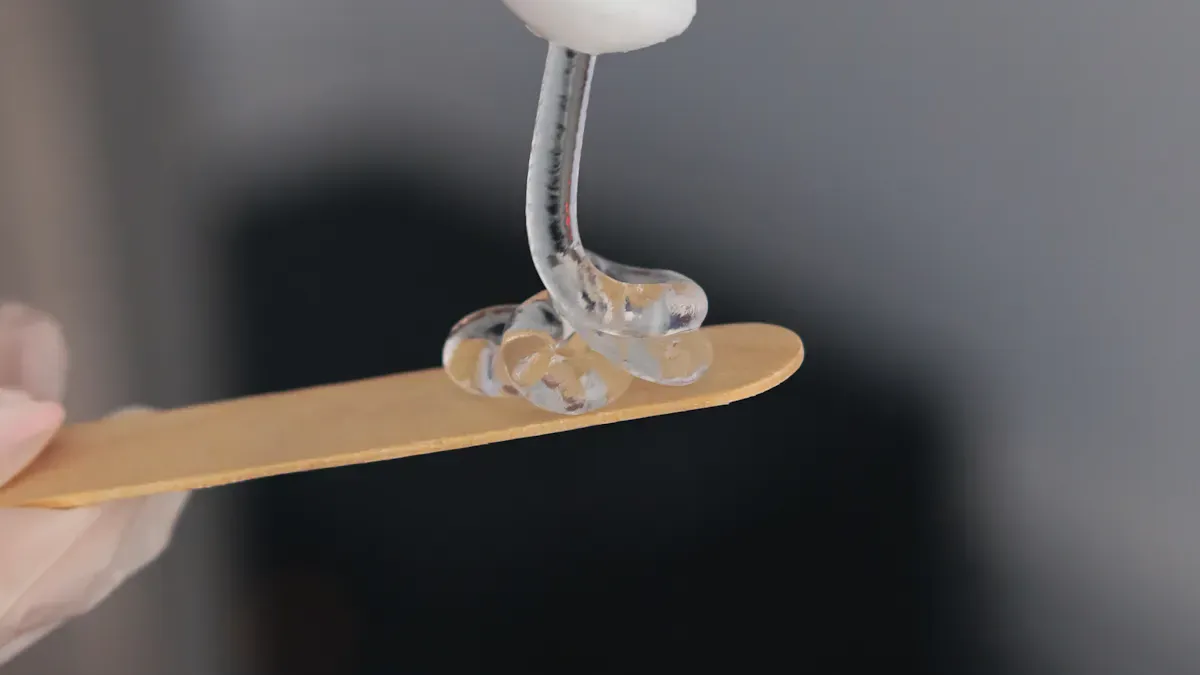
Easy DIY Application
Many homeowners want a product that makes repairs simple. Nail-free glue offers an easy solution. Junbond Nail Free Sealant comes ready to use. You do not need special tools or skills. Just apply the adhesive where you need it. No pre-drilling or hammering is required. This makes it perfect for quick fixes in kitchens or bathrooms. Even first-time users can achieve professional results. Most users report that nail-free glue saves time and effort during home projects.
Clean Finish, No Surface Damage
Traditional nails can leave holes and cracks in walls or furniture. Nail-free glue avoids this problem. Junbond Nail Free Sealant bonds surfaces without causing damage. You get a smooth, clean finish every time. This is important for visible areas like living rooms or entryways. Homeowners can attach shelves, hooks, or panels without worrying about unsightly marks. The result looks neat and professional.
Versatile Material Bonding
Nail-free glue works on many surfaces. Junbond Nail Free Sealant bonds wood, metal, plastic, ceramic, and even stone. This versatility means you can use one product for many tasks. For example, you can fix a loose tile in the bathroom, attach a metal bracket in the garage, or repair a wooden chair. The modified silane polymer in Junbond ensures strong adhesion across different materials. This makes it a reliable choice for various home improvement projects.
Fast, Quiet Installation
Many people want to finish projects quickly. Nail-free glue helps speed up the process. According to user reviews, faster project completion is a top benefit. You do not need to wait for tools or deal with loud noises from hammering. Junbond Nail Free Sealant allows for quiet, efficient work. This is helpful when working in apartments or late at night. The strong initial viscosity means items stay in place right away, reducing the need for clamps or supports.
Tip: Nail-free glue is ideal for busy families who want to complete repairs without disrupting daily life.
Flexible and Weatherproof
Home repairs often face changing conditions. Junbond Nail Free Sealant remains flexible after curing. It does not become brittle over time. The adhesive resists water, vibrations, and temperature changes. This makes it suitable for both indoor and outdoor use. You can use it to seal bathroom fixtures, bond outdoor decorations, or secure kitchen backsplashes. The product is also free from harmful chemicals, making it safe for homes with children or pets.
| Benefit/Concern | Description |
|---|---|
| Faster Project Completion | Projects are completed faster, which is a significant advantage for busy individuals. |
| Versatility | Nail-free glues can be used across various materials. |
| Ease of Use | No pre-drilling is required, simplifying the application process. |
Nail free sealant offers a modern, convenient alternative to traditional fasteners. Homeowners can enjoy strong, lasting bonds without the mess or damage of nails. Junbond Nail Free Sealant stands out for its ease of use, versatility, and safety.
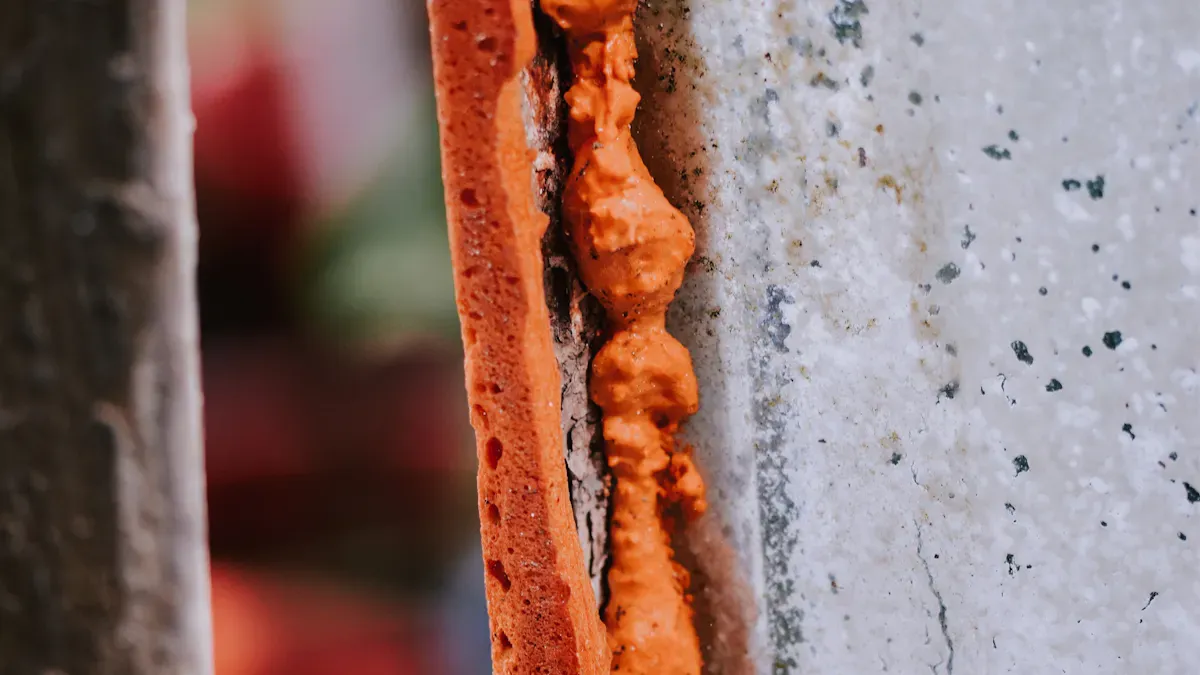
Limited Heavy Load Support
Nail-free glue works well for many household tasks, but it may not support very heavy items. For example, if you want to hang a large mirror or a heavy shelf, traditional nails or screws often provide more strength. Nail-free glue is best for lightweight or medium-weight objects, such as picture frames, small hooks, or decorative panels. In places like garages or workshops, where heavy tools or equipment need to be mounted, mechanical fasteners remain the safer choice. Junbond Nail Free Sealant offers strong initial grip, but homeowners should always check weight limits before use.
Material Compatibility Issues
Not all surfaces bond equally well with nail-free glue. Some plastics, oily woods, or painted surfaces may not allow the adhesive to stick properly. For example, if you try to attach a plastic hook to a wall with a glossy finish, the bond may not last. Traditional nails or screws can work on almost any surface, but nail-free glue requires clean, dry, and compatible materials. Junbond Nail Free Sealant is designed for wide compatibility, including wood, metal, stone, and ceramic. However, it is always important to test a small area first, especially on unusual materials.
Tip: Always clean the surface before applying nail-free glue. Dust, oil, or moisture can weaken the bond.
Curing Time Required
Nail-free glue does not reach full strength instantly. After application, the adhesive needs time to cure and develop its maximum hold. This means you may need to support or tape items in place until the glue sets. The following table shows typical curing times for Junbond Nail Free Sealant under normal home conditions:
| Type of Time | Duration |
|---|---|
| Skin-Over Time | 15 to 30 minutes |
| Dry to the Touch | 30 to 60 minutes |
| Functional Cure | 24 hours for 3mm bead |
| Fully Cured | 48 to 72 hours or longer |
For quick repairs, nails or screws provide immediate support. With nail-free glue, patience is needed to ensure a strong, lasting bond.
Higher Cost Than Nails
Nail-free glue usually costs more than a box of nails or screws. For small projects, the price difference may not matter. However, for larger renovations or multiple repairs, the cost can add up. Homeowners should consider their budget and the size of the project before choosing a nail-free adhesive. The extra cost often pays off in convenience and a cleaner finish, but it is still a factor to keep in mind.
Risk of Adhesive Failure
Like any product, nail-free glue can fail if not used correctly. The most common causes of adhesive failure include poor sealant quality, improper application, and dirty surfaces. The table below lists these causes and their effects:
| Cause of Failure | Description |
|---|---|
| Poor sealant quality | Leads to breakage of the colloid after curing and can cause degumming, allowing moisture entry. |
| Unreasonable operation process | Results in decreased bonding performance if the substrate surface is contaminated. |
| Contamination of substrate | Oil, dust, and impurities on the substrate surface reduce the effectiveness of the sealant. |
To avoid these problems, always follow the instructions and use a high-quality product. Junbond Nail Free Sealant has strong initial viscosity and bonds to many surfaces, which helps reduce the risk of failure. Still, careful preparation and correct use are important for the best results.
Pros and Cons Comparison Table
Choosing the right adhesive for home projects can be challenging. Homeowners often compare nail free sealant with traditional fasteners like silicone sealant. The table below highlights the main advantages and disadvantages of each option. This quick-reference guide helps you see the differences at a glance.
| Feature | Nail Free Sealant (e.g., Junbond) | Traditional Fasteners (Silicone Sealant) |
|---|---|---|
| Key Advantages | Bonds almost all materials | Strong weather aging resistance |
| Fast curing, firm bonding | Good displacement capacity | |
| Can fill joints and gaps | Environmentally friendly | |
| Coatable and paintable | Nonflammable and non-explosive | |
| Works in cold and wet conditions | ||
| Main Disadvantages | May have a strong smell during use | Longer curing time |
| Lower weatherability in some cases | Not suitable for fast fixing | |
| General elongation | Not paintable | |
| Flammable in some formulas |
Note: Nail free sealant like Junbond offers strong initial grip and works on many surfaces. It is ideal for quick repairs and clean finishes. Traditional fasteners provide excellent durability outdoors and resist aging from weather.
Quick Tips for Homeowners
Use nail free sealant for indoor projects, decorative panels, and repairs where appearance matters.
Choose traditional fasteners for heavy-duty outdoor tasks or when maximum weather resistance is needed.
Always check the product label for safety and compatibility with your materials.
This comparison table gives you a clear overview. It helps you decide which product fits your needs best. Consider the type of project, the materials involved, and the environment before making your choice.
When to Use Nail Free Sealant
Best Project Types
Nail-free glue is a smart choice for many home improvement projects. Homeowners often use it for tasks that require a clean look and a strong bond. The most common projects include:
·Installation of wall panels in living rooms or hallways
·Flooring projects, such as attaching baseboards or trim
·Assembling furniture, including bookshelves and cabinets
·Cabinetry construction in kitchens and bathrooms
·Outdoor projects like securing garden decorations or mailbox posts
Nail-free glue works best when you want to avoid surface damage. It is also useful when you need a quiet and fast installation. Many people choose this method for repairs in apartments or homes with children and pets.
Tip: Always test a small area before starting your project. This helps prevent surprises and ensures the adhesive works well with your materials.
Choosing Junbond for Results
Selecting the right nail free sealant is important for a successful project. Junbond stands out as a high-performance adhesive because it bonds to many materials and offers strong initial grip. To get the best results, follow these steps:
1.Check if the adhesive matches the material you plan to bond.
2.Measure the joint size to make sure the glue will fill the space.
3.Understand how the joint is built for proper application.
4.Look at the adhesive’s flexibility and weather resistance.
5.Store the product in a cool, dry place to keep it fresh.
6.Clean surfaces before applying nail-free glue for better adhesion.
7.Use the right technique and avoid using too much glue.
Experts recommend using nail-free glue to save time and effort. Always work in a well-ventilated area and keep the product away from children and pets. Wearing gloves can protect your hands from sticky residue. Reading instructions and applying the glue sparingly will help you achieve a neat finish.
Junbond nail free sealant offers reliability, safety, and versatility for both indoor and outdoor projects. It is a trusted choice for homeowners who want lasting results without the hassle of nails.
Nail free sealant offers homeowners a simple and safe way to complete repairs. Junbond stands out for its strong bonds and easy application. The table below shows how Junbond compares to traditional fasteners:
| Feature | Junbond Nail Free Sealant | Traditional Fasteners |
|---|---|---|
| Convenience | Easy to use, no tools needed | Requires tools and skills |
| Strength | Strong, durable bonds | Varies |
| Safety | No risk of injury | Risk of injury |
Choose nail free sealant for projects that need a neat look and reliable hold. Always match your choice to your project’s needs.
FAQ
What surfaces can Junbond Nail Free Sealant bond?
Junbond Nail Free Sealant bonds wood, metal, stone, ceramic, and many plastics. It works well on both porous and non-porous surfaces. Always test a small area first for best results.
Is Junbond Nail Free Sealant safe for indoor use?
Yes. Junbond Nail Free Sealant does not contain harmful chemicals like formaldehyde or benzene. It is safe for use in kitchens, bathrooms, and living spaces.
How long does Junbond Nail Free Sealant take to cure?
Note:
Skin forms in 15–30 minutes. Full strength develops in 24–72 hours, depending on bead size and conditions. Support items until the sealant cures.
Can I paint over Junbond Nail Free Sealant?
Yes, you can paint over the cured sealant. Make sure the surface is dry before applying paint. This helps achieve a smooth, professional finish.
What should I do if the sealant gets on my hands?
Wipe off excess sealant with a dry cloth. Wash your hands with soap and water. Wearing gloves can help prevent sticky residue.
Post time: Jun-01-2026