
Global commercial construction and facade engineering require highly predictable materials to maintain structural integrity over long operational lifespans. Selecting the right adhesive solution plays a massive role in mitigating multi-million-dollar project liabilities for real estate developers. For decades, procurement managers relied on basic product data sheets to make critical purchasing decisions for high-stakes building projects. However, modern high-performance architectural facades present complex stress distributions that require a more analytical evaluation framework. Facade engineers now utilize a strict metric-driven vendor audit to evaluate raw materials and supplier capability. Consequently, identifying a true China Leading High Modulus Neutral Silicone Manufacturer demands a deep understanding of five core performance benchmarks. These key technical indicators separate ordinary commercial sealants from superior elastomeric formulations designed for extreme environments. High modulus neutral silicone sealants provide critical structural support at the perimeter joints of curtain wall installations. They transfer mechanical stresses efficiently, block water infiltration, and absorb continuous dynamic vibrations from urban activity. Therefore, the material specification phase must move past superficial brand promises and generic marketing claims. Structural consultants prefer an empirical vetting system that focuses entirely on quantitative mechanical boundaries and certified factory testing. This proactive methodology significantly reduces engineering risks and guarantees long-term durability for high-density urban developments worldwide.
Furthermore, the global architectural shift toward massive glass and aluminum building envelopes intensifies the physical demands on joints. Weatherproof seals must perform reliably under severe thermal expansion cycles and intense localized pressures without experiencing adhesion loss. When engineering teams audit a potential manufacturing partner, they must analyze the foundational chemistry of the production plant. Superior field performance emerges from strict control over polymer formulation, raw material sourcing, and molecular cross-linking consistency. As a result, the global construction industry uses these top five technical benchmarks to create an objective, non-negotiable baseline for premium material selection.
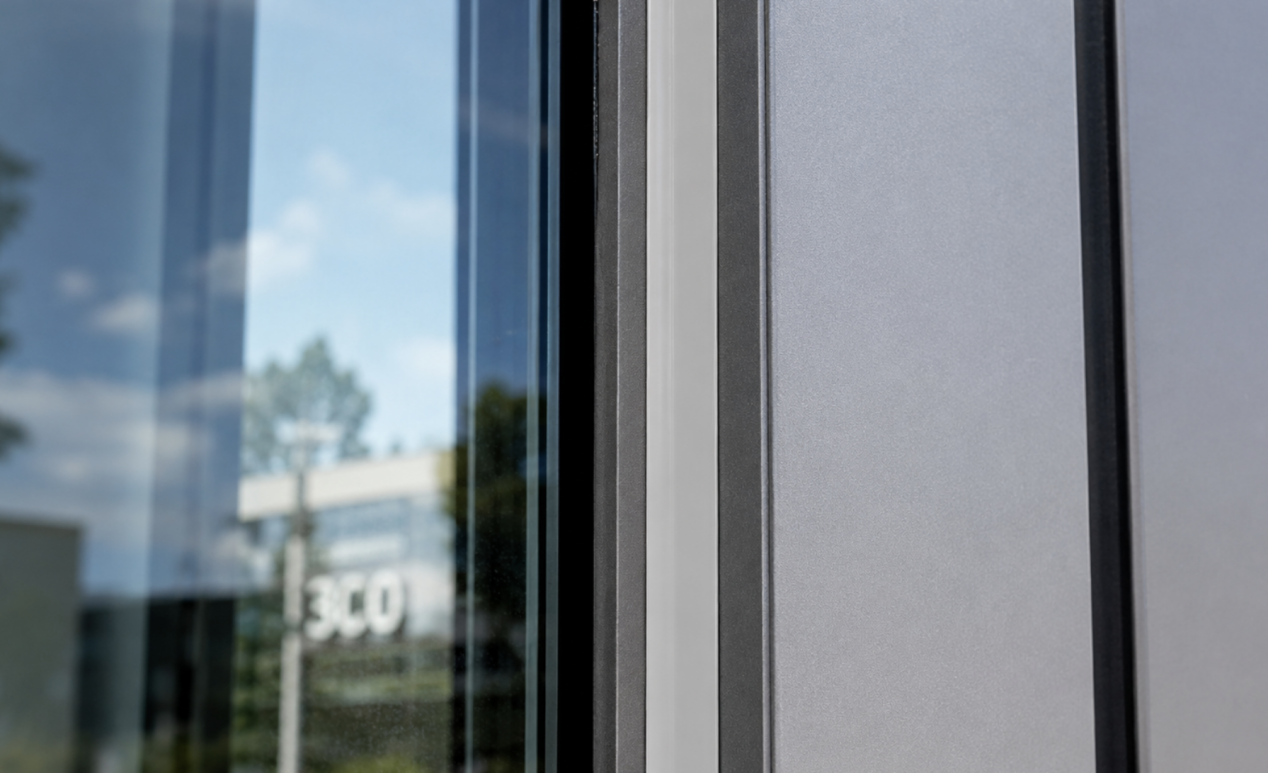
Benchmarks 1 & 2: Tensile Energy Dissipation and Non-Corrosive Substrate Interfacial Compatibility
The first performance benchmark centers on tensile energy dissipation and elastic recovery characteristics under sustained mechanical loads. High modulus silicone sealants exhibit high tensile strength at low elongation percentages, which makes them ideal for structural glazing joints. When intense wind forces strike a commercial facade, the silicone matrix must withstand the mechanical pull without experiencing excessive elongation. This high modulus response limits the physical movement of the glass units, protecting the internal framing system from damage. Concurrently, the material must demonstrate superior elastic recovery to preserve joint configuration over thousands of operational cycles. After the wind pressure subsides, the cured sealant must return to its original dimensions without suffering permanent deformation. Shanghai Junbond Advanced Chemicals Co., Ltd optimizes this mechanical balance by engineering high-density polymer networks that resist material fatigue. This precise material design allows the sealant to distribute heavy multi-axial loads uniformly across the entire perimeter of the joint interface.
The second critical benchmark involves non-corrosive substrate interfacial compatibility across diverse building materials. Traditional acetoxy silicone sealants release acetic acid during the curing mechanism, which causes severe corrosion on sensitive structural metals. Therefore, modern facade design relies entirely on neutral curing chemistry, which typically releases non-aggressive byproducts like alcohols or oximes. This chemical neutrality ensures that the sealant remains perfectly compatible with powder-coated aluminum, structural steel, architectural stone, and concrete blocks. If the chemical formulation contains unrefined fillers, the sealant can cause permanent oily staining or adhesive delamination over time. To eliminate this risk, professional manufacturers conduct extensive compatibility matrix testing on actual project substrates before shipping material. This thorough testing process ensures that no negative chemical reactions occur at the critical bonding interface, securing the building shield.
Benchmark 3: Movement Capacity Verification Under ASTM C920 and ISO Standardization Matrices
The third indispensable benchmark covers movement capacity verification under global standardization matrices like ASTM C920 and ISO standards. Movement capability dictates how much structural expansion or contraction a joint can handle safely throughout its operational lifespan. For instance, high-performance formulations achieve Class 25, Class 35, or even Class 50 ratings, which signify high flexibility under mechanical duress. Reviewing the top neutral silicone sealant products reviewed for 2026 highlights how these ratings directly affect architectural joint sizing calculations. A higher movement classification allows engineering teams to design narrower, more aesthetically pleasing joint profiles without compromising public safety. Conversely, low-tier materials often exhibit premature cohesive tearing when subjected to repetitive multi-axial shifting during seasonal temperature swings.
To verify these movement ratings, independent testing laboratories perform thousands of automated compression-extension cycles under severe temperature variations. The material must maintain a flawless adhesive bond with the substrate during these continuous fatigue simulations. Junbond subjects its premium neutral weatherproof product lines to these rigorous engineering protocols to ensure global compliance. This empirical validation data provides a critical security cushion for structural consultants working on complex geometric building designs. When a sealant maintains its elastic properties under cyclic fatigue, it protects the interior climate envelope from moisture infiltration. Consequently, international procurement managers utilize these verified movement classifications to safeguard high-stakes infrastructure investments from early material degradation.
Benchmarks 4 & 5: Photochemical UV/Ozone Resistance and Advanced Rheological Thixotropy Control
The fourth performance benchmark analyzes the environmental longevity matrix, focusing specifically on photochemical ultraviolet radiation and ozone resistance. High-altitude environments expose building joints to intense solar energy that can break down vulnerable organic polymer bonds. Organic polyurethane alternatives feature carbon-carbon backbones that suffer from rapid UV degradation, leading to severe chalking, cracking, and shrinkage. In contrast, premium neutral silicone formulas utilize an inorganic siloxane chain consisting of alternating silicon and oxygen atoms. This silicon-oxygen chemical structure possesses a high bond energy that easily survives prolonged exposure to solar UV and atmospheric ozone. To guarantee this long-term stability, Junbond(Shanghai Junbond Advanced Chemicals Co., Ltd) enforces strict quality auditing across its upstream raw material supply chain. Technicians carefully eliminate low-molecular-weight siloxanes to prevent premature polymer breakdown under direct sunlight.
The fifth and final benchmark evaluates advanced rheological thixotropy control during the application phase on the jobsite. Thixotropy defines the ability of a material to flow smoothly under pressure but remain stable when the pressure drops. In practical terms, a high-quality sealant must exhibit zero-vertical slump or sag when workers apply it into deep vertical joints. This precise flow control allows for flawless wet-seal tooling and clean geometric profiles across the building facade. Industrial compounding systems must achieve highly stable dispersion of structural fillers, such as treated calcium carbonate or fumed silica. Automated processing lines at the manufacturing facilities continually monitor internal mixing temperatures and multi-stage vacuum deaeration cycles. This digital oversight ensures that every production lot exhibits identical thixotropic behavior, eliminating on-site installation variances completely.
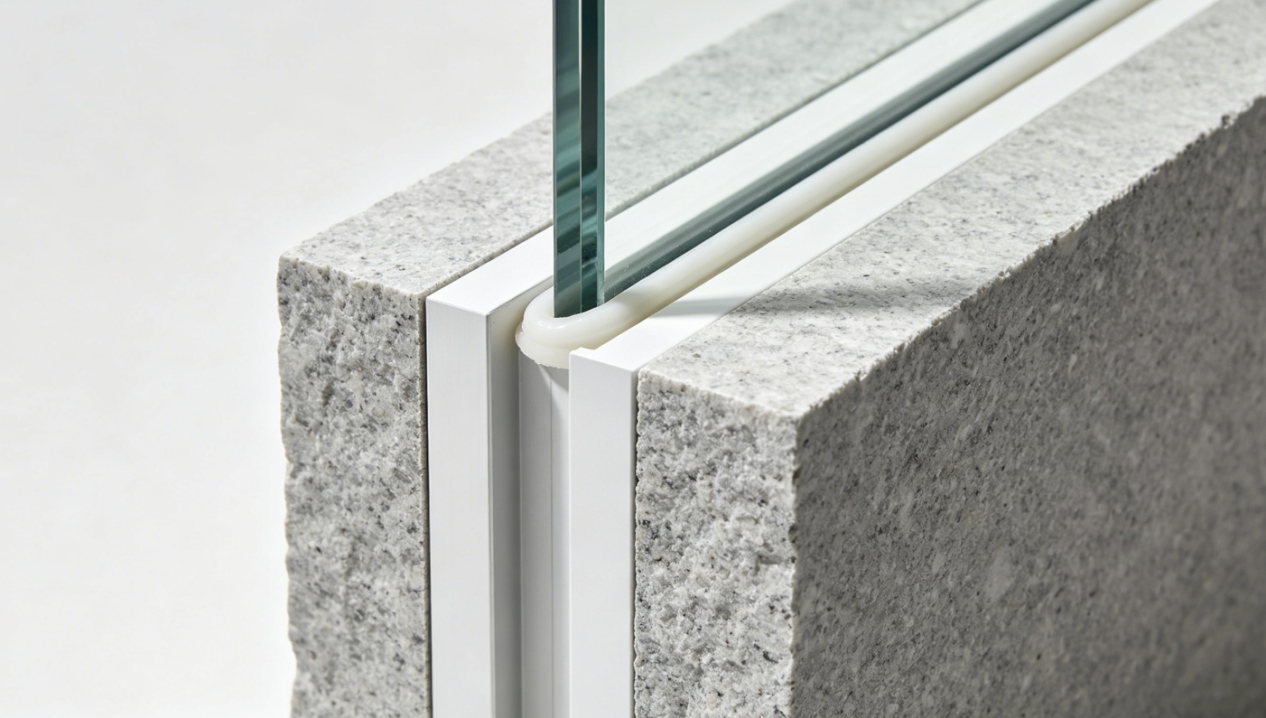
Securing the Building Envelope: Converting Empirical Benchmarks into Defensible Project Assurances
In conclusion, transforming empirical technical benchmarks into defensible project assurances represents the highest standard of corporate responsibility. International real estate developers and facade consultants require absolute transparency from their material supply chain partners to manage liabilities. Sourcing silicone solutions from an ISO-certified manufacturer significantly reduces operational risk and protects contractors from costly remediation work. Reputable companies build industry trust by providing open access to independent material characterization reports and comprehensive technical data sheets. Junbond demonstrates this commitment to engineering excellence through its massive manufacturing footprint, which includes seven advanced production bases covering 140,000 square meters. This extensive capacity allows the company to support high-volume global commercial developments while maintaining strict quality consistency.
By focusing entirely on verifiable mechanical performance parameters, procurement professionals can eliminate low-quality materials before they enter the jobsite supply chain. Selecting a high modulus neutral silicone that excels across all five technical benchmarks guarantees the structural integrity of modern high-rise facades. Ultimately, the invisible elastomeric bond determines the long-term safety and weatherproofing resilience of the global urban skyline.
For more information regarding industrial solutions, please visit: https://www.junbond.com/.
Post time: Jul-01-2026