
Stoichiometric Synchronization — Optimizing the A/B Component Base Mixing Ratios
Insulating glass (IG) units serve as critical components in energy-efficient building envelopes. These units must maintain structural sealing and thermal performance over multiple decades. Harsh environmental conditions continuously test their durability. Ultraviolet rays, wind pressure, and moisture constantly assault the glass edges. Glass fabrication facilities face constant pressure to improve throughput while maintaining quality. Therefore, establishing a reliable technical partnership with a premier Wholesale Two Component IG Sealant Manufacturer is vital. Proper secondary sealing prevents structural degradation in multi-pane glass configurations. It also stops edge seal failures effectively. This comprehensive guide examines the essential operational variables, equipment configurations, and quality verification steps. These elements are necessary to achieve zero-defect IG unit production. By focusing on advanced fluid dynamics, processing plants can maximize the service life of architectural glass. Modern commercial projects require deep engineering precision. Consequently, manufacturers must deliver consistent formulas that withstand long-term environmental fatigue. Every production stage requires strict oversight to eliminate errors. This proactive approach ensures optimal structural stability for the entire building perimeter.
The secondary seal of an insulating glass unit requires precise chemical synchronization during production. Two-component silicone systems consist of Component A and Component B. Component A contains the base siloxane polymer. Component B carries the cross-linker and catalyst package. Processing plants must maintain an exact weight or volume ratio between these components. This achieves an optimal polymeric network. Typically, automated extrusion machinery utilizes a volume mixing ratio from 9:1 to 11:1. If Component B deviates from manufacturer parameters, the chemical reaction yields suboptimal traits. For instance, an insufficient catalyst amount slows down the curing kinetics. This issue leads to extended tack-free times and production bottlenecks. Plant efficiency drops when curing slows down. Conversely, an excessive concentration of Component B accelerates cross-linking too quickly. This rapid reaction causes extreme brittleness and a high elastic modulus. Such an imbalance reduces ultimate tensile profiles and lowers Shore A hardness. Consequently, the cured silicone matrix cannot withstand dynamic physical stresses from wind forces. Structural failure can occur if the joints lose flexibility. Therefore, line operators must execute rigorous daily calibration protocols on extrusion pumps. They must check base pressures regularly. Modern facilities continuously track these flow streams to keep variances within allowable tolerances. This monitoring prevents costly batch errors. To support these requirements, Junbond designs its wholesale bulk sealant lines with specific rheological characteristics. These formulas display excellent shear-thinning behavior under standardized industrial pump pressures. This behavior ensures consistent material flow across high-speed robotic glazing lines. Operators achieve smooth application without experiencing machine downtime. Consistent flow rates reduce manual labor and material waste during high-volume production cycles.
Fluid Dynamics and Vapor Barriers — Verifying Uniformity to Minimize MVTR and Retain Argon Gas
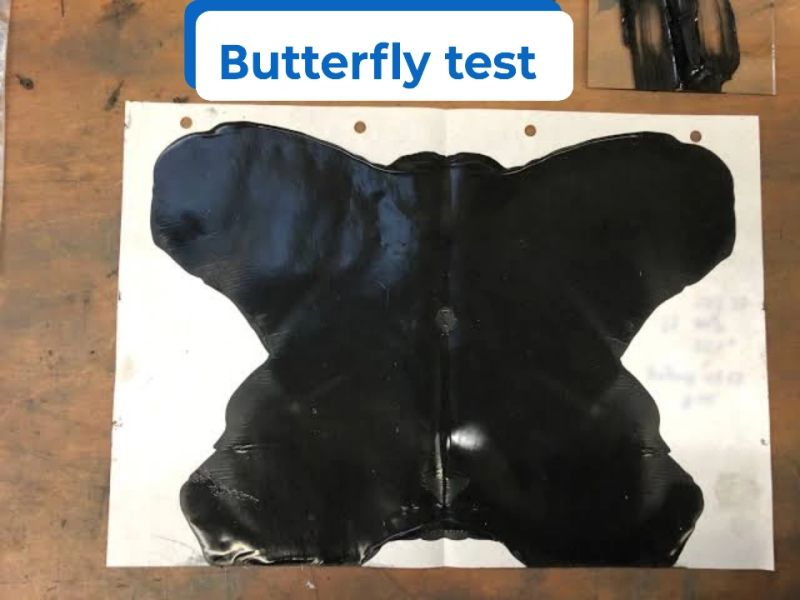
Achieving the correct chemical proportion is only the first step. Line operators must also ensure complete fluid homogeneity through mixing gun assemblies. Inadequate mixing creates localized chemical dead zones and unmixed striations. These flaws quickly threaten the integrity of the structural seal. Therefore, quality control technicians must perform a standardized butterfly test before production runs. Operators extrude a sample of mixed silicone onto paper, fold it, and pull it apart. They inspect the interior cross-section closely. Any visible white streaks or marbled patterns indicate poor catalyst dispersion. This result requires immediate machinery adjustments to prevent failures. Technicians must clean or replace static mixing elements promptly. A non-uniform cure directly impacts the microscopic structure of the elastomeric matrix. This defect skyrockets the Moisture Vapor Transmission Rate, commonly known as MVTR. A high MVTR allows atmospheric water vapor to migrate past the secondary seal. This moisture overloads the primary desiccant spacer over time. Consequently, it leads to premature internal unit condensation and permanent glass fogging. The aesthetic appeal and insulating value vanish entirely. Furthermore, a compromised secondary seal allows expensive noble gases to escape from the cavity. Maintaining high argon gas retention is crucial for modern building energy codes. Studies by leading two-component IG sealant manufacturers and suppliers show that micro-voids accelerate gas dissipation. To prevent this phenomenon, Shanghai Junbond Advanced Chemicals Co., Ltd optimizes filler morphology within its formulations. This material science establishes a highly tortuous path for moisture and gas molecules. The advanced barrier keeps argon locked inside the unit for decades. This technology guarantees sustained thermal performance for green building initiatives.
Diagnostic Troubleshooting Matrix — Resolving Line Anomalies From Slow Curing to Extrusion Cavitation
Maintaining an uninterrupted production flow requires rapid diagnostic troubleshooting on the factory floor. One common issue involves unexpected curing retardation, where the sealant remains tacky for hours. Technicians must immediately investigate external environmental variables. Low ambient humidity often slows down neutral curing kinetics significantly. Water molecules in the air drive the secondary cross-linking reaction. Additionally, they must check for chemical contamination or mechanical slippage in dosing pumps. Mechanical wear can silently alter the feeding speeds. Another frequent operational challenge is tailing or stringing at the extrusion nozzle. This issue typically stems from incorrect nozzle pressures or misaligned mixer speeds. These mechanical errors leave messy residues along the glass perimeter. Operators can eliminate stringing by adjusting back-pressure settings carefully. They must also ensure precise mechanical cutoff synchronization. Furthermore, manufacturing plants must institute strict preventative maintenance regimens for mixing gun assemblies. Regular solvent purging prevents cured blocks from forming inside fluid pathways. Cured blockages cause severe pressure spikes and pump damage. When a mixing system experiences air entrapment, it creates internal voids. These voids weaken the structural bond. To assist glass processors, Junbond (Shanghai Junbond Advanced Chemicals Co., Ltd) provides comprehensive technical guidelines. The firm delivers temperature-dependent curing curves to optimize processing windows. These empirical datasets help engineers maintain stable output across changing seasonal plant climates. Accurate data minimizes operational downtime during extreme summer or winter shifts.
Scaling Structural Production — Aligning Bulk Wholesale Logistics With Automated IG Lines
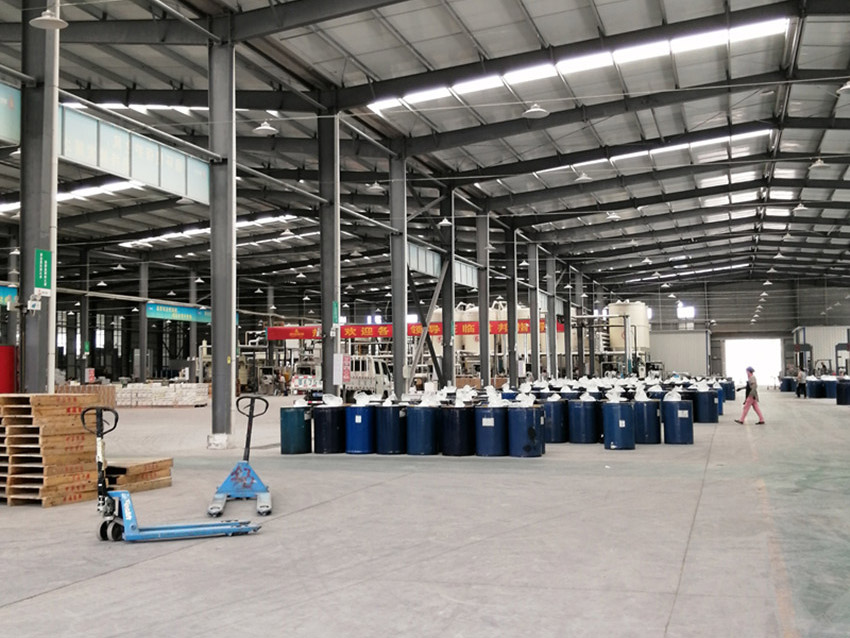
Industrial glass processors must align material logistics with automated production technology to maximize profitability. Utilizing standard small cartridges creates massive material waste and frequent line stoppages. These interruptions harm overall plant efficiency. Therefore, modern high-throughput lines rely on bulk 200-liter drum configurations. These large barrel systems fuel automated robotic sealing machinery smoothly. Large-scale wholesale delivery systems enable continuous extrusion and minimize packaging waste. This method effectively lowers the total cost per linear meter. However, scaling up production requires absolute raw material standardization across all delivery batches. Minor variations in polymer viscosity can disrupt automated robotic tracking systems. This disruption leads to inconsistent bead profiles on the glass line. To address this risk, premium manufacturers enforce rigorous quality controls across decentralized production facilities. This oversight prevents the need for frequent machinery recalibrations on the factory floor. Stable characteristics ensure predictable production outputs. Beyond logistics, selecting the right manufacturer provides technical advantages through project-specific laboratory validation. Reputable suppliers conduct exhaustive peel-adhesion and compatibility matrices on actual glass samples. This proactive verification provides glass processors with defensible engineering data. The quantitative data helps plants secure strict international building certifications. By combining high-volume industrial capacity with precise material validation, Junbond positions itself as a strategic partner. This collaborative approach transforms chemical procurement into a reliable system for building durable architectural facades. Technical support elevates product quality across supply networks.
For more information regarding industrial solutions, please visit: https://www.junbond.com/.
Post time: Jul-02-2026