
Selecting a quality window & door assembly sealant is essential for every building project. The right sealant increases durability by protecting windows and doors from harsh weather, water, and temperature changes. Many industry studies show that high-performance window & door assembly sealant options, such as silicone-based products, offer greater durability for active joints.
·High-quality window & door assembly sealant keeps windows and doors secure for longer.
·These sealants reduce the need for repairs and replacements by providing lasting durability.
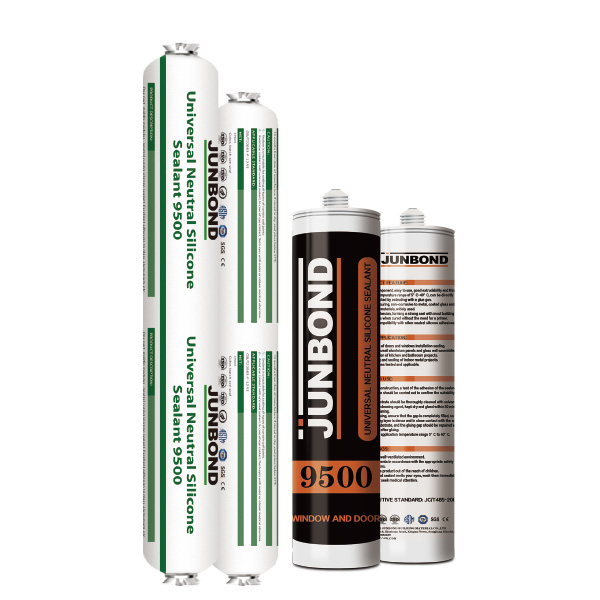
Junbond is a trusted brand known for reliable window & door assembly sealant solutions. Universal Neutral Silicone Sealant Junbond 9500 stands out for its excellent durability and compatibility with many materials. Avoiding common mistakes when choosing and applying a window & door assembly sealant ensures the best results for your project.
Key Features of a Window & Door Assembly Sealant
Adhesion and Compatibility
Adhesion is the most important property for any window and door assembly sealant. A strong bond keeps out water, air, and dust. Good adhesion means the sealant sticks well to surfaces like glass, metal, and plastic. Compatibility with different materials is also critical. If a sealant does not match the surface, it can lose grip, crack, or let water seep behind the trim. This can cause damage to the building over time.
Here is a table showing the main adhesion properties to consider:
| Attribute | Description |
|---|---|
| Flexibility | Refers to the hardness and joint movement of the sealant. |
| Durability | The ability to withstand heat, aging, discoloration, cracking, and chalking. |
| Adhesion | How well the sealant adheres to the building materials, requiring clean and dry surfaces for optimal results. |
A compatible sealant prevents problems at the joints between different materials. For example, a siliconized acrylic sealant works well with many surfaces, but a silicone sealant like Junbond 9500 offers even better performance. Neutral-curing silicone sealant can last over 20 years and protects against moisture and temperature extremes. Junbond 9500 is a neutral-curing, non-corrosive silicone sealant that bonds to glass, metal, and marble without causing damage. This makes it a reliable choice for both new construction and repairs.
Problems from poor compatibility include:
·Loss of adhesion at transitions
·Cracking from thermal movement
·Water intrusion behind trim
Siliconized sealants are also popular for their ease of use and broad compatibility. However, for the best long-term results, a high-quality silicone sealant like Junbond 9500 is recommended.
Weather and UV Resistance
Weather resistance is a key feature for any window and door assembly sealant. The sealant must withstand rain, wind, sunlight, and temperature changes. UV rays from the sun can break down some sealants, causing them to crack or fade. A good silicone sealant resists these effects and keeps its strength for many years.
Laboratory tests help measure weather and UV resistance. The table below shows two important tests:
| Test Name | Purpose |
|---|---|
| Accelerated Weathering Test | Evaluates sealants under extreme weather conditions, including UV exposure. |
| Movement Capability Test | Assesses the sealant’s ability to accommodate building movement, crucial for integrity. |
Silicone sealant stands out for its ability to handle extreme temperatures. For example, it can retain 75% of its original properties even after exposure to 180°C. Polyurethane sealants, by contrast, may break down at high temperatures. Junbond 9500 maintains its flexibility and performance from -50°C to 150°C, making it ideal for both hot and cold climates.
Flexibility and Movement
Flexibility is the ability of a sealant to stretch and move with the building. Windows and doors expand and contract as temperatures change. A flexible sealant prevents cracks and keeps the seal tight. The best window and door sealants have high flexibility ratings, which means they can handle a lot of movement without breaking.
The chart below shows the flexibility ratings for different classes of sealants:
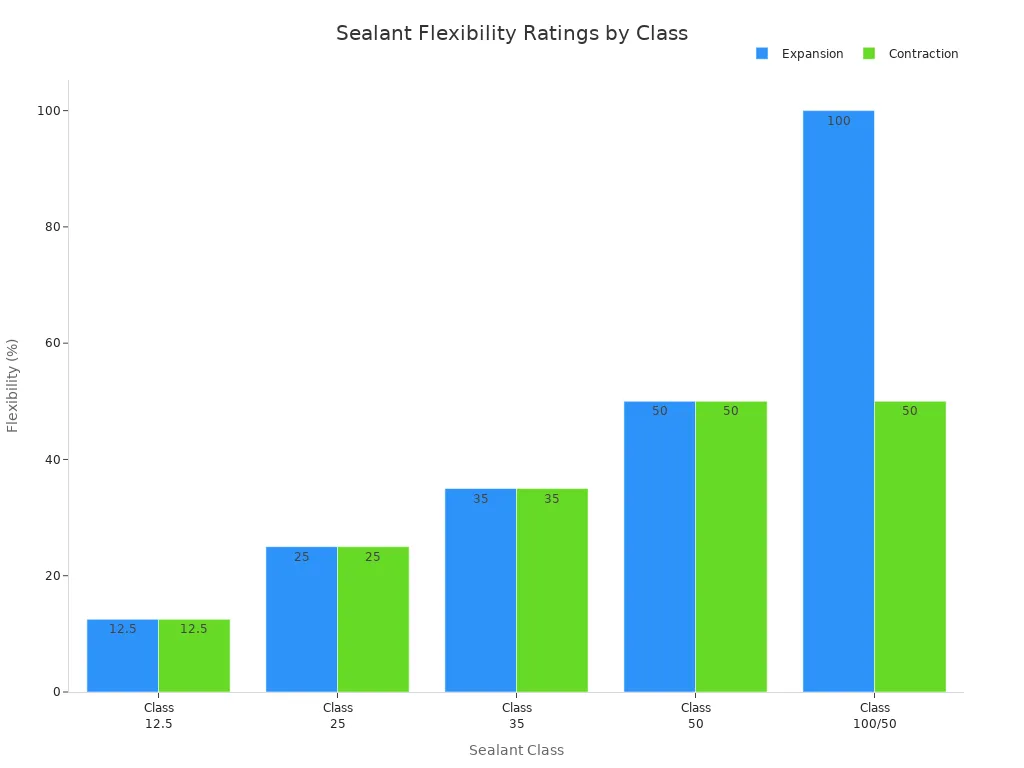
A Class 25 sealant can expand and contract by 25%. A Class 50 sealant can move by 50%. Junbond 9500 is a silicone sealant with excellent flexibility, making it suitable for joints that experience a lot of movement. Siliconized acrylic sealant also offers good flexibility, but pure silicone sealant provides the best long-term performance.
Curing and Odor
Curing is the process where the sealant changes from a paste to a solid, flexible material. The time it takes to cure depends on the type of sealant. Acetoxy-cure sealants cure quickly but release a strong vinegar-like odor. Neutral-curing silicone sealant, like Junbond 9500, takes about 48 hours to cure but does not produce strong smells. This makes it safer and more comfortable to use indoors.
Benefits of low-odor sealants include:
| Benefit | Description |
|---|---|
| Reduced Emissions | Low-VOC sealants emit fewer harmful compounds during application, improving air quality. |
| Safety for Installers and Occupants | Creates a safer environment in enclosed spaces for both those applying the sealant and those living in the area. |
Junbond 9500 is a neutral-curing silicone sealant with low odor, making it a user-friendly choice for homes, offices, and other indoor spaces.
Paintability and Color Options
Paintability is important for projects where appearance matters. Some sealants, like latex and hybrid types, can be painted after curing. This allows the sealant to blend with the wall or trim color. However, most silicone sealant products, including Junbond 9500, are not paintable. Instead, they come in a range of colors to match common building materials.
Here is a table showing how color options affect the look of a project:
| Color Options | Impact on Aesthetics |
|---|---|
| Blending Colors | Creates a seamless look, enhancing design continuity |
| Contrasting Colors | Can highlight joints, requiring additional painting |
Junbond 9500 is available in transparent, white, black, and grey, with custom colors available on request. This makes it easy to find a color that matches your project. Siliconized acrylic sealant is often chosen for its paintability, but for projects where durability and flexibility are most important, a high-quality silicone sealant is the best option.
Tip: Always check if your sealant is paintable before starting your project. If not, choose a color that matches your surfaces for the best results.
Choosing the Right Window and Door Sealant
Material and Surface Considerations
Selecting the right window and door sealant starts with understanding the materials involved. Each surface, such as vinyl, aluminum, wood, or masonry, reacts differently to sealant chemistry. The movement class of a sealant, based on ASTM C920 standards, helps match the joint width and expected movement. Exterior joints often require a movement class of 35 to 50. Chemistry matters as well. For example, 100% silicone sealant offers maximum durability, while siliconized acrylic works best for low-exposure interior trim. Paintable hybrids are useful when paint coverage is needed, but performance should not be sacrificed for paintability.
The table below summarizes key factors to consider:
| Factor | Description |
|---|---|
| Movement class (ASTM C920) | Match joint width and expected movement. Classes 35 to 50 are common for exteriors. |
| Chemistry | 100% silicone for maximum durability; paintable hybrid for paint coverage; siliconized acrylic for low-exposure interior trim. |
| Paintability vs. performance | Don’t trade durability for paint unless required. |
| Water or rain-ready | Specs range from 30-minute rain-ready to cold-weather rated. |
| Substrate compatibility | Verify adhesion to various materials like vinyl, fiber cement, masonry, etc. |
| Spec constraints | Some jobs need ASTM C920 silicone only. |
Junbond Universal Neutral Silicone Sealant Junbond 9500 stands out for its compatibility with a wide range of materials. It bonds well to glass, metal, marble, and coated surfaces. This makes it a reliable choice for both new installations and repairs. The product’s neutral-curing formula ensures no corrosion, even on sensitive substrates.
Tip: Always check the manufacturer’s recommendations for substrate compatibility before applying any window and door sealant.
Silicone Sealant vs. Other Types
Many types of sealant are available for window and door assembly. Each type has unique features and ideal use cases. The main options include silicone sealant, polyurethane, hybrid, and butyl rubber.
The table below compares these types:
| Sealant Type | Key Features | Ideal Use Cases |
|---|---|---|
| Polyurethane | Flexible, versatile, watertight, adheres well, less UV resistant than silicone | Exterior structures, sealing gaps and joints |
| Silicone | Waterproof, flexible, durable, resistant to moisture | Bathrooms, kitchens, outdoor areas |
| Hybrid (MS Polymer) | Combines flexibility of silicone with durability of polyurethane, low VOCs | Construction, renovation, exterior sealing |
| Butyl Rubber | High-performance, watertight, resistant to weather and chemicals | Exterior gutters, roofing, pipes, siding |
Silicone sealant is known for its outstanding flexibility and resistance to moisture. It remains stable in extreme temperatures and resists UV rays. Polyurethane is also flexible and watertight but may not last as long outdoors due to lower UV resistance. Hybrid sealants combine the strengths of silicone and polyurethane, offering good flexibility and low emissions. Butyl rubber provides excellent weather and chemical resistance, making it suitable for gutters and roofing.
Service life is another important factor. Silicone sealant can last over 20 years with proper application and maintenance. Polyurethane sealant usually lasts 5 to 10 years. Acrylic latex sealants may only last 3 to 7 years. Longer service life means fewer repairs and lower costs over time.
·Silicone sealant: 20+ years
·Polyurethane sealant: 5-10 years
·Acrylic latex: 3-7 years
Junbond 9500 is a premium silicone sealant. It offers superior durability, flexibility, and weather resistance. This makes it ideal for both indoor and outdoor window and door applications. The product’s neutral-curing formula ensures safe use on metals and other sensitive materials. Junbond 9500 is also available in multiple colors, making it easy to match with different surfaces.
When to Use Caulk
Caulk is another common choice for sealing windows and doors. Latex and acrylic latex caulks are easy to apply and can be painted. This makes them ideal for projects where appearance is important. Caulk is preferred when ease of application and paintability are required. For example, interior trim and areas that need to match wall color benefit from caulk.
However, caulk has limitations. It may not last as long as silicone sealant in outdoor or high-moisture environments. Over time, caulk can lose flexibility, leading to cracks and gaps. Silicone sealant provides better elasticity and water resistance. It is the best choice for areas exposed to frequent weather changes, such as exterior joints, kitchens, and bathrooms. Polyurethane sealant also offers good performance for exterior gaps and joints, but it does not match the longevity of silicone.
·Use caulk for interior trim and paintable surfaces.
·Choose silicone sealant for exterior joints, wet areas, and places needing long-term durability.
·Polyurethane is suitable for exterior gaps and joints but may require more frequent replacement.
Junbond 9500 is recommended for most window and door sealant needs. Its neutral-curing silicone formula ensures a strong, flexible, and long-lasting seal. The product is easy to apply and works well on a variety of materials. For projects where paintability is not required, Junbond 9500 provides the best combination of performance and reliability.
Note: Always select the window and door sealant that matches your project’s specific needs. Consider material compatibility, expected movement, and exposure to weather.
Application Tips for Sealant and Caulk
Surface Preparation
Proper surface preparation is the foundation for a long-lasting seal. Follow these steps for best results when sealing windows and doors:
1.Clean the surface with a compatible solvent. Use 70% isopropyl alcohol for non-oily residues or acetone for oily areas.
2.Wipe with one cloth soaked in solvent, then immediately dry with a clean cloth to avoid recontamination.
3.Prime the surface if recommended by the manufacturer. This step can improve adhesion.
4.Apply primer using a lint-free cloth or brush. Make sure the surface is dry and clean before priming.
5.Estimate the gap depth. If the gap is over ½ inch, use a backing rod to control the amount of sealant and help with curing.
Sealants bond best to clean, dry, and stable surfaces. Dust, oils, or moisture can prevent full adhesion. Poor preparation can lead to reduced adhesion, early bond failure, mildew growth, and water leaks behind trim.
Tip: Always check the surface for debris before applying Junbond Universal Neutral Silicone Sealant Junbond 9500.
Joint Sizing and Backer Rods
Joint size and the use of backer rods play a key role in the effectiveness of sealant. Select a backing rod that is 25–30% wider than the joint for closed cell types. For bi-cellular rods, choose one 25–50% wider. Insert the rod at the correct depth for a snug fit. This prevents movement during application and ensures proper sealant depth.
The joint width should be at least four times the expected movement. For joints 10mm or wider, a 2:1 width-to-depth ratio helps the sealant perform well under stress. Incorrect sizing can cause premature failure.
Closed cell backing rods are best for moisture resistance and durability.
Tooling and Finishing
Tooling shapes the sealant bead and improves adhesion. Use masking tape to protect nearby surfaces. Apply the sealant continuously with a caulking gun, filling the joint completely. Tool the sealant with light pressure before it skins over. Avoid liquid tooling aids, as they can affect curing.
Remove masking tape before the sealant skins. Use dry tooling for a flush joint and tool in both directions for a concave finish. Do not remove too much material, as this can weaken the seal. Proper tooling ensures the sealant can handle seasonal movement and weather changes.
Note: High-quality sealants like Junbond 9500 offer excellent gunnability and are easy to tool, making them ideal for both professionals and those learning how to apply caulk.
Avoiding Common Mistakes
Compatibility Errors
Choosing the right sealant for windows and doors is important for long-term mold protection and durability. Many common mistakes can be avoided by following a few simple steps:
1.Applying sealant to dirty or wet surfaces reduces adhesion. Always clean and dry all areas before sealing.
2.Improper joint size or shape can cause seal failure. Follow the 2:1 width-to-depth rule and use a backer rod.
3.Skipping the backer rod limits joint movement. Use a closed-cell backer rod sized 25–50% larger than the joint width.
4.Using the wrong sealant for the substrate leads to poor performance. Confirm compatibility with the material and select a sealant designed for exterior use.
5.Applying sealant in extreme temperatures can affect curing. Check the recommended temperature range before starting.
6.Not allowing the sealant to cure before exposure to weather can cause early failure. Protect new joints until fully cured.
Tip: Junbond Universal Neutral Silicone Sealant Junbond 9500 is compatible with many materials and performs well in a wide range of temperatures, making it a reliable choice for mold protection.
Over- or Under-Application
Applying too much or too little sealant can cause serious problems. Over-application may trap moisture, leading to mold growth and rot. Under-application leaves gaps that allow water to enter, reducing mold protection and risking structural damage. Both mistakes can weaken the window or door assembly and result in costly repairs. Always follow the manufacturer’s guidelines for bead size and joint filling to ensure proper mold protection.
Ignoring Curing Conditions
Curing is the process where the sealant hardens and forms a protective barrier. Ignoring curing conditions can lead to incomplete sealing and poor mold protection. Temperature, humidity, and exposure to water all affect curing. Make sure to keep the area dry and within the recommended temperature range until the sealant is fully cured. Junbond 9500 cures quickly at room temperature and releases low odor, making it easy to use in different environments.
Note: Proper curing ensures the sealant provides lasting mold protection and keeps windows and doors secure.
Why Choose Junbond 9500 Silicone Sealant
Product Benefits
Junbond Universal Neutral Silicone Sealant Junbond 9500 stands out for its high performance and reliability. This silicone sealant creates a strong, flexible bond that lasts for years. It resists weather, UV rays, and extreme temperatures. The neutral-curing formula prevents corrosion on sensitive surfaces like metal and marble. Junbond 9500 also releases very little odor during curing, making it safe for indoor use.
Key benefits include:
·Long-lasting durability in harsh conditions
·Excellent adhesion to glass, metal, and stone
·Non-corrosive and safe for many surfaces
·Low odor for comfortable application
Choosing a quality silicone sealant like Junbond 9500 helps protect your windows and doors from leaks and damage.
Versatile Applications
Junbond 9500 offers flexibility for many projects. This silicone sealant works well for sealing joints in windows, doors, and walls. It is also suitable for glazing glass, weatherproofing, and even interior decoration. The product performs in both hot and cold climates, from -50°C to 150°C after curing.
Common uses for Junbond 9500:
| Application Area | Example Uses |
|---|---|
| Exterior | Windows, doors, curtain walls |
| Interior | Cabinets, shower rooms, trim |
| Specialty Surfaces | Aluminum, marble, coated glass |
This silicone sealant adapts to many materials, making it a smart choice for both new construction and repairs.
User-Friendly Features
Junbond 9500 is designed for easy use by both professionals and DIYers. The silicone sealant has good extrusion properties, which means it flows smoothly from the cartridge. It comes in several colors, including transparent, white, black, and grey. Custom colors are also available. The product is easy to tool and shape, helping users achieve a neat finish.
User-friendly features:
·Simple application with standard caulking guns
·Multiple color options for design flexibility
·Low odor for indoor comfort
·Available in different package sizes
Junbond Universal Neutral Silicone Sealant Junbond 9500 combines quality, versatility, and ease of use. It is a top choice for anyone who wants reliable results with their window and door projects.
Selecting a high-quality window and door assembly sealant involves several important steps:
1.Compare sealant types like silicone, acrylic, and MS to match your project needs.
2.Check for neutral-cure formulas to protect sensitive surfaces.
3.Use proper tools and follow manufacturer instructions for best results.
4.Look for products that meet standards such as ASTM C920.
Junbond Universal Neutral Silicone Sealant Junbond 9500 offers reliable performance and long-lasting protection. Always follow best practices during application to ensure a secure and durable seal.
FAQ
What makes Junbond 9500 different from other sealants?
Junbond 9500 uses a neutral-curing silicone formula. It bonds to many surfaces without causing corrosion. This sealant resists weather, UV rays, and extreme temperatures. Professionals and DIYers choose it for its durability and easy application.
Can I use Junbond 9500 indoors and outdoors?
Yes, Junbond 9500 works well both indoors and outdoors. It seals windows, doors, and even shower rooms. The low odor and strong weather resistance make it a versatile choice for many projects.
How long does Junbond 9500 take to cure?
Junbond 9500 usually cures in about 48 hours at room temperature. The curing time may change with humidity and temperature. Always protect the sealed area until the sealant is fully cured.
Is Junbond 9500 available in different colors?
Junbond 9500 comes in transparent, white, black, and grey. Custom colors are also available by request. This helps match the sealant to your project for a clean, professional look.
Post time: Apr-07-2026