
Interfacial Chemistry Overviews — Decoupling MS Polymer Mechanics From Legacy PU and Silicone Systems
Modern architectural design frequently utilizes complex facade configurations that blend diverse materials like aluminum, glass, concrete, and natural stone. These building envelopes face severe environmental stresses, including rapid thermal shifts, continuous ultraviolet radiation, and driving rain. Choosing the correct joint sealing technology dictates the ultimate lifespan of these outer structures. Architects continually push the boundaries of geometric structural layouts, placing immense demands on flexible perimeter interfaces. Consequently, joint failure can result in extensive water leaks and structural decay. Project engineers must look beyond traditional single-chemistry materials to meet modern durability specifications. Selecting a premier Certified Elastic Hybrid MS Sealant Supplier allows procurement teams to secure advanced silane-terminated polyether technologies that overcome the historical limitations of legacy sealants. These modern hybrid systems merge the mechanical strength of polyurethanes with the exceptional long-term weatherability of premium silicone matrices.
Legacy polyurethane (PU) formulations often suffer from severe structural vulnerabilities when exposed to intense solar radiation over extended periods. Ultraviolet rays break down the internal carbamate linkages within the polyurethane chain, causing the material to harden, crack, and lose its original elastic memory. This chemical breakdown leads to premature cohesive failure within perimeter window joints. On the other hand, traditional structural silicones offer excellent UV stability but carry severe limitations regarding surface coating compatibility. Standard silicones possess very low surface energy, which prevents architectural paints from wetting the cured surface properly. Any attempt to paint over a silicone joint results in immediate fluid bead-up, severe wrinkling, and complete film delamination. Modified silicone (MS) polymers solve these conflicting engineering challenges through their unique hybrid macromolecular architecture. Junbond optimizes these polyether backbones to deliver high cross-link densities without relying on unbonded hazardous ingredients. The resulting elastomeric matrix retains its flexible elongation traits across wide temperature ranges, resisting both the reversion common in polyurethanes and the adhesion limitations of legacy materials.
Aesthetic Security Gates — Preventing Fluid Migration on Porous Natural Stone and Optimizing Over-Paintability
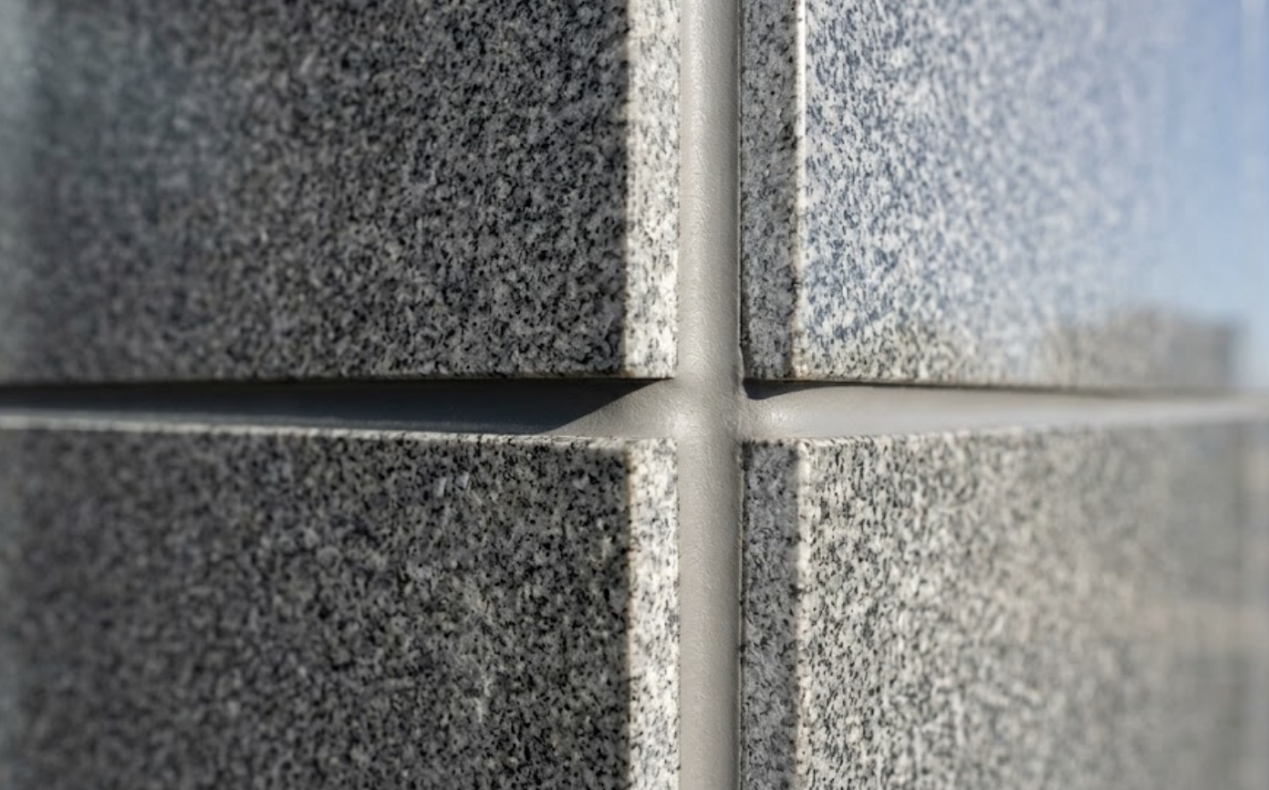
Architectural aesthetics demand pristine exterior surfaces, particularly when utilizing high-end porous substrates such as Italian marble, granite, or decorative limestone panels. Traditional commercial sealants frequently include low-cost silicone oils or unrefined liquid plasticizers to artificially boost movement capabilities. Over time, capillary forces drive these unbonded chemical extenders out of the cured seal and deep into the surrounding mineral pores. This fluid migration produces permanent, oily dark staining along the joint edges that attracts atmospheric dust and pollutants. Cleaning this deeply embedded contamination is practically impossible without dismantling the facade panels entirely. Stained exterior surfaces harm the commercial valuation of real estate assets. For this reason, modern project specifiers strictly forbid the use of low-tier formulations on prestige developments. Advanced hybrid technology eliminates this severe cosmetic risk completely. Because MS polymers do not contain free-floating silicone oils, they show complete resistance to substrate bleeding and capillary migration.
In addition to providing non-staining security, cured hybrid polymers exhibit excellent surface thermodynamic properties that support modern over-paintability requirements. The silane-terminated polyether matrix creates a high surface energy exterior that accommodates water-based acrylics and alkyd coatings flawlessly. Painters can apply standard exterior coatings directly over the cured joint without experiencing cracking or adhesion loss. This compatibility allows architects to achieve completely seamless color harmony across complex window perimeters and structural facade boundaries. To ensure these performance metrics, Shanghai Junbond Advanced Chemicals Co., Ltd utilizes advanced automated compounding processes that strictly regulate molecular weight distribution. This meticulous manufacturing approach stabilizes the polymer matrix, preventing the release of oily compounds even under extreme environmental exposure. Consequently, the finished joints maintain pristine visual lines while delivering robust mechanical protection against water infiltration.
Regulatory Compliance Audits — Verifying Low-VOC Environmental Certifications and Dynamic Movement Capabilities
Overseas procurement managers must navigate strict international green building regulations when selecting materials for commercial construction. Modern environmental frameworks like LEED, BREEAM, and the European EMICODE standard mandate low levels of volatile organic compounds (VOCs) to safeguard air quality. Traditional polyurethane sealants frequently contain residual isocyanates and solvents that release harmful gasses into the atmosphere during the curing process. These emissions complicate regulatory compliance and create health hazards for installation crews working in confined spaces. Green construction guidelines actively shape modern purchasing strategies across global supply lines. Choosing compliant adhesives directly improves indoor environment scores. Therefore, rigorous verification of eco-friendly testing profiles represents a non-negotiable step during supplier audits. Discerning buyers focus on advanced environmentally friendly home decoration MS silicone sealant products that meet stringent global chemical restrictions.
Beyond environmental certification, engineering teams must evaluate the verified displacement thresholds of the hybrid formulation under dynamic mechanical testing. Facade joints expand and contract continuously due to daily solar heating and seasonal cooling cycles. A high-performance hybrid sealant must possess a certified movement capability of Class 20 or Class 25 under international testing frameworks. This classification means the material can withstand repetitive stretching or compression up to twenty-five percent of its original joint width without tearing. To satisfy these rigorous criteria, Junbond (Shanghai Junbond Advanced Chemicals Co., Ltd) subjects its hybrid product lines to exhaustive independent laboratory testing. The resulting data sheets verify low-emission parameters alongside exceptional fatigue resistance, providing developers with clear evidence for local building inspections. These transparent certifications streamline the material submittal process and prevent costly compliance delays on-site.
Mitigating Multi-Substrate Fatigue — Engineering Reliable Joint Design With Certified Hybrid Technology
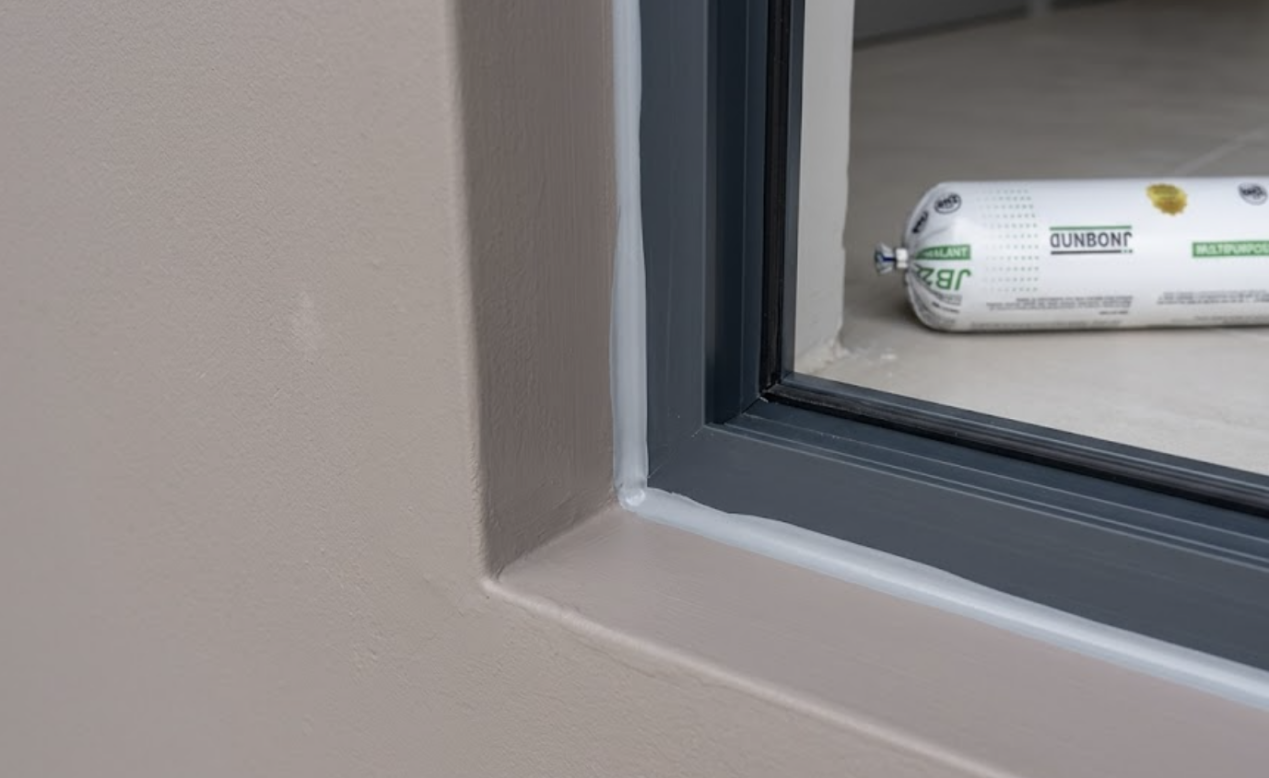
Real-world window installations present complex bonding challenges because joints typically bound multiple heterogeneous materials simultaneously. For example, a single perimeter seal might contact anodized aluminum frames, unplasticized polyvinyl chloride (uPVC) profiles, porous masonry blocks, and dense concrete structural elements. Each of these materials exhibits a completely different coefficient of thermal expansion, meaning they expand and contract at completely different rates during temperature shifts. This differential movement creates complex multi-axial shear stresses within the sealant joint, threatening to pull the adhesive away from the substrate walls. Traditional materials often require specialized, labor-intensive surface primers to secure adequate adhesion on such diverse surfaces. Hybrid MS technology minimizes these installation steps by offering exceptional primerless adhesion to a broad spectrum of porous and non-porous substrates.
The specialized molecular structure of the hybrid polymer contains built-in silane coupling agents that establish rapid chemical bonds with target surfaces upon exposure to ambient moisture. This primerless execution saves significant labor costs on the construction site and eliminates the risk of incorrect primer application by installation crews. Furthermore, the material maintains its elastic memory under continuous physical loading, absorbing differential movements smoothly without transferring excessive stress to the bond line. Proactive engineering consultation reduces mechanical risks before installation crews break ground. Factory technicians provide vital support by analyzing joint configurations under simulated wind conditions. Junbond supports global facade processors by offering custom substrate compatibility testing and technical consultations tailored to specific regional climates. This comprehensive factory support ensures that large-scale infrastructure projects receive materials optimized for their unique structural configurations. By combining large volume production stability with deep material science capabilities, the enterprise delivers reliable sealing systems that protect modern skyscrapers from long-term environmental fatigue. Sourcing from an established hybrid manufacturer allows international buyers to construct sustainable, resilient building envelopes with total confidence.
For more information regarding industrial solutions, please visit: https://www.junbond.com/.
Post time: Jun-28-2026