
Weatherproof silicone sealant often stands out as the best choice for many sealing projects because it resists weather, stays flexible, and bonds well to different materials. Choosing the right sealant depends on several factors, such as adhesion, flexibility, curing time, durability, and user preferences.
| Factor | Description |
|---|---|
| Adhesion | Bonds to surfaces like metal, glass, and plastic to prevent leaks. |
| Flexibility | Expands and contracts with temperature changes. |
| Curing Time | Drying speed affects reliability and longevity. |
| Durability | Long-lasting sealants help avoid future issues. |
| User Preferences | Easy application and clear instructions matter. |
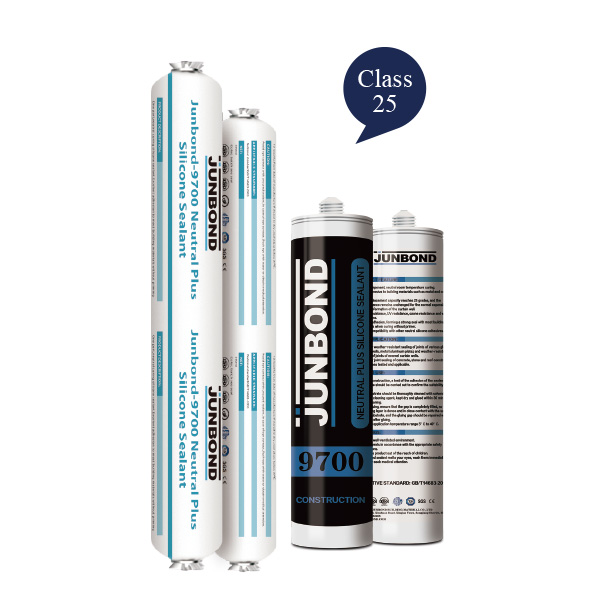
For those seeking a dependable silicone option, Junbond JB9700 delivers proven results in demanding conditions.
What Is Weatherproof Silicone Sealant
Key Properties and Composition
A weatherproof silicone sealant stands out as a high-performance silicone sealant designed to protect surfaces from harsh environmental conditions. Junbond JB9700 Neutral Plus Weatherproof Silicone Sealant serves as a prime example of this technology. This sealant uses a unique blend of silicone polymers, fillers, and curing agents. The composition gives it excellent adhesion, flexibility, and resistance to weather changes. Unlike polyurethane sealants, which are organic, silicone sealants are inorganic. This difference allows silicone to resist ultraviolet rays and aging much better, making it ideal for exterior applications.
Junbond JB9700 features a neutral cure system. This means it does not release strong odors during application, making it suitable for indoor use. The non-slump property ensures the sealant stays in place on both vertical and horizontal joints. Users can apply it without worrying about sagging or running. The product also bonds well with materials like metal, glass, and stone tiles. Its waterproof and UV-resistant qualities help it last longer in both interior and exterior projects.
Common Uses
Weatherproof silicone sealant finds use in many residential and commercial settings. People often use it to seal around windows and doors, protecting joints from rain and wind. In kitchens and bathrooms, it prevents water from leaking around sinks, tubs, and showers. The sealant also works well for gasket-making and fixing leaks in automotive and marine equipment. Electronics manufacturers use it to shield components from moisture and dust. In food-related areas, such as kitchens and refrigeration units, this sealant helps maintain hygiene and prevent water intrusion.
Junbond JB9700 meets the needs of both homeowners and professionals. Its versatility and strong performance make it a trusted choice for exterior and interior sealing tasks.
Types of Sealants Compared
Acrylic Sealants
Acrylic sealants offer a budget-friendly option for many indoor projects. They work well for sealing gaps around baseboards, trim, and drywall. Homeowners often choose acrylic products because they clean up easily with water and accept paint after curing. However, acrylic sealants do not perform as well in wet or outdoor environments. Their flexibility and waterproofing are limited compared to silicone-based options.
| Property | Acrylic Caulk | 100% Silicone |
|---|---|---|
| Waterproofing | Fair (water-resistant) | Excellent (waterproof) |
| Flexibility | Limited (±7.5-12.5%) | Excellent (±25-50%) |
| Durability | 5-10 years | 20-30+ years |
| UV Resistance | Good indoors | Excellent |
| Best For | Interior trim | Wet areas, exterior |
Tip: For areas exposed to moisture or sunlight, a weatherproof silicone sealant like Junbond JB9700 provides longer-lasting protection.
Polyurethane Sealants
Polyurethane sealants stand out for their strong adhesion and toughness. Builders use them for expansion joints, concrete repairs, and exterior siding. These sealants resist abrasion and can handle some movement, but they lose flexibility over time. When compared to silicone, polyurethane sealants show lower elastic recovery and less adhesion retention after many years.
| Property | Silicone | Polyurethane |
|---|---|---|
| Adhesion retention | Excellent | Poor |
| Elastic recovery | Excellent (100%) | Moderate |
| Flexibility (40 yrs) | High | Low |
Silicone sealants, such as Junbond JB9700, maintain their flexibility and adhesion for decades, making them a better choice for long-term weatherproofing.
Butyl Rubber and Other Alternatives
Butyl rubber sealants create airtight and watertight seals. They work well for roofing, flashing, and industrial uses. These products resist UV rays, chemicals, and outdoor conditions. However, butyl sealants can be difficult to remove and may leave residue. They also have limited resistance to high temperatures and chemical corrosion.
| Advantages of Butyl Tape | Description |
|---|---|
| Handles High Heat Without Breaking Down | Maintains integrity under high temperatures |
| Creates Airtight, Watertight Seals | Prevents leaks and damage |
| Resists Solvents, Oils, and Chemicals | Suitable for industrial environments |
| Stays Flexible and Durable Outdoors | Adapts to surface changes |
| Stands Up to UV Rays and Weather | Excellent for outdoor projects |
Note: For projects that demand easy application, long-term flexibility, and superior weather resistance, a silicone sealant like Junbond JB9700 remains a top choice.
Pros of Weatherproof Silicone Sealant
Durability and Longevity
Weatherproof silicone sealant stands out for its impressive durability. Many high-performance options last between 10 to 20 years under optimal conditions. In harsh outdoor environments, these products often maintain their seal for 5 to 10 years. Some silicone sealants with advanced UV resistance can even protect exterior surfaces for up to 25 years. This long lifespan helps reduce the need for frequent repairs and keeps structures safe from leaks.
·High-quality silicone sealants: 10–20 years (optimal conditions)
·Outdoor use: 5–10 years (harsh weather)
·Advanced UV-resistant silicone: up to 25 years (exterior applications)
Flexibility and Movement
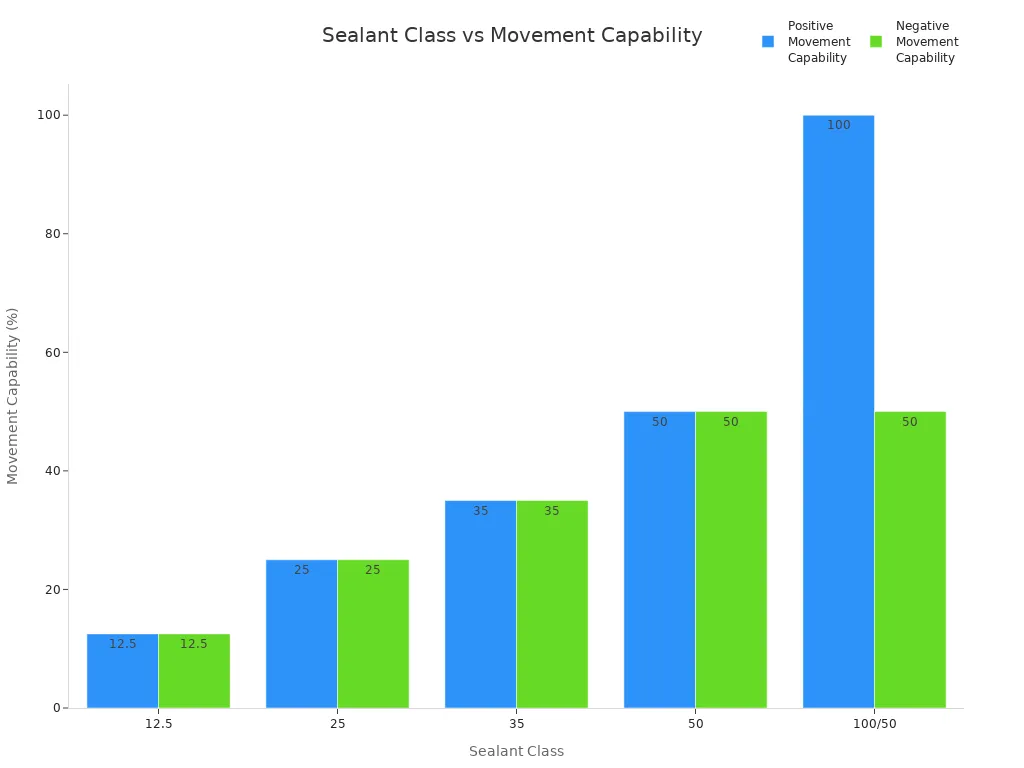
Silicone sealant provides excellent flexibility, which allows it to handle expansion and contraction in building joints. This flexibility is especially important in areas that experience temperature changes or movement. The following table compares flexibility and durability among common sealant types:
| Sealant Type | Flexibility | Durability | Ideal Applications |
|---|---|---|---|
| Weatherproof Silicone | High | Superior | High-movement joints, wet areas |
| Polyurethane | Moderate | High | Outdoor, high-traffic areas |
| Acrylic Latex | Low | Moderate | Indoor, low movement areas |
Silicone remains the top choice for joints that need to move without losing their seal.
Weather and UV Resistance
Silicone sealant offers outstanding resistance to weather and UV rays. It can endure more than ten years of sun exposure without breaking down. Acrylic sealants may crack and lose up to half their adhesive strength within six months of UV exposure. Polyurethane sealants do not match the UV resistance of silicone. Tests by the National Institute of Standards and Technology show that silicone keeps 95% of its elasticity after 20 years of UV exposure. This performance makes it ideal for exterior applications.
Tip: For projects exposed to sunlight and changing weather, Junbond JB9700 delivers reliable, long-lasting protection.
Mold and Mildew Resistance
Weatherproof silicone sealant is mold and mildew resistant. This feature is crucial in high-moisture environments like kitchens and bathrooms. It helps maintain cleanliness and prevents unsightly stains, making it a preferred choice for areas that need to stay hygienic.
Material Compatibility
Silicone sealant bonds well with a wide range of building materials. It works on coated glass, galvanized steel, masonry, and both porous and nonporous surfaces. This compatibility ensures strong adhesion and lasting performance across many project types. Junbond JB9700, for example, provides excellent results on both interior and exterior surfaces.
Cons of Weatherproof Silicone Sealant
Application and Surface Prep
Applying weatherproof silicone sealant requires careful surface preparation. Many installers rush or skip this step, which leads to poor adhesion. Contaminants such as oil, dust, and moisture can weaken the bond. Removing old caulk completely is necessary before applying new sealant. Environmental factors like temperature and humidity also affect performance. These challenges make proper preparation essential for a lasting seal.
·Rushed surface prep reduces adhesion.
·Oil, dust, and moisture weaken the bond.
·Old caulk must be removed for best results.
·Temperature and humidity impact curing.
Note: Choosing a high-quality product like Junbond JB9700 can help ensure reliable results, but users must follow proper preparation steps.
Paintability
Paintability remains a concern for many users. Most acrylic sealants and siliconized acrylic caulk accept paint well, making them suitable for projects where color matching matters. In contrast, pure silicone sealant does not accept paint, which limits its use in visible areas.
| Sealant Type | Paintability |
|---|---|
| Acrylic | Excellent |
| Siliconized Acrylic | Excellent |
| 100% Silicone | Poor to None |
When to use caulk depends on whether the surface needs painting after sealing. For projects where paintability is important, acrylic options may be preferable.
Cost Factors
Weatherproof silicone sealant often costs more than acrylic or polyurethane alternatives. The higher price reflects its durability and performance, but budget-conscious users may choose less expensive caulk for simple indoor tasks. Investing in premium products like Junbond JB9700 can save money over time by reducing repairs and replacements.
Adhesion Limitations
Silicone sealant works well for many applications, but it has limitations. It does not suit large area waterproofing because coverage becomes impractical. Below-grade waterproofing requires specialized systems, as standard silicone fails under constant moisture and pressure. Structural waterproofing for bridges and tunnels needs engineering-grade solutions. Traffic-bearing surfaces demand rigid materials, since silicone cannot support heavy loads.
·Not suitable for large flat areas.
·Fails under constant moisture and hydrostatic pressure.
·Not recommended for structural waterproofing.
·Cannot support foot or vehicle traffic.
Tip: Always match the sealant type to the project requirements for best results.
Weatherproof Silicone Sealant vs. Alternatives
Durability and Lifespan
Durability plays a key role when choosing a sealant for long-term projects. Weatherproof silicone sealant stands out for its impressive lifespan and resistance to harsh conditions. The following table shows how different sealants compare in real-world applications:
| Sealant Type | Lifespan | Characteristics |
|---|---|---|
| Weatherproof Silicone | Up to 50 years | Superior UV resistance, ideal for exterior use |
| Polyurethane | Up to 25 years | Expands after application, good insulation |
| Butyl Rubber | 8 to 12 years | Elastic but becomes brittle over time |
| Acrylic | Less durable | Primarily for interior applications, less lifespan |
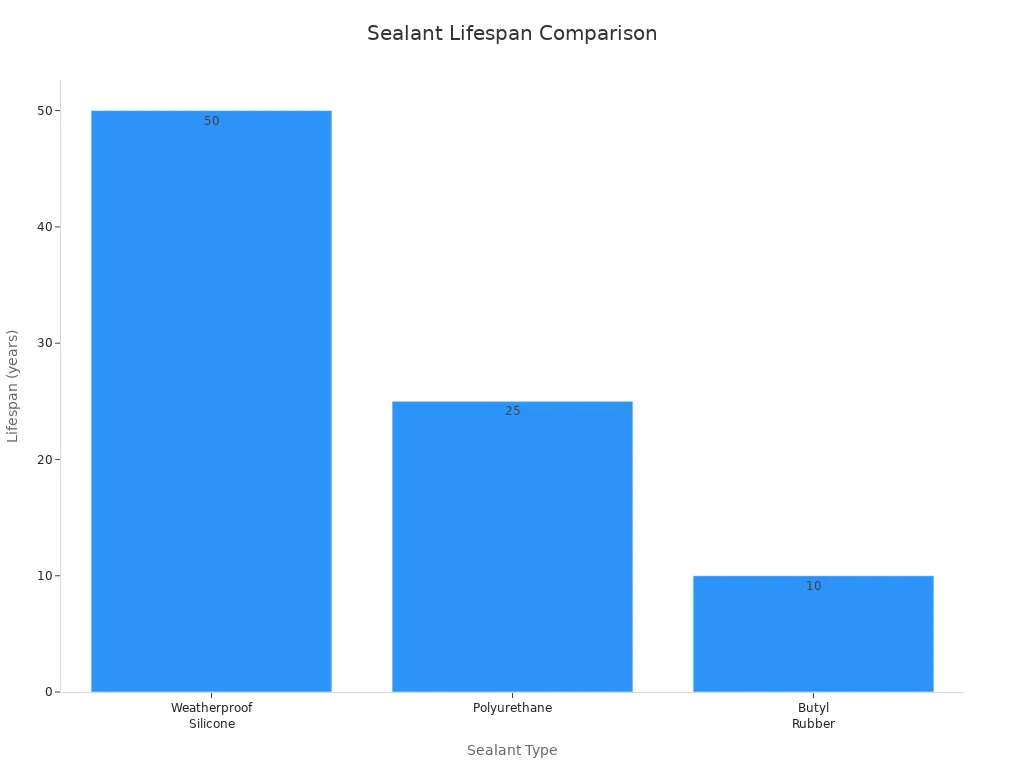
Silicone sealant, such as Junbond JB9700, can last up to 50 years. Polyurethane sealants offer a lifespan of up to 25 years, while butyl rubber sealants last between 8 and 12 years. Acrylic caulk is less durable and works best indoors. For exterior projects that demand long-term performance, silicone remains the top choice.
Flexibility and Weatherproofing
Flexibility helps a sealant handle movement in building joints caused by temperature changes or settling. Weatherproof silicone sealant provides excellent flexibility, allowing it to expand and contract without cracking. This property makes it ideal for areas exposed to weather, such as windows, doors, and roofing.
·Silicone maintains elasticity for decades, even after repeated stretching.
·Polyurethane offers moderate flexibility but may lose elasticity over time.
·Butyl rubber stays flexible at first but becomes brittle as it ages.
·Acrylic caulk has limited flexibility and may crack in high-movement areas.
Silicone also resists UV rays, rain, and temperature extremes. This weatherproofing ability protects surfaces from leaks and damage. Junbond JB9700 delivers reliable performance in both hot and cold climates, making it suitable for a wide range of exterior applications.
Ease of Use and Cleanup
Ease of use matters for both professionals and DIY users. Each sealant type has its own strengths and challenges:
·Acrylic caulk applies easily, cleans up with water, and works well for minor gaps. However, it does not perform well in wet or outdoor environments.
·Silicone sealant, like Junbond JB9700, offers high durability and flexibility. It excels in moisture and temperature extremes. Application requires careful technique for a neat finish. Cleanup is more difficult, and the product is not paintable. Curing time is longer than acrylic caulk.
·Polyurethane and butyl rubber sealants can be sticky and harder to tool. They may require solvents for cleanup.
Tip: For projects where moisture resistance and long-term protection matter most, silicone sealant is worth the extra effort during application.
Cost and Value
Cost often influences the choice of sealant. Weatherproof silicone sealant usually costs more upfront than acrylic or polyurethane options. However, its long lifespan and minimal maintenance needs provide better value over time. Over a 10-year period, silicone coatings can reduce energy costs by 10% to 35% each year. This makes them a cost-effective solution for both homeowners and businesses.
Acrylic caulk may seem budget-friendly at first, but frequent repairs and replacements increase long-term costs. Polyurethane and butyl rubber sealants fall between acrylic and silicone in both price and durability.
Note: Investing in a premium product like Junbond JB9700 can save money and effort in the long run, especially for exterior projects that face harsh weather.
Practical Examples
Use weatherproof silicone sealant for exterior windows, doors, roofing, and areas exposed to sun or rain.
Choose acrylic caulk for interior trim, baseboards, and areas that need painting.
Select polyurethane for expansion joints in concrete or masonry.
Pick butyl rubber for temporary repairs or industrial settings where chemical resistance is needed.
Junbond JB9700 stands out as a reliable choice for demanding projects that require superior durability, flexibility, and weatherproofing.
When to Use Waterproof Silicone Sealant
Best Applications
Waterproof silicone sealant performs best in environments that demand flexibility, durability, and strong weather resistance. Many professionals choose it for projects exposed to harsh weather or frequent moisture. Some of the most effective uses include:
·Sealing around sinks in kitchens and bathrooms, where water exposure is constant.
·Protecting joints in high moisture areas such as showers, bathtubs, and laundry rooms.
·Creating watertight seals on roofs, gutters, and exterior windows, especially in regions with heavy rainfall or ponding water.
·Ensuring long-lasting protection for HVAC systems and refrigeration units, which face temperature extremes.
·Shielding surfaces from UV rays, snow, and hail, as silicone remains flexible and resists cracking or discoloration.
Junbond JB9700 stands out as a dependable choice for both indoor and outdoor projects. Its ability to withstand temperatures from -50℃ to +200℃ and its resistance to UV damage make it suitable for year-round protection. Homeowners and professionals often rely on this product for its seamless, waterproof layer that reduces the need for frequent maintenance.
Tip: For any area that faces water, temperature changes, or direct sunlight, waterproof silicone sealant offers superior longevity and performance.
When to Choose Alternatives
Some situations call for a different type of sealant. Alternatives may work better when:
·The project requires a paintable surface, since standard silicone does not accept paint.
·Construction involves high-traffic zones where polyurethane sealants provide greater strength and abrasion resistance.
·Sealing dissimilar materials that expand and contract at different rates, where hybrid polymers or polyurethane offer better adhesion.
·The environment contains harsh chemicals or demands even higher UV resistance, making hybrid polymers a preferred option.
Acrylic sealants remain popular for interior trim and areas that need painting. Polyurethane works well for expansion joints in concrete or masonry. Butyl rubber suits temporary repairs or industrial settings. Choosing the right sealant depends on the specific needs of the project.
Note: Always match the sealant to the job for the best results. For most kitchen and bathroom projects, as well as exterior sealing, Junbond JB9700 provides reliable, long-term protection.
Why Choose Junbond JB9700
Unique Features
Junbond JB9700 stands out in the world of weatherproof silicone sealants. It offers a combination of advanced technology and practical benefits that make it a top choice for both professionals and homeowners. The following table highlights what sets Junbond JB9700 apart from other sealants:
| Feature | Description |
|---|---|
| Neutral Curing Mechanism | Releases no strong odors, making it safe for use in kitchens, bathrooms, and confined spaces. |
| Excellent Adhesion | Bonds securely to metal, glass, stone tiles, and many construction materials. |
| Environmental Resistance | Withstands weathering, ozone, UV rays, freeze-thaw cycles, and airborne chemicals. |
| Non-Corrosive | Does not cause corrosion or discoloration on metals or coated glass. |
| Non-Slump Characteristics | Stays in place on vertical and horizontal joints without sagging. |
| Compatibility | Works well with other neutral curing silicone sealants and structural systems. |
These features help Junbond JB9700 deliver reliable, long-lasting seals in a wide range of environments. Its neutral curing system ensures a pleasant application experience, while its strong adhesion and resistance to harsh conditions make it suitable for demanding projects.
Customer Experiences
Customers consistently report high satisfaction with Junbond JB9700. Many users praise its effectiveness and reliability in both indoor and outdoor applications. The table below summarizes common feedback:
| Rating | Feedback |
|---|---|
| 5.0/5.0 | High level of satisfaction with effectiveness and reliability. |
| N/A | Good quality, reasonable prices, rich variety, and excellent after-sales service. |
| N/A | Customer service staff show sincere and timely support. |
Many customers appreciate the product’s quality and the helpful support team. These positive experiences show that Junbond JB9700 not only performs well but also comes with dependable service.
Choosing Junbond JB9700 means selecting a sealant trusted by professionals and homeowners alike. Its unique features and strong customer reviews make it a smart choice for any sealing project.
Choosing the right sealant depends on project needs. The table below highlights key advantages and disadvantages:
| Sealant Type | Advantages | Disadvantages |
|---|---|---|
| Silicone | Flexibility, weatherproof | Poor paintability |
| Polyurethane | Strong adhesion | Less flexible |
| Butyl Rubber | Waterproofing | Less durable in extremes |
| Acrylic | Easy to paint over | Less flexible, may crack |
Many experts recommend waterproof silicone sealant for exterior projects needing flexibility and durability. Junbond JB9700 stands out as a trusted choice. Always match the sealant or caulk to the job for best results.
FAQ
What surfaces can weatherproof silicone sealant bond to?
Weatherproof silicone sealant bonds to glass, metal, stone, ceramic, and many plastics. It works well on both porous and nonporous surfaces. Junbond JB9700 offers excellent adhesion for most construction materials.
Can you paint over weatherproof silicone sealant?
Most weatherproof silicone sealants, including Junbond JB9700, do not accept paint. For projects that require painting, acrylic or siliconized acrylic caulk works better.
How long does Junbond JB9700 last after application?
Junbond JB9700 provides a long-lasting seal. Many users report effective performance for 20 years or more, even in harsh outdoor conditions.
Is weatherproof silicone sealant safe for kitchens and bathrooms?
Yes. Neutral cure silicone sealants like Junbond JB9700 release no strong odors and resist mold. They work well in kitchens, bathrooms, and other areas with high moisture.
Tip: Always follow the manufacturer’s instructions for best results and maximum durability.
Post time: Apr-20-2026