
Global construction supply chains converge at massive international exhibitions to identify resilient materials that withstand diverse geographic challenges. Events like the Canton Fair in Guangzhou and The Big 5 exhibition in Dubai bring together leading engineering consultants, glass fabricators, and commercial distributors. These professionals require high-performance glazing solutions that deliver immediate structural handling strength. Meeting these demands requires deep chemistry expertise and robust manufacturing standards. Consequently, working with an established Certified Fast Curing Acetoxy Silicone Supplier allows global buyers to eliminate project bottlenecks across shifting climate boundaries. This technical press release evaluates the core chemical innovations and mechanical validation procedures that ensure joint integrity under high-stress conditions. By examining processing dynamics, procurement teams can safely bridge the gap between large-scale sourcing and on-site performance.
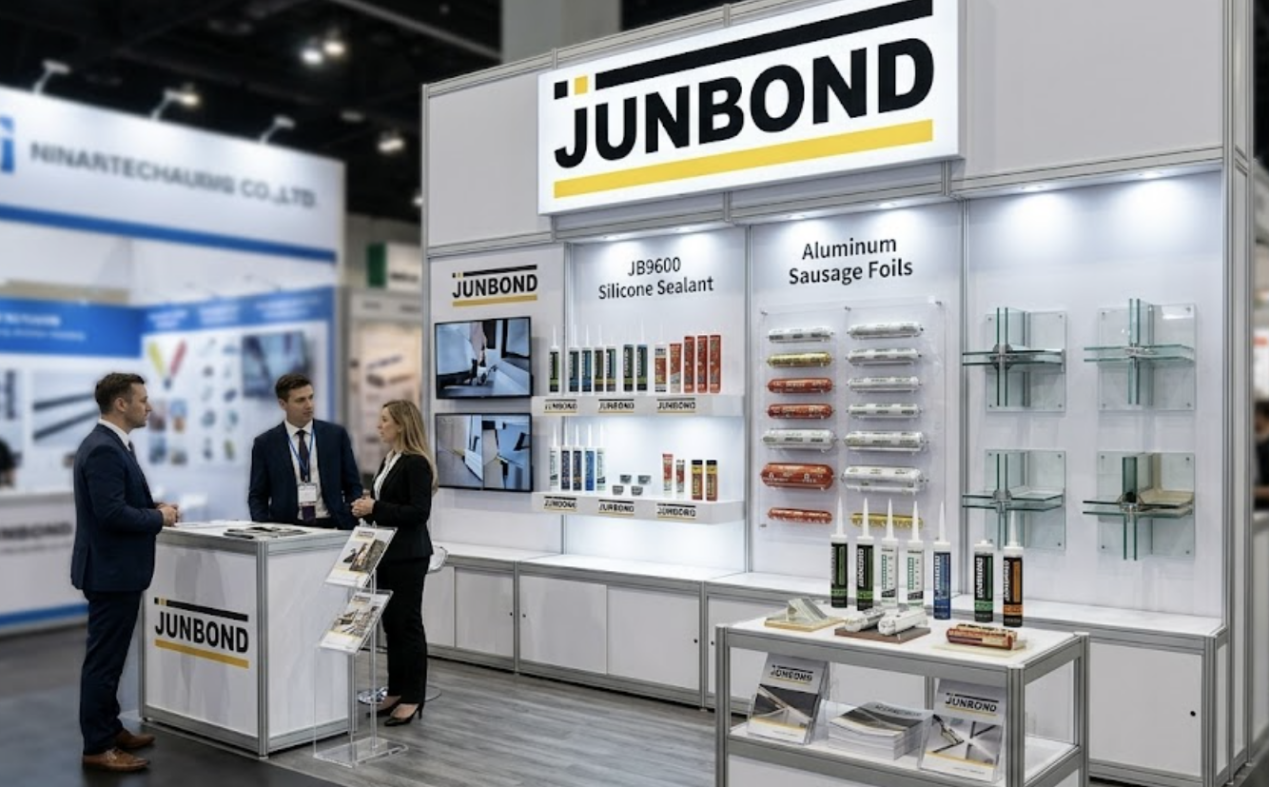
Cross-Latitude Curing Kinetics — Stabilizing Acetoxy Cross-Linking Across Extreme Climatic Zones
The moisture-curable condensation mechanism of premium acetoxy silicone relies heavily on ambient atmospheric water vapor to initiate cross-linking. When exposed to air, the specialized silane monomers react rapidly with moisture, creating a resilient elastomeric network while releasing a controlled amount of acetic acid byproduct. However, international projects expose these materials to completely opposite environmental conditions. For instance, coastal construction regions near Guangzhou experience extreme relative humidity, often exceeding eighty percent during peak building seasons. This excessive moisture accelerates the external skin-forming speed drastically. Conversely, desert environments across the Middle East present hyper-arid conditions with relative humidity dropping below ten percent. In these dry zones, the lack of atmospheric moisture can delay deep-section curing, which threatens to disrupt automated glass assembly lines.
To overcome these geographical discrepancies, advanced formulation design must carefully regulate the evaporation kinetics of the acid byproduct. If the outer surface skins over too quickly in humid environments, it can trap volatile components inside the joint cavity. This entrapment creates internal stress cells that weaken the long-term cohesive properties of the silicone bead. Therefore, the formulation must maintain a balanced reaction profile across shifting temperature and humidity levels. Managing this stabilization requires ultra-pure raw materials and precise catalyst balances. When engineers optimize these kinetics, installation crews can handle glazed units much sooner without risking joint distortion. This predictable handling speed remains a top priority for high-volume glass processing plants that operate tight shipping schedules. Temperature spikes alter the physical behavior of un-crosslinked monomers during application, meaning chemical engineers must adjust the thixotropic behavior to ensure smooth extrusion.
Radical Invalidation — Engineering High-Exposure UV Resistance for Arid Desert Architectural Frontiers
Architectural facades in equatorial and desert regions face some of the highest ultraviolet radiation levels on earth. Intense solar irradiance initiates photolytic degradation pathways in standard polymer compounds, breaking down weak chemical bonds and causing premature failure. This ultraviolet assault manifests as surface cracking, severe discoloration, and an eventual loss of structural elasticity. When a glazing sealant loses its flexibility, it can no longer absorb the continuous movement of glass panels. Consequently, the building envelope becomes vulnerable to catastrophic water leaks and air infiltration. Preventing this degradation requires advanced molecular shielding technology that neutralizes free radicals before they attack the polymer backbone.
Modern formulations integrate non-migratory ultraviolet scavengers and specialized thermal stabilizers directly into the silicone matrix. Unlike low-cost additives that migrate to the surface and wash away over time, these high-tier stabilizers remain locked within the cross-linked network. This permanent defense protects the material against continuous high-energy radiation. Additionally, these stabilizers preserve the original physical properties of the joint even during prolonged exposure to dry surface temperatures reaching eighty degrees Celsius. Color stability represents another critical aesthetic requirement for modern architectural projects. Low-tier acetoxy sealants frequently undergo severe thermal yellowing or fading when exposed to intense sunlight. To protect visual appeal, Junbond enforces strict purification standards for its white, black, and translucent color matrices. By eliminating trace metal impurities that catalyze oxidation reactions, the compound retains its pristine appearance over multi-decade lifecycles. This reliable aesthetic performance allows architects to specify clean white joints with complete confidence.
Empirical Verification Matrix — Technical Inspection Baselines for Overseas Engineering Specifiers
Overseas engineering consultants and municipal inspectors require rigorous empirical proof before approving a material for large-scale infrastructure projects. Relying on basic product descriptions is insufficient when designing high-rise structures or public transit hubs. Therefore, professional material verification relies on standard testing frameworks that simulate decades of physical stress. Key metrics include peel-adhesion testing on specific architectural substrates, tensile modulus tracking, and elastic recovery measurements. A high-performance acetoxy silicone must demonstrate a high elastic recovery percentage after experiencing prolonged mechanical tension. This resilience ensures that the joint returns to its original shape after enduring heavy wind storms.
In addition to handling mechanical movement, sealants applied in arid regions must withstand severe environmental abrasion. High-velocity winds carry sharp desert sand particles that continuously pelt the exposed joint surfaces. If the cured silicone matrix is too soft, this abrasive blasting can erode the material over time, reducing the effective seal depth. Therefore, achieving an optimal Shore A hardness rating is vital for maintaining structural cross-sections. The material must display sufficient surface toughness to resist physical erosion while retaining enough internal flexibility to accommodate joint expansion. To support these technical requirements, Junbond(Shanghai Junbond Advanced Chemicals Co., Ltd) provides comprehensive laboratory testing matrices for global engineering teams. Technicians perform exhaustive compatibility and adhesion testing on actual client-submitted substrate samples. This customized data helps project managers secure fast pre-qualification approvals from local regulatory bodies.
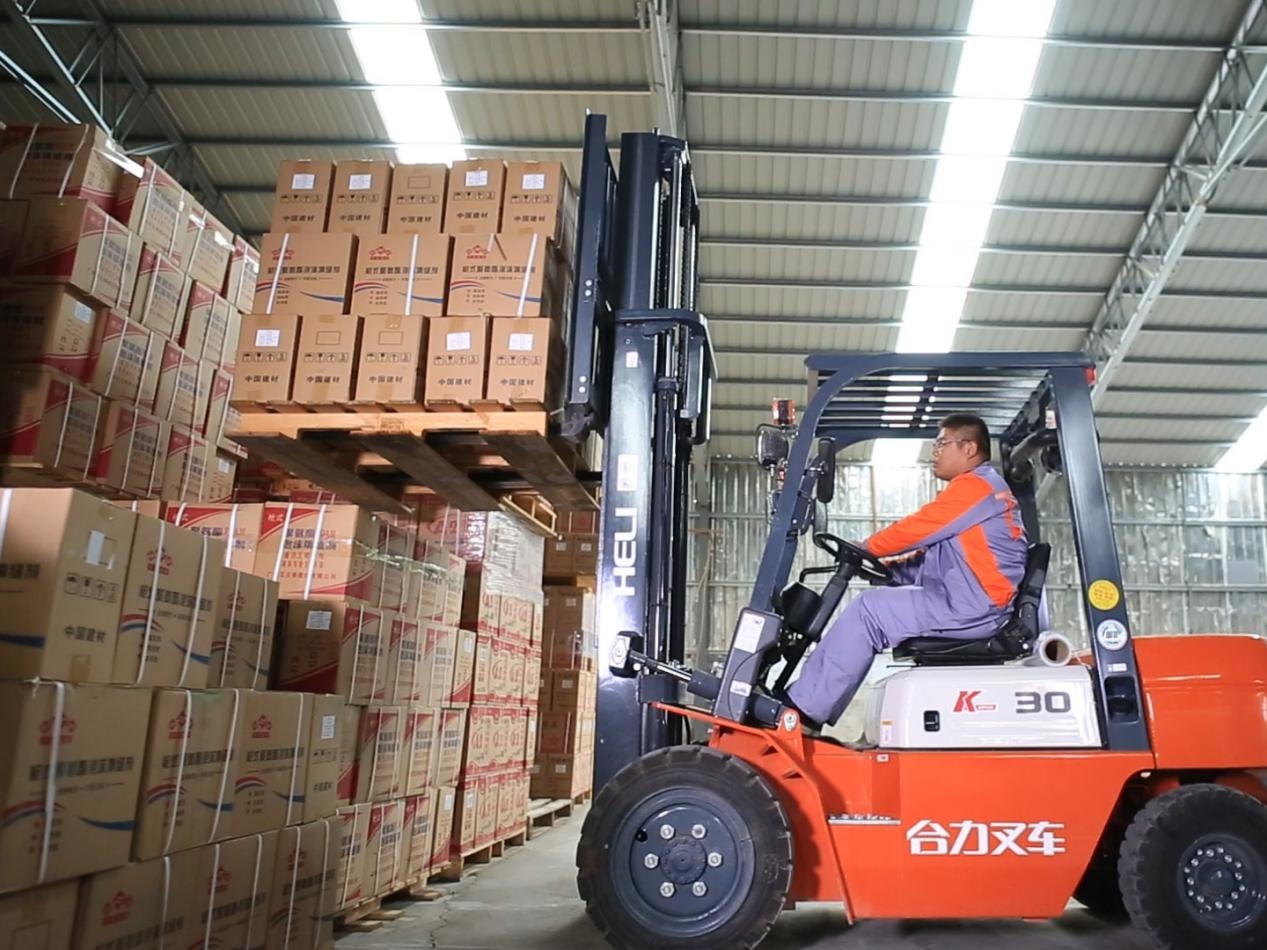
Global Trade Conduits — Bridging Multi-Exhibition Procurement Needs With Digital-Physical Hybrid Logistics
The modern B2B procurement landscape demands a seamless blend of physical trade interaction and efficient digital engagement. International buyers often initiate their supplier evaluations through large global platforms before finalizing supply agreements. For example, connecting via online Canton Fair opportunities allows procurement managers to review technical certifications and factory infrastructure remotely. Following this digital introduction, face-to-face technical consultations at events like The Big 5 Dubai allow teams to inspect physical cured samples and discuss regional project specifications. This hybrid trade model maximizes transparency and accelerates the sourcing timeline for complex engineering components.
However, securing a high-quality formulation is only effective if the manufacturer can guarantee safe long-haul maritime transport. Bulk sealant batches packed in shipping containers often endure extreme temperature shifts while crossing tropical ocean routes. To mitigate this shipping risk, premium suppliers utilize advanced multi-layer packaging engineering. Specialized high-density polyethylene cartridges and thick aluminum sausage foils prevent moisture transmission completely during extended transit periods. Furthermore, maintaining a stable supply chain requires immense industrial scale and decentralized manufacturing redundancies. To safeguard global delivery schedules, Shanghai Junbond Advanced Chemicals Co., Ltd manages seven advanced manufacturing bases across China. Automated high-speed filling lines ensure absolute batch uniformity, preventing variations in extrusion rates or cure speeds. Sourcing from an integrated hybrid manufacturer allows international buyers to execute complex developments with total supply chain confidence.
To explore their full line of fast-curing glazing materials or to coordinate substrate compatibility testing for a specific commercial development, engineering teams can access complete technical documentation directly via the primary corporate web portal at https://www.junbond.com/.
Post time: Jul-05-2026